The computer that thinks it's a toy: Sega's educational experiment
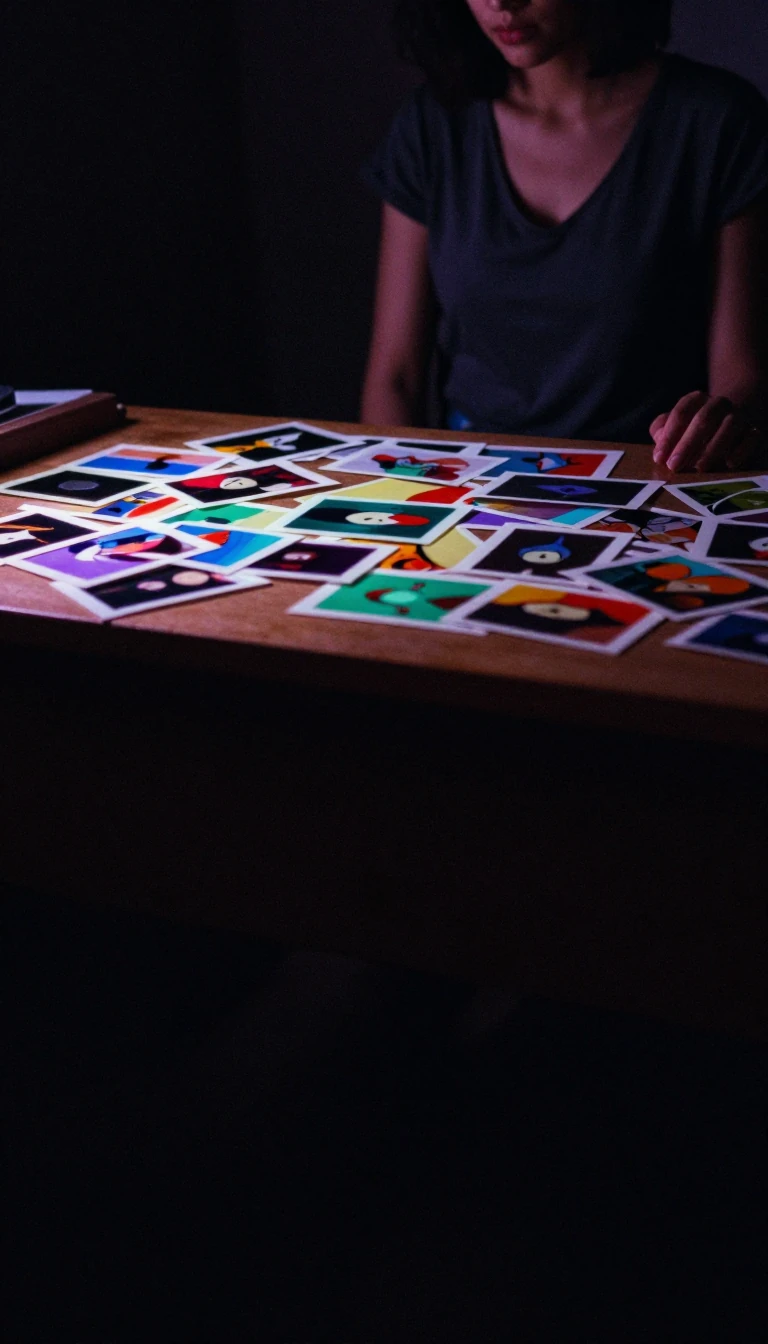
In short: In the 1990s, Sega attempted to bridge the gap between gaming and learning. Using hardware from the Genesis, the Sega Pico transformed television screens into interactive picture books, using a specialized stylus to turn young children into active participants in digital storytelling.
Released in Japan in June 1993, the Sega Pico was designed as an 'edutainment' platform for children aged 3 to 7. Unlike traditional consoles, the Pico lacked a built-in screen, requiring a connection to a television via composite video output. The experience centered around 'Storyware'—cartridges shaped like physical picture books. As players turned pages, the television display and interactive tasks would change, accompanied by music and voices. The library featured diverse characters, ranging from Sega's own Sonic the Hedgehog to Disney's The Lion King. These titles covered fundamental skills like spelling, counting, and coloring.
The hardware was a clever repurposing of existing technology. While the CPU and graphics chip were derived from the Sega Genesis, the system lacked the Genesis's FM sound chip and Zilog Z80. Instead, it utilized a Texas Instruments PSG and an NEC ADPCM chip borrowed from arcade boards like the System 16B. Interaction was driven by a 'Magic Pen' stylus and a pressure-sensitive pad, utilizing sensor technology originally developed for the 1987 arcade game World Derby. Engineers achieved this by leveraging the company's previous experience with drawing tablets and My Card cartridges. This technical foundation allowed for a highly specialized interactive experience.
The system's legacy is a mix of regional success and global struggle. While it saw continuous sales in Japan through successors like the Beena, it was discontinued in North America and Europe in early 1998. Despite this, Sega reported significant global reach, claiming 3.4 million Pico consoles and 11.2 million cartridges sold worldwide by 2005. The lineage of this educational approach continues in Japan with the recent 2024 release of the ePico. The platform's expansion reached South Korea in 1995 and China by 2002. Even after the original hardware's decline, the educational lineage persisted through the Advanced Pico Beena, which launched in August 2005.
Opens the Intellect+ feed with this card first. Swipe up for the next one.
Sources
- Summary by Intellect · source: Sega Pico
To cite this card, link to https://intellectplus.co.uk/app/culture-sega-pico.
How we source, check and correct cards: Editorial standards.
General information, not professional advice. Spotted an error? Flag the card or see corrections and complaints.
Intellect Plus is a visual educational discovery platform for exploring fascinating facts and ideas. Brain Food, Not Brain Rot. What is Intellect Plus?
Related
More in Festivals & celebrations · More in Cultures · Latest · A–Z · All topics
