Why the Shah Mosque in Isfahan features a deliberate forty-five degree architectural turn
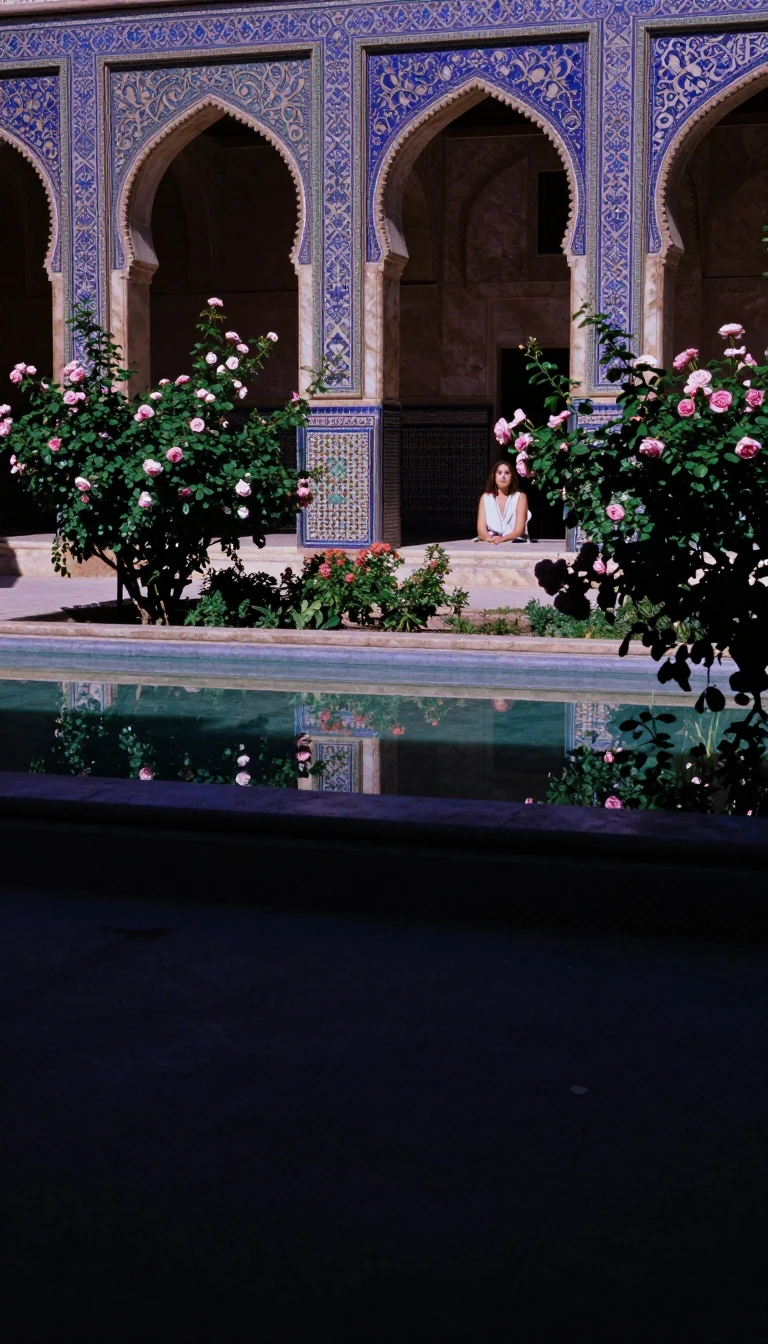
In short: Commissioned by Shah Abbas the Great in 1611, the Shah Mosque is a masterpiece of Safavid urban planning. To reconcile the city's existing grid with the sacred direction of Mecca, architects engineered a clever, asymmetrical shift in the building's layout, which also serves to highlight the mosque's massive dome.
When Shah Abbas moved his capital to Isfahan in 1598, he initiated a grand project to centralize power and distance his administration from Ottoman threats. The Shah Mosque, a centerpiece of this vision, was designed to integrate seamlessly into the Naqsh-e Jahan Square. Because the square was not aligned with the qibla, or the direction of Mecca, the mosque features a large vestibule that forces a forty-five-degree turn. Scholar Donald Wilber suggests this was a strategic choice; by placing the prayer hall on a different axis, the dome remains prominently visible from the square rather than being obscured by the entrance portal.
The construction was a massive undertaking, reportedly costing 60,000 tomans and utilizing an estimated 18 million bricks and 475,000 tiles. Architect Ali Akbar Isfahani oversaw the project, which was completed around 1630–1. To accelerate the timeline, the Shah disregarded warnings from architect Abu'l Qāsim regarding foundation stability, a decision that necessitated major repairs by 1662. The structure itself is a marvel of acoustics, with a double-shelled dome reaching 52 metres in height, designed to carry the sound of prayer throughout the vast space.
The mosque is renowned for its haft rangi, or seven-colour, tilework. This technique allowed for faster, more affordable decoration compared to traditional mosaic methods, utilizing a palette of blue, white, black, yellow, green, and beige. While contemporary observers like Jean Chardin praised the vividness of these tiles, many modern historians consider the nearby Lotfallah Mosque to be superior in aesthetic purity. Despite its historical significance and UNESCO World Heritage status, the site has faced ongoing restoration challenges and recent damage during the 2026 conflict.
Opens the Intellect+ feed with this card first. Swipe up for the next one.
Sources
- Summary by Intellect · source: Shah Mosque (Isfahan)
To cite this card, link to https://intellectplus.co.uk/app/culture-shah-mosque-isfahan.
How we source, check and correct cards: Editorial standards.
General information, not professional advice. Spotted an error? Flag the card or see corrections and complaints.
Intellect Plus is a visual educational discovery platform for exploring fascinating facts and ideas. Brain Food, Not Brain Rot. What is Intellect Plus?
Related
More in Language · More in Cultures · Latest · A–Z · All topics
