Why a Victorian nightmare about a dual personality became a global cultural shorthand
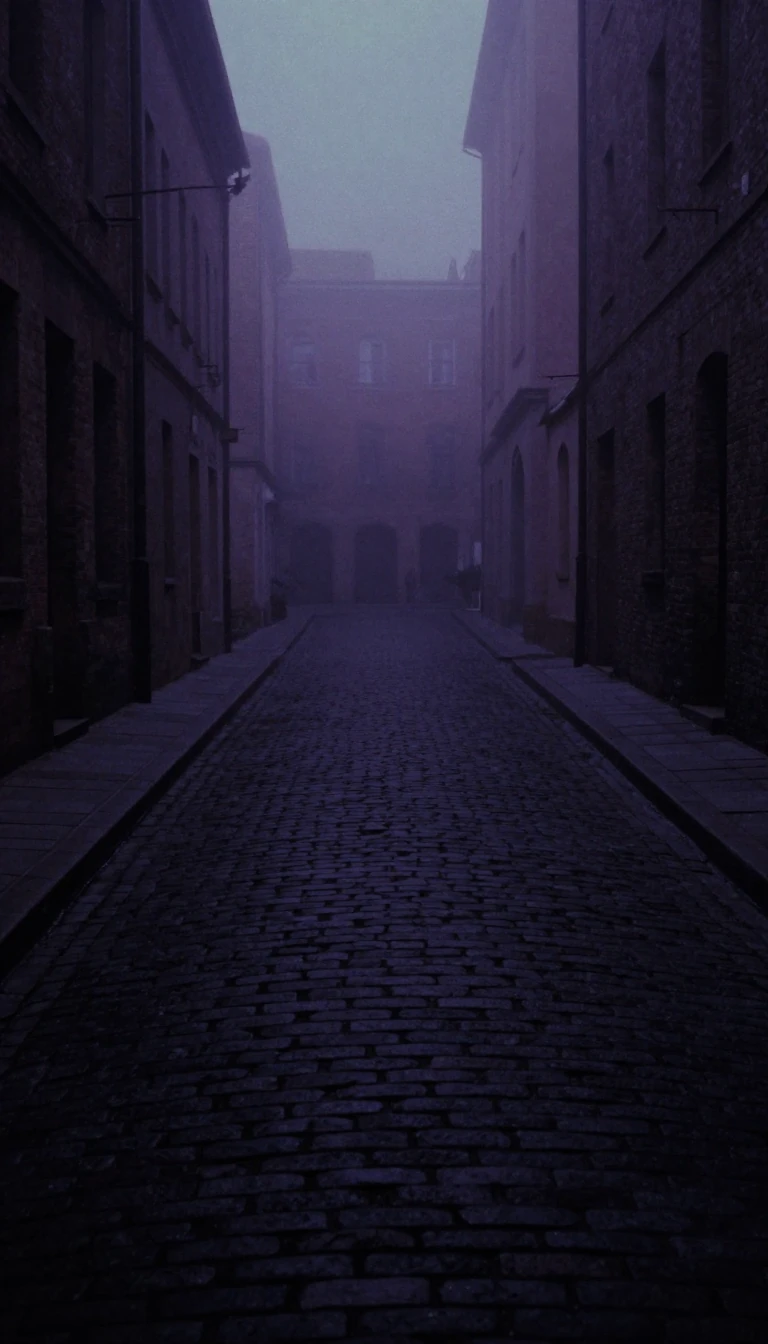
In short: Robert Louis Stevenson wrote his 1886 Gothic masterpiece in a feverish few days, fueled by dreams and a desire to explore the hidden duality of human nature. This tale of a respectable doctor and his violent alter ego remains a definitive study of the tension between outward civility and inward lust.
The novella follows Gabriel John Utterson, a lawyer investigating the connection between his friend Dr. Henry Jekyll and a murderous criminal, Edward Hyde. Stevenson, inspired by the secret life of a Scottish cabinet-maker and the trial of a French teacher who poisoned his wife, crafted an allegory that resonated deeply with Victorian anxieties. The story explores the idea that human personality is not a monolith, but a battlefield where repressed desires can manifest as a distinct, monstrous entity.
Scholars have long debated the underlying themes of the work, ranging from religious allegory and the struggle against sin to the scientific fears of the era. The publication of Charles Darwin’s work had sparked concerns about devolution, and Hyde is often interpreted as a primitive, bestial version of Jekyll. Others point to the repressive social climate of the time, suggesting that Hyde represents the forbidden urges—including homosexuality—that Victorian society forced into the shadows.
The book’s success was immediate, with nearly 40,000 copies sold within six months of its 1886 release. Its cultural impact was so profound that when stage actor Richard Mansfield performed the adaptation in 1888, he was forced to close the production amid the hysteria of the Jack the Ripper murders, as the public struggled to distinguish between the fictional monster and the real-life terror gripping London. Today, the names Jekyll and Hyde remain the standard vernacular for describing individuals who possess both a respectable public face and a hidden, darker nature.
Opens the Intellect+ feed with this card first. Swipe up for the next one.
Sources
- Summary by Intellect · source: Strange Case of Dr Jekyll and Mr Hyde
- Also: The Strange Case of Dr. Jekyll and Mr. Hyde | Summary, Characters, & Facts | Britannica
To cite this card, link to https://intellectplus.co.uk/app/culture-strange-case-of-dr-jekyll-and-mr-hyde.
How we source, check and correct cards: Editorial standards.
General information, not professional advice. Spotted an error? Flag the card or see corrections and complaints.
Intellect Plus is a visual educational discovery platform for exploring fascinating facts and ideas. Brain Food, Not Brain Rot. What is Intellect Plus?
Related
More in UK & Irish culture · More in Cultures · Latest · A–Z · All topics
