Why Olympic swimming times keep falling: from open water to high-tech pool engineering
In short: Swimming has been a staple of every modern Summer Olympics, yet the sport has evolved drastically. From racing in the Seine to the precision-engineered pools of today, athletes have benefited from innovations in lane design, timing technology, and stroke mechanics that have consistently pushed human performance to new, faster records.
The early years of Olympic swimming were defined by environmental unpredictability. Between 1896 and 1906, competitions took place in open water, including the Mediterranean Sea and the Seine. It was not until 1908 that a pool was constructed, placed uniquely within the centre of a stadium track. The 1924 Games established the standard 50-metre pool with marked lanes, a configuration that persists today. Before this, swimmers dove directly from pool walls until starting blocks were introduced in 1936.
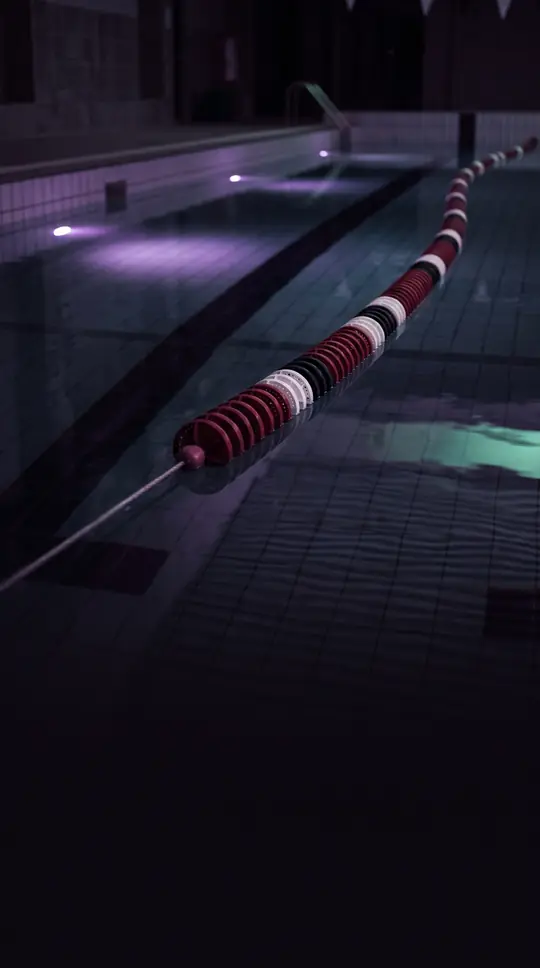
Technological and design advancements have significantly reduced drag, making pools faster. Modern facilities now incorporate specific depth requirements, energy-absorbing lane lines, and advanced gutter systems to eliminate waves and currents. These hydraulic improvements, combined with the evolution of swimwear—moving away from the drag-heavy full-body suits worn until the 1940s—have allowed for faster times. Other milestones include the introduction of electrical timing in 1912, the development of the flip-turn by the 1950s, and the approval of goggles in 1976.
The programme itself has undergone continuous refinement to achieve gender parity. While women have competed since 1912, certain events remained segregated by distance or availability for decades. For instance, the women's 4 × 200 metres freestyle relay was only added in 1996, despite the men having competed in the same event since 1912. By 2020, the programme saw significant alignment, including the addition of the 1500 metres for women and the 800 metres for men, alongside a new mixed 4 × 100 metres medley relay. Further expansion is scheduled for 2028, with the addition of 50-metre backstroke, breaststroke, and butterfly events for both genders.
Opens the Intellect+ feed with this card first. Swipe up for the next one.
Sources
- Summary by Intellect · source: Swimming at the Summer Olympics
To cite this card, link to https://intellectplus.co.uk/app/culture-swimming-at-the-summer-olympics.
How we source, check and correct cards: Editorial standards.
General information, not professional advice. Spotted an error? Flag the card or see corrections and complaints.
Intellect Plus is a visual educational discovery platform for exploring fascinating facts and ideas. Brain Food, Not Brain Rot. What is Intellect Plus?
Related
More in UK & Irish culture · More in Cultures · Latest · A–Z · All topics
