The Soviet tank that survived its own obsolescence to dominate global battlefields for decades
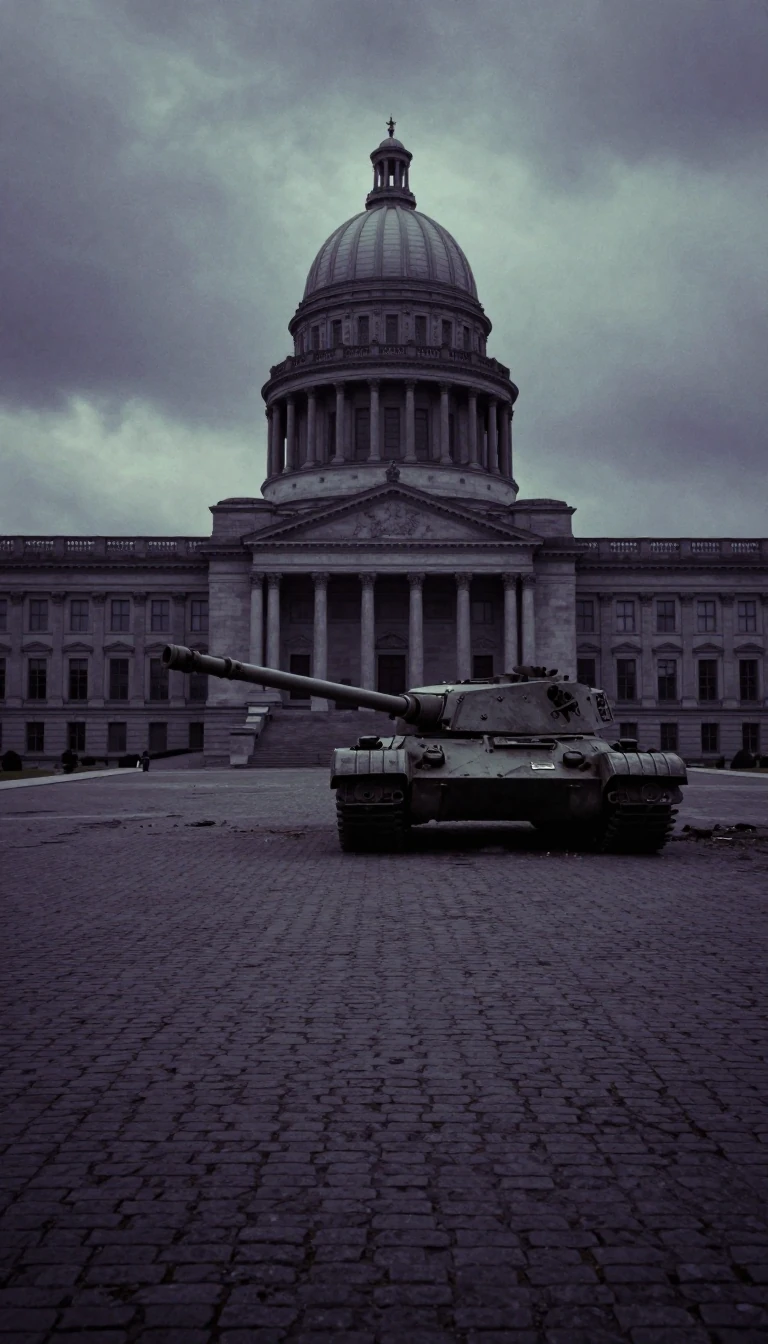
In short: Born from a bitter design rivalry and initially dismissed as a mere mobilization stopgap, the T-72 became the most prolific tank of the late Cold War. Despite being built to be cheaper and simpler than its predecessors, its modularity allowed it to remain a frontline force for over fifty years.
The T-72 emerged from a fierce institutional conflict between the Morozov design bureau in Kharkiv and the Uralvagonzavod plant in Nizhny Tagil. While the Kharkiv team pushed the technically ambitious, yet unreliable T-64, Uralvagonzavod’s Leonid Kartsev sought to build a more affordable, robust alternative. Kartsev’s initial designs were repeatedly rejected by Moscow, which favored the Kharkiv-led lobby. However, the T-64’s persistent mechanical failures and the inability of the Malyshev Factory to produce enough of its complex 5TDF engines forced the Soviet military to reconsider.
By 1971, the Soviet leadership authorized the production of Kartsev’s 'Object 172' as a mobilization model. It was designed to be easier to manufacture and maintain, utilizing a more reliable V-45 diesel engine and a simplified autoloader. Although it was initially intended only for wartime production, the T-72’s performance and the logistical nightmare of the T-64 led to its full-scale adoption. It entered service in 1974, and by the time the Soviet Union collapsed in 1991, it had become the primary tank of the Warsaw Pact.
The T-72’s longevity is defined by its adaptability. Throughout the 1980s and into the 21st century, the platform underwent continuous block improvements. These included the integration of laser rangefinders, composite armor, and reactive armor tiles to counter modern anti-tank weaponry. Even as late as 2010, Russia initiated a massive rebuild program, the T-72B3, to modernize existing reserve stocks with digital fire control and advanced guided missile systems. Today, the tank remains a global fixture, with numerous countries developing their own variants, such as the Yugoslavian M-84 and the Polish PT-91, proving that a design meant to be a temporary fix could outlast the empire that created it.
Opens the Intellect+ feed with this card first. Swipe up for the next one.
Sources
- Summary by Intellect · source: T-72
To cite this card, link to https://intellectplus.co.uk/app/culture-t-72.
How we source, check and correct cards: Editorial standards.
General information, not professional advice. Spotted an error? Flag the card or see corrections and complaints.
Intellect Plus is a visual educational discovery platform for exploring fascinating facts and ideas. Brain Food, Not Brain Rot. What is Intellect Plus?
Related
More in Traditions & customs · More in Cultures · Latest · A–Z · All topics
