The Syrian Jewish diaspora maintains a distinct cultural identity through music, liturgy, and history.
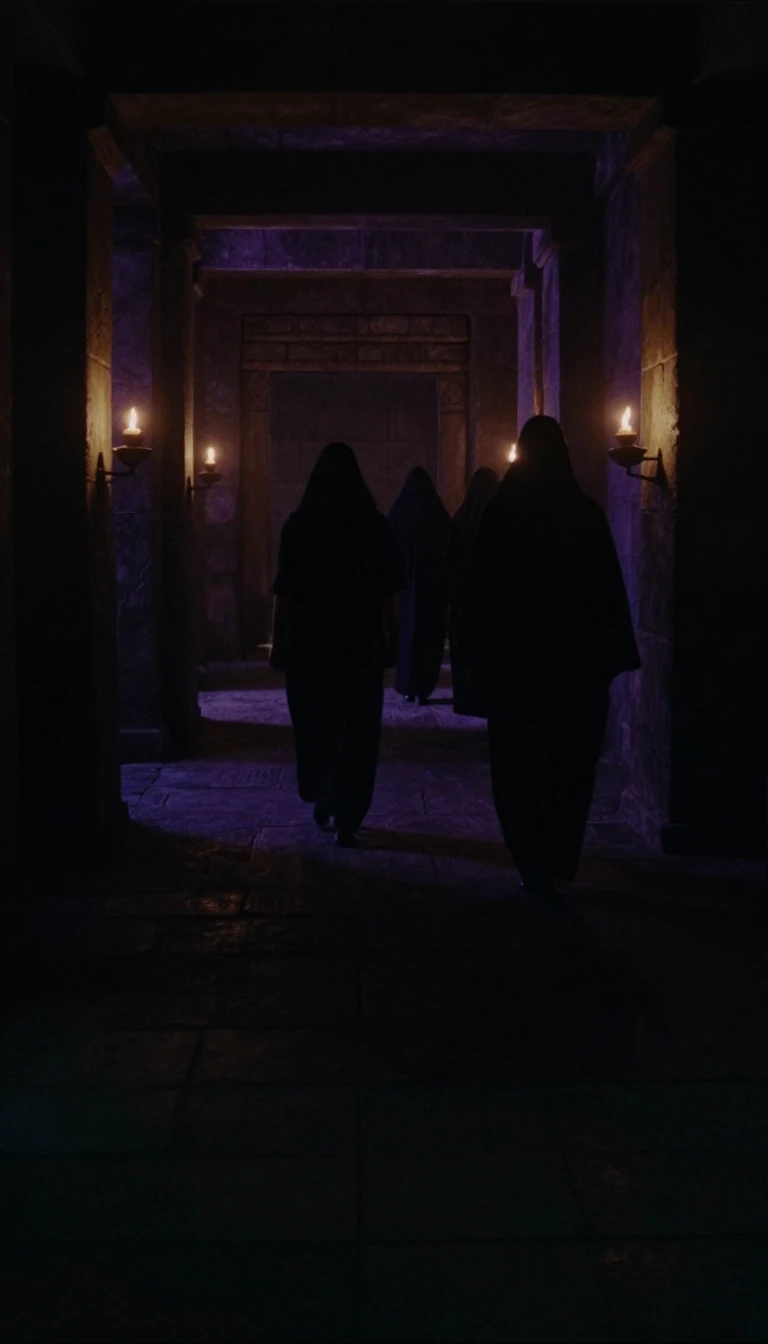
In short: Syrian Jews trace their roots to ancient Musta'arabi populations and Sephardic refugees from 1492. Despite widespread migration to Israel, the United States, and Latin America, these communities preserve unique traditions, such as the weekly maqam musical rota and specific customs that distinguish Aleppan families from their Damascene counterparts.
The Syrian Jewish community is composed of two primary historical groups: the Musta'arabi, or native Arabic-speaking Jews who inhabited the region since ancient times, and the Sephardim, who arrived following the 1492 Alhambra Decree. Over centuries, these groups integrated, though distinct sub-groups like Kurdish Jews and later European 'Señores Francos' traders added further layers to the community's fabric. Despite this intermarriage, a cultural divide between the Halabi (Aleppo) and Shami (Damascus) communities persists, often manifesting in separate organizations and a historical preference for in-group marriage.
Liturgical and musical traditions serve as vital markers of identity. Syrian prayer rites evolved from ancient Musta'arabi forms toward a 'pan-Sephardic' standard, yet they retain unique oral traditions. A defining feature is the use of pizmonim—hymns often adapted from Arabic melodies—which are sung according to a complex annual rota. This system ensures that the maqam, or musical mode, aligns with the specific mood of the weekly Torah reading or festival. Additionally, the practice of singing Baqashot, a four-hour service of petitionary hymns held in the early hours of Shabbat, remains a hallmark of the tradition, most notably at the Ades Synagogue in Jerusalem.
The 20th century brought significant upheaval, with mass emigration triggered by the 1947 anti-Jewish riots in Aleppo and subsequent political repression. While thousands fled to Israel and the Americas, the final major wave occurred in 1992, when the government of Hafez al-Assad permitted the remaining community members to leave. Today, the largest diaspora populations reside in Israel and Brooklyn, New York. Recent efforts, such as the 2025 registration of the Jewish Heritage in Syria Foundation, aim to restore neglected holy sites and address property issues, marking a new chapter for a community whose history spans from the time of King David to the globalized present.
Opens the Intellect+ feed with this card first. Swipe up for the next one.
Sources
- Summary by Intellect · source: Syrian Jews
To cite this card, link to https://intellectplus.co.uk/app/culture-syrian-jews.
How we source, check and correct cards: Editorial standards.
General information, not professional advice. Spotted an error? Flag the card or see corrections and complaints.
Intellect Plus is a visual educational discovery platform for exploring fascinating facts and ideas. Brain Food, Not Brain Rot. What is Intellect Plus?
Related
More in Traditions & customs · More in Cultures · Latest · A–Z · All topics
