How a failed pitch for village fete baking became a global television phenomenon
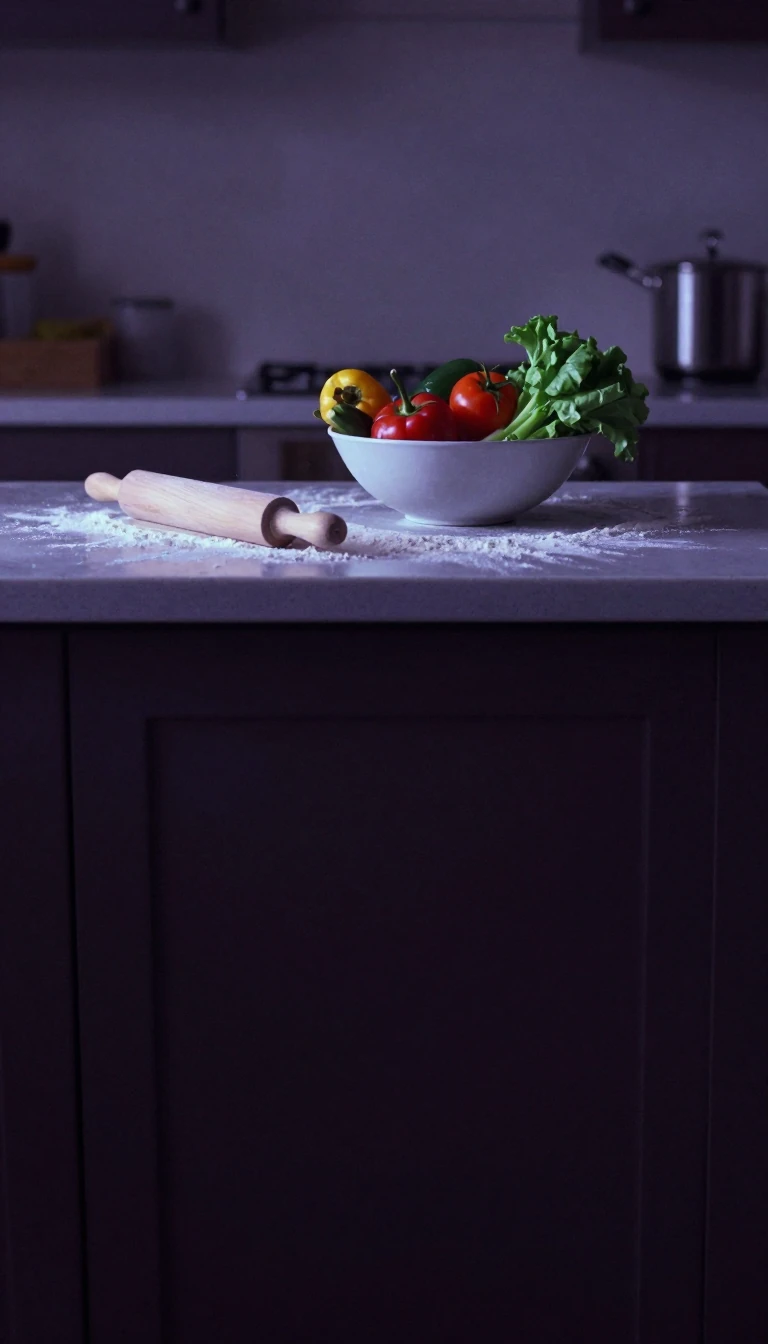
In short: Conceived as a gentle homage to old-fashioned village baking competitions, The Great British Bake Off struggled for four years to find a broadcaster. Once it launched in 2010, the show transformed from a niche BBC experiment into a cultural juggernaut that revitalized home baking across the United Kingdom and Ireland.
The program was the brainchild of producer Anna Beattie, who sought to capture the spirit of community baking after hearing about American bake-offs and classic English village fetes. Despite her vision, the concept faced significant rejection until 2009, when BBC Two controller Janice Hadlow and commissioning editor Charlotte Moore finally greenlit the project. The show’s early development focused on authenticity, selecting Mary Berry and Paul Hollywood as judges while recruiting presenters Mel Giedroyc and Sue Perkins to anchor the competition.
The format relies on a rigorous, three-part weekly challenge structure: the signature bake, the technical challenge, and the show-stopper. While the technical challenge forces bakers to rely on limited instructions and blind judging, the show-stopper emphasizes professional appearance and flavor. This high-pressure environment is filmed in a bunting-draped marquee, a setting designed to evoke the charm of a village fete. The production process is intense, often requiring up to 16 hours of filming per day over a 12-to-13-week period, though the 11th series was notably condensed to six weeks due to the COVID-19 pandemic.
The show’s evolution has been marked by significant shifts, including its move from the BBC to Channel 4 in 2017. This transition prompted a complete overhaul of the on-screen talent, with Prue Leith replacing Berry and a rotating cast of presenters like Noel Fielding, Sandi Toksvig, Matt Lucas, and Alison Hammond joining the tent. Despite these changes, the core appeal remains the amateur status of its contestants. The series has proven remarkably resilient, spawning international adaptations and numerous spin-offs, while maintaining its status as a significant cultural force that has sparked a lasting surge in the sales of baking ingredients and accessories.
Opens the Intellect+ feed with this card first. Swipe up for the next one.
Sources
- Summary by Intellect · source: The Great British Bake Off
To cite this card, link to https://intellectplus.co.uk/app/culture-the-great-british-bake-off.
How we source, check and correct cards: Editorial standards.
General information, not professional advice. Spotted an error? Flag the card or see corrections and complaints.
Intellect Plus is a visual educational discovery platform for exploring fascinating facts and ideas. Brain Food, Not Brain Rot. What is Intellect Plus?
Related
More in UK & Irish culture · More in Cultures · Latest · A–Z · All topics
