Why the title of Sherlock Holmes's second novel remains a persistent literary mystery
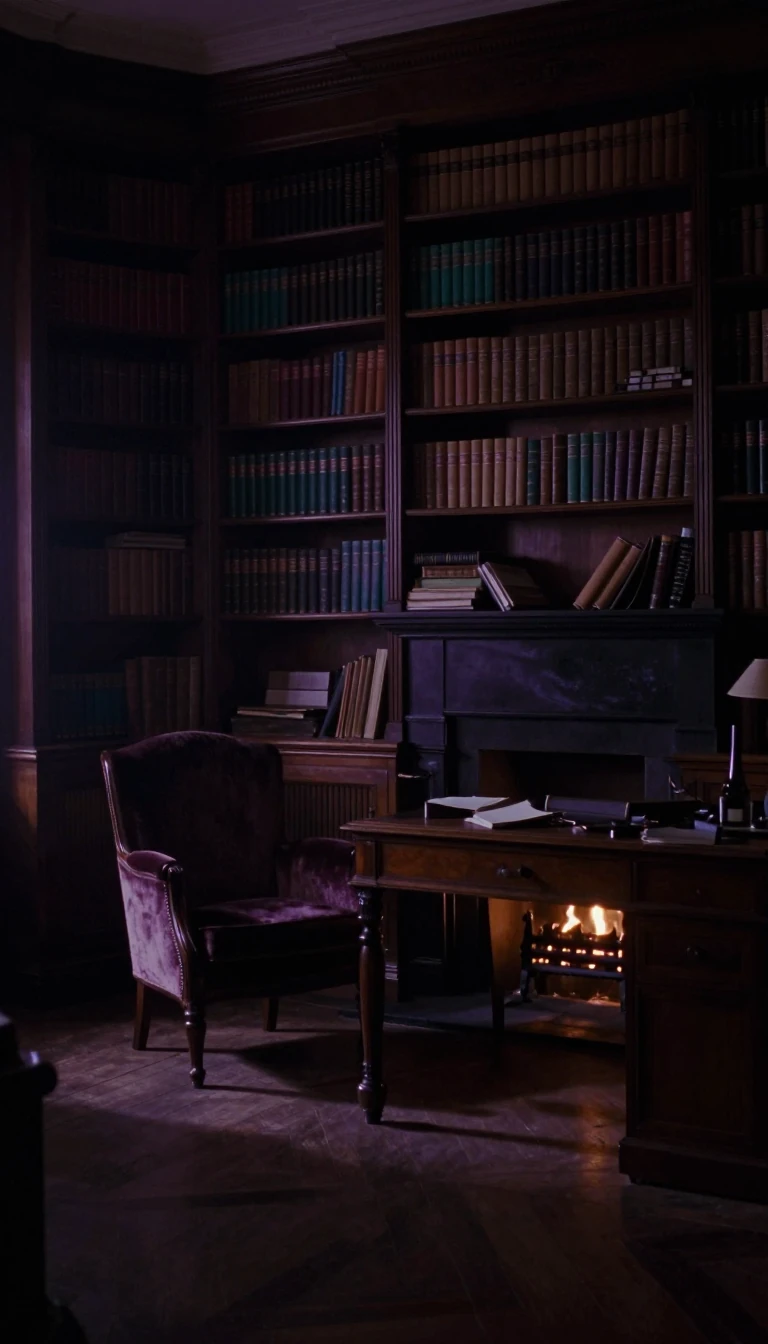
In short: Sir Arthur Conan Doyle’s 1890 detective novel is famously known by two slightly different names. While the original manuscript and the text itself consistently use a five-word title, subsequent publishers frequently dropped the second article. This minor linguistic variation has persisted across decades of editions, adaptations, and global reprints.
Commissioned during a dinner at London’s Langham Hotel in August 1889, the novel was intended to help launch a British version of Lippincott’s Monthly Magazine. Sir Arthur Conan Doyle discussed this project with editor Joseph Marshall Stoddart alongside Oscar Wilde, who would later contribute The Picture of Dorian Gray to the same publication. When the story debuted in February 1890, it appeared under a five-word title that included the second article, though it was marketed with an alternative subtitle regarding the Sholto family.
The shift toward the four-word title began with regional British serialisations and was cemented by the first book edition in October 1890. Despite this, the internal narrative of the book almost exclusively employs the five-word version when describing the mysterious symbol left by the conspirators. The character Jonathan Small, however, uses the shorter four-word phrasing twice during his climactic confession. This inconsistency has led most subsequent editions to favour the shorter title, even as the original five-word form remains embedded in the prose.
The novel’s initial reception was modest, failing to achieve the immediate success of its predecessor, A Study in Scarlet. It was not until the subsequent publication of short stories in the Strand Magazine starting in 1891 that Sherlock Holmes became a household name. Today, original copies of the 1890 magazine edition are highly sought after, commanding prices in the thousands of dollars. The story’s enduring legacy is further evidenced by a century of adaptations, ranging from early stage plays like those by John Arthur Fraser in 1901 to modern podcast serialisations in 2024.
Opens the Intellect+ feed with this card first. Swipe up for the next one.
Sources
- Summary by Intellect · source: The Sign of the Four
To cite this card, link to https://intellectplus.co.uk/app/culture-the-sign-of-the-four.
How we source, check and correct cards: Editorial standards.
General information, not professional advice. Spotted an error? Flag the card or see corrections and complaints.
Intellect Plus is a visual educational discovery platform for exploring fascinating facts and ideas. Brain Food, Not Brain Rot. What is Intellect Plus?
Related
More in Languages · More in Cultures · Latest · A–Z · All topics
