Why C.S. Lewis imagined a universe where Earth is the only silent planet.
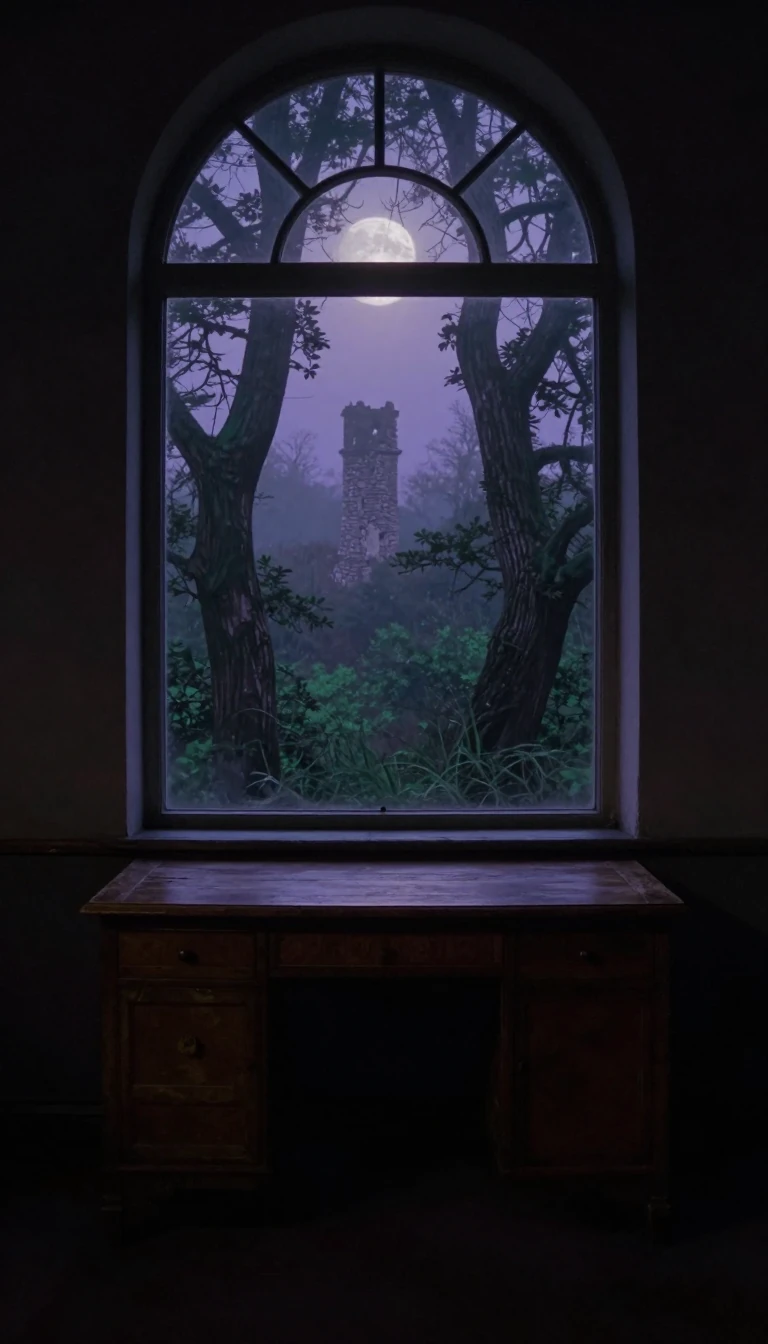
In short: In his cosmic trilogy, C.S. Lewis reimagined the solar system as a spiritual battlefield. He depicted Earth as a quarantined world, cut off from the celestial harmony of other planets by a fallen angelic governor. This series blends classical mythology, medieval theology, and science fiction to explore humanity's place among the stars.
The trilogy follows philologist Elwin Ransom across three novels published between 1938 and 1945. Ransom is abducted to Mars, visits an unspoiled Venus, and eventually confronts demonic forces on Earth. Lewis crafted this cosmology to counter the secular, materialistic outlook he found in the works of H.G. Wells and Olaf Stapledon. Instead of focusing on technological advancement, the books treat space as a realm of spiritual reality inhabited by eldila—immortal, non-organic beings that function as angels.
At the heart of the series is the concept of Thulcandra, or the Silent Planet, which is Earth. According to Lewis, the planet's presiding angel, the Bent One, rebelled against the divine authority of Maleldil. This rebellion resulted in Earth being isolated from the rest of the solar system, or the Field of Arbol. The trilogy frames this as a version of the War in Heaven, where the fallen governor of Earth seeks to corrupt humanity to prevent us from fulfilling our intended role in the cosmos.
Lewis infused the series with his deep knowledge of philology and medieval literature. He invented Old Solar, a language he described as having meanings inherent to its syllables, much like the light of a star is inherent in a drop of water. The names of his characters and entities often draw from classical and hermetic sources, such as the term Oyarsa, which he linked to the governors of celestial spheres. By weaving these academic interests into a narrative, Lewis created a unique mythology that reconciles Christian theology with the wonder of interplanetary travel.
Opens the Intellect+ feed with this card first. Swipe up for the next one.
Sources
- Summary by Intellect · source: The Space Trilogy
To cite this card, link to https://intellectplus.co.uk/app/culture-the-space-trilogy.
How we source, check and correct cards: Editorial standards.
General information, not professional advice. Spotted an error? Flag the card or see corrections and complaints.
Intellect Plus is a visual educational discovery platform for exploring fascinating facts and ideas. Brain Food, Not Brain Rot. What is Intellect Plus?
Related
More in Languages · More in Cultures · Latest · A–Z · All topics
