Founded in 1457, this German powerhouse shaped modern economics and biotechnology breakthroughs.
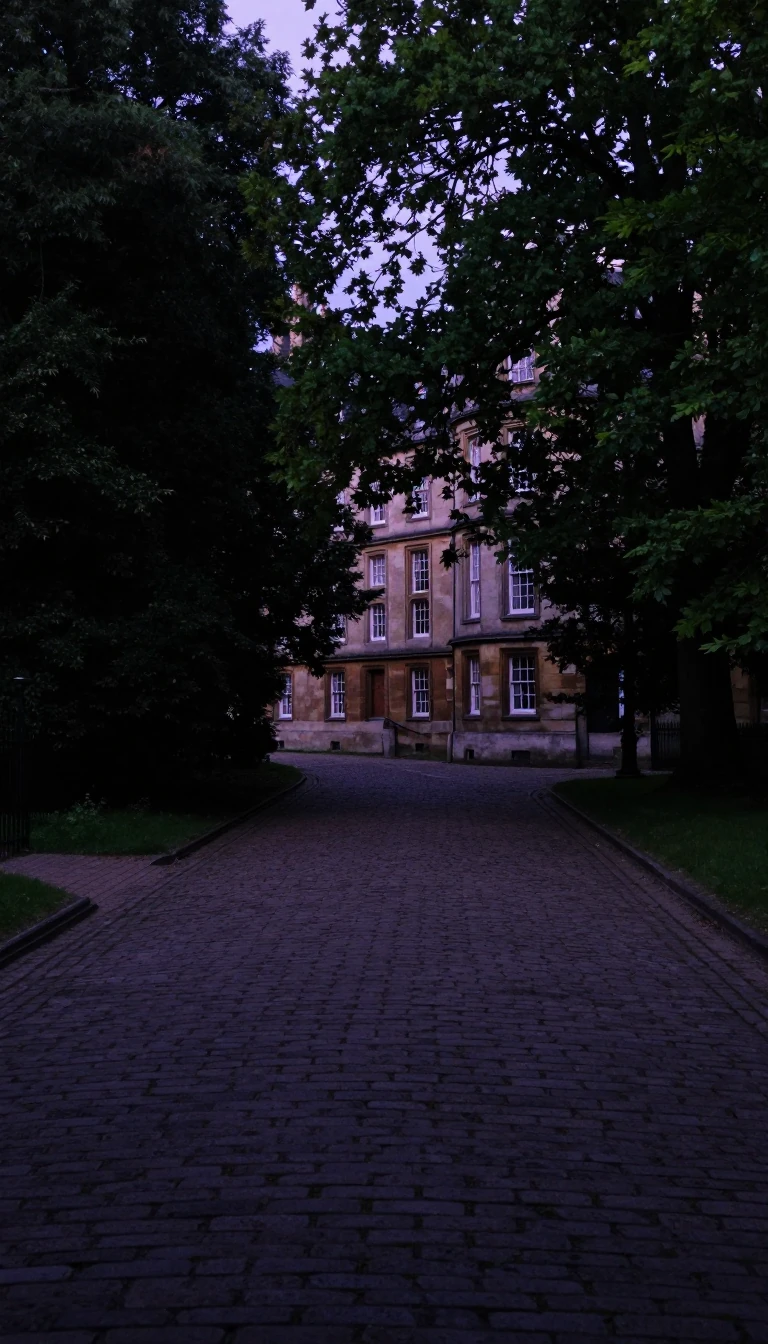
In short: The University of Freiburg is a historic institution that evolved from a medieval church-run corporation into a global research leader. From pioneering the social market economy to developing life-saving golden rice, its influence spans centuries, blending deep academic tradition with modern innovation in the heart of the Black Forest.
Established in 1457 by Archduke Albert VI of Austria, the University of Freiburg began as a Catholic institution under papal privilege. For centuries, it was deeply tied to the church, with the bishop of Basel serving as its chancellor. It was not until the late 18th century, under the reforms of Empress Maria Theresa, that the university transitioned into a governmental institution, eventually allowing Protestant professors to teach by 1784.
The university's intellectual legacy is profound. In the 20th century, it became the birthplace of ordoliberalism, a school of thought championed by economists like Walter Eucken that provided the framework for Germany's postwar social market economy. Its scientific contributions are equally significant; researchers at Freiburg developed genetically engineered golden rice between 1992 and 2000 to combat vitamin A deficiency. Furthermore, the university has been home to 22 Nobel laureates and 15 winners of the prestigious Gottfried Wilhelm Leibniz Prize.
Despite its prestige, the institution has faced turbulent periods. During the Nazi era, it underwent political alignment, resulting in the expulsion of Jewish faculty members under rector Martin Heidegger. Today, the university is a modern research hub, recognized as one of Germany's 'Universities of Excellence.' It maintains a diverse student body of approximately 21,600, with 16% coming from over 120 countries, and continues to excel in fields ranging from microsystems engineering to law and medicine.
The university's physical presence is as complex as its history, with campuses scattered throughout Freiburg. Its facilities include the historic 1911 main building and a modern, glass-fronted library opened in 2015. While it remains a public institution with low semester fees for most students, it has successfully integrated traditional disciplines with cutting-edge technology, cementing its status as a top-tier global research university.
Opens the Intellect+ feed with this card first. Swipe up for the next one.
Sources
- Summary by Intellect · source: University of Freiburg
To cite this card, link to https://intellectplus.co.uk/app/culture-university-of-freiburg.
How we source, check and correct cards: Editorial standards.
General information, not professional advice. Spotted an error? Flag the card or see corrections and complaints.
Intellect Plus is a visual educational discovery platform for exploring fascinating facts and ideas. Brain Food, Not Brain Rot. What is Intellect Plus?
Related
More in Education · More in Cultures · Latest · A–Z · All topics
