Can a 500-year-old university reconcile its dark history with its modern academic prestige?
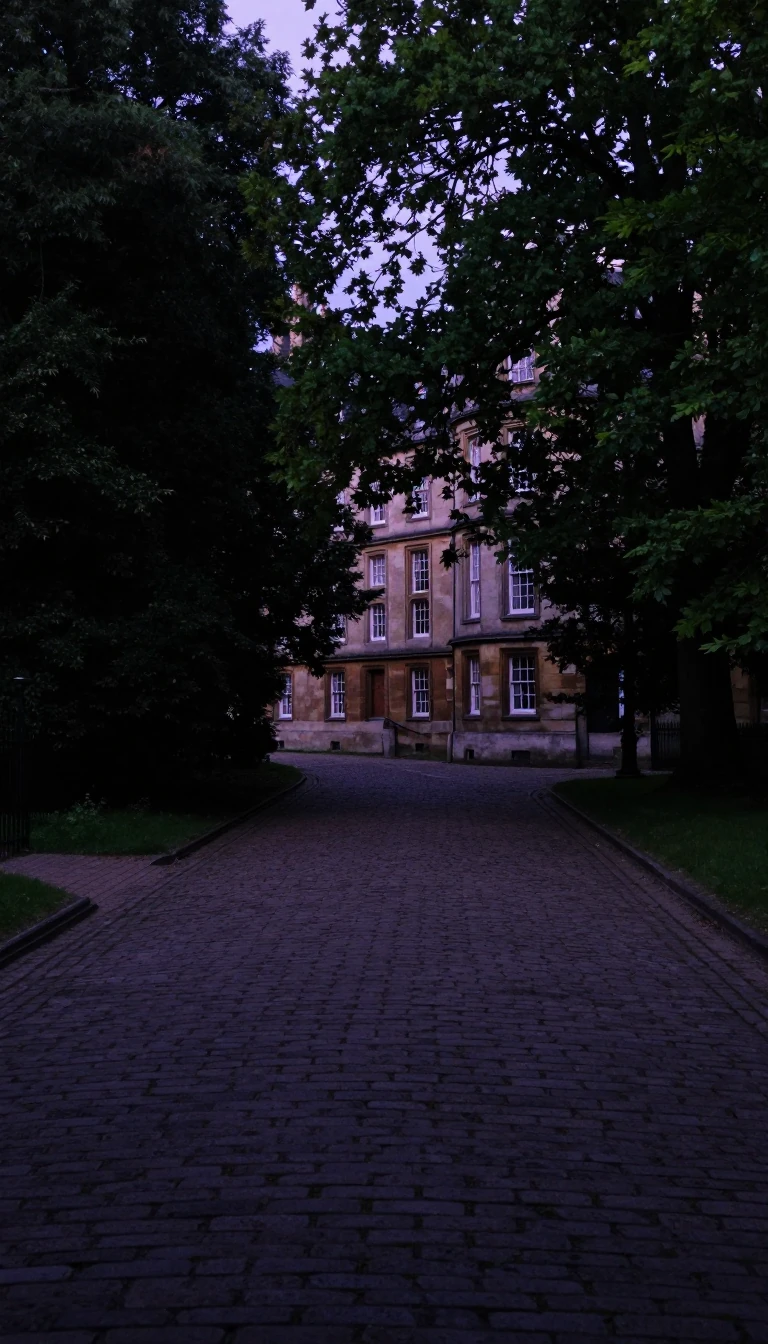
In short: Founded in 1477, the University of Tübingen is a German powerhouse of philosophy, theology, and science. Yet, it remains locked in a tense internal debate over its namesake, as students and faculty grapple with the antisemitic legacies of the rulers who defined its identity centuries ago.
Established by Count Eberhard V, the university has long been a center for intellectual innovation. It gained prominence in the 19th century through the 'Tübingen School' of biblical criticism and became the first German university to establish a natural sciences faculty in 1863. Its legacy includes the discovery of DNA by Friedrich Miescher in 1868 and foundational mRNA research that later powered COVID-19 vaccine development. Today, it is one of eleven German Excellence Universities, maintaining high global rankings and hosting unique treasures like UNESCO World Heritage-listed Ice Age art.
However, this academic prestige is shadowed by a difficult past. A 2022 senate-commissioned study revealed that founder Count Eberhard was a committed antisemite who mandated the exclusion of Jews from the city in his 1477 charter. His successor, Duke Carl Eugen, who added his name to the university in 1769, was an authoritarian ruler who profited from selling his own subjects as mercenaries. During the Third Reich, the university saw no significant resistance to National Socialism, and its hospital facilities were involved in the sterilization of at least 1,158 people.
These revelations triggered a fierce debate over the university's identity. In 2022, a motion to strip the names of Eberhard and Carl Eugen from the institution failed to reach the required two-thirds majority in the senate, with 16 members voting against the change and 15 in favor. While the university continues to lead in fields like artificial intelligence and clinical brain research, the unresolved question of its name highlights a broader struggle to reconcile historical figures with 21st-century values. The institution remains a divided space, where centuries-old traditions of theology and philosophy coexist with ongoing efforts to confront a problematic institutional heritage.
Opens the Intellect+ feed with this card first. Swipe up for the next one.
Sources
- Summary by Intellect · source: University of Tübingen
To cite this card, link to https://intellectplus.co.uk/app/culture-university-of-t-bingen.
How we source, check and correct cards: Editorial standards.
General information, not professional advice. Spotted an error? Flag the card or see corrections and complaints.
Intellect Plus is a visual educational discovery platform for exploring fascinating facts and ideas. Brain Food, Not Brain Rot. What is Intellect Plus?
Related
More in Education · More in Cultures · Latest · A–Z · All topics
