How a city of merchants finally built a world-class university against its own odds
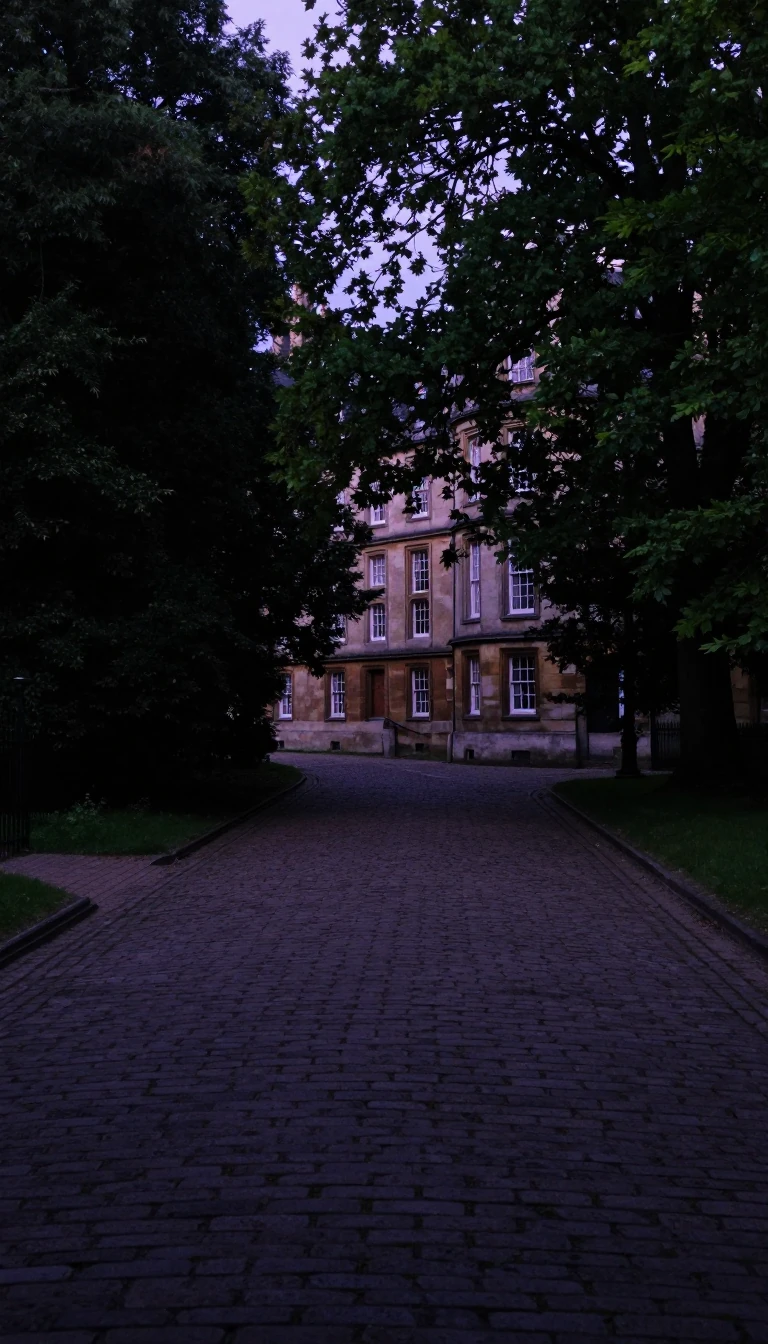
In short: Hamburg was long content as a trading hub, resisting a university for fear of costs and uppity professors. It took until 1919 for the city to finally open its doors. Today, this sprawling institution spans 180 properties, housing everything from medieval manuscripts to cutting-edge physics research centers.
For decades, Hamburg’s establishment prioritized commerce over academia. Wealthy citizens petitioned for a university throughout the early 20th century, but local leaders feared the financial burden and the social influence of intellectuals. It was not until the aftermath of the First World War that Mayor Werner von Melle and Rudolf Ross successfully pushed through legislation to merge existing institutions, including the Hamburg Colonial Institute and the General Lecture System, into a unified university on 28 March 1919.
The university’s trajectory was volatile. During the Weimar Republic, it became a hub for brilliant minds like Ernst Cassirer, who served as principal in 1929. However, the rise of the National Socialist regime in 1933 brought dark times. The institution suffered under political pressure, leading to the forced departure of roughly 50 scientists and the tragic persecution of students involved with the White Rose resistance. Post-war recovery was slow but steady, marked by significant expansion in the 1950s and 1960s, including the construction of the iconic Philosopher's Tower.
Today, the University of Hamburg is a massive, decentralized network. With over 44,000 students and 149 majors, it operates across 180 city-wide locations, from the central Rotherbaum campus to specialized facilities in Bahrenfeld and Stellingen. Recognized as a 'University of Excellence' since 2019, it balances its historical legacy—such as the 1479-established State and University Library—with modern research initiatives. It remains a complex, city-integrated entity that has evolved from a merchant-class skepticism into a globally ranked research powerhouse.
Opens the Intellect+ feed with this card first. Swipe up for the next one.
Sources
- Summary by Intellect · source: University of Hamburg
To cite this card, link to https://intellectplus.co.uk/app/culture-university-of-hamburg.
How we source, check and correct cards: Editorial standards.
General information, not professional advice. Spotted an error? Flag the card or see corrections and complaints.
Intellect Plus is a visual educational discovery platform for exploring fascinating facts and ideas. Brain Food, Not Brain Rot. What is Intellect Plus?
Related
More in Education · More in Cultures · Latest · A–Z · All topics
