The Via Dolorosa is a shifting pilgrimage route, not a fixed historical path.
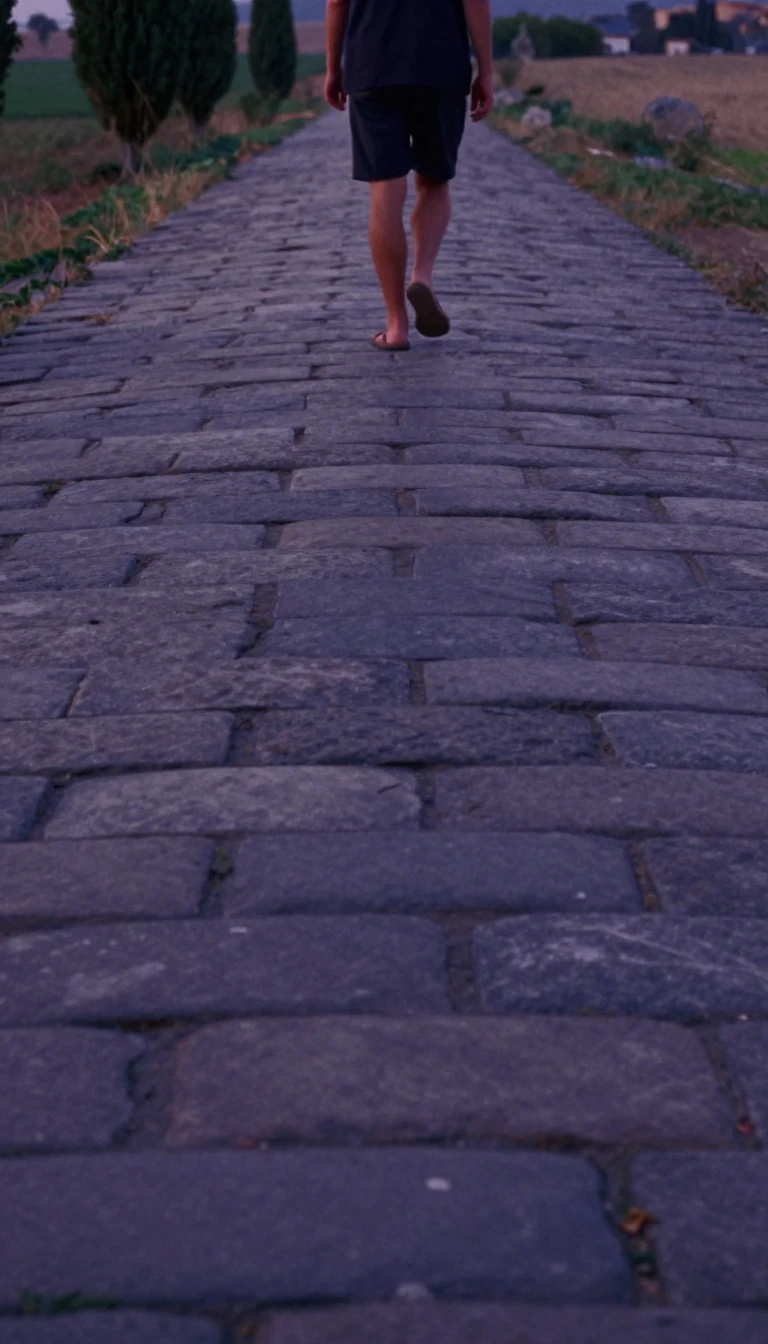
In short: The Via Dolorosa, Jerusalem’s celebrated Way of Suffering, is less a static historical record and more a centuries-long negotiation between faith and geography. While millions walk this route annually, its stations have migrated, expanded, and been reimagined by pilgrims, friars, and artists to map the Passion onto the city streets.
The current Via Dolorosa, a 600-metre path through Jerusalem’s Old City, is a relatively modern construct. While Byzantine-era pilgrims walked from the Mount of Olives to the Church of the Holy Sepulchre, they followed no specific stations. By the 8th century, the route shifted to the western hill, and it was not until the 14th century that the Franciscan Custody of the Holy Land began formalizing the path. Even then, the direction was reversed; early friars walked from the Holy Sepulchre to the House of Pilate, only adopting the current chronological direction around 1517.
The stations themselves are products of evolving devotional literature rather than archaeological certainty. Early accounts featured ephemeral sites like the House of the Evil Rich Man, while the number of stations remained inconsistent for centuries. It was not until the 19th century that general accord was reached on the positions of the first, fourth, fifth, and eighth stations. The route relies on the assumption that the Roman Praetorium stood near the Antonia Fortress, yet ancient writers like Josephus placed the Roman governor's residence at Herod's Palace on the western hill—a location supported by 2001 archaeological findings.
Modern archaeology complicates the traditional narrative further. Excavations near the Jaffa Gate in 2009 revealed a paved courtyard and barracks that align with biblical descriptions of the trial, suggesting the true path may have been on the western side of the city. Meanwhile, the traditional route’s sites, such as the 'pavement' beneath the Church of Ecce Homo, have been identified as Hadrian-era Roman forums built over an open-air pool. These discrepancies highlight how the Via Dolorosa serves as a physical manifestation of Christian meditation, where the desire to walk in the footsteps of the Passion has consistently outweighed the need for strict topographical accuracy.
Opens the Intellect+ feed with this card first. Swipe up for the next one.
Sources
- Summary by Intellect · source: Via Dolorosa
To cite this card, link to https://intellectplus.co.uk/app/culture-via-dolorosa.
How we source, check and correct cards: Editorial standards.
General information, not professional advice. Spotted an error? Flag the card or see corrections and complaints.
Intellect Plus is a visual educational discovery platform for exploring fascinating facts and ideas. Brain Food, Not Brain Rot. What is Intellect Plus?
Related
More in Education · More in Cultures · Latest · A–Z · All topics
