How a seventeenth-century Dutch school became a global powerhouse of modern scientific research
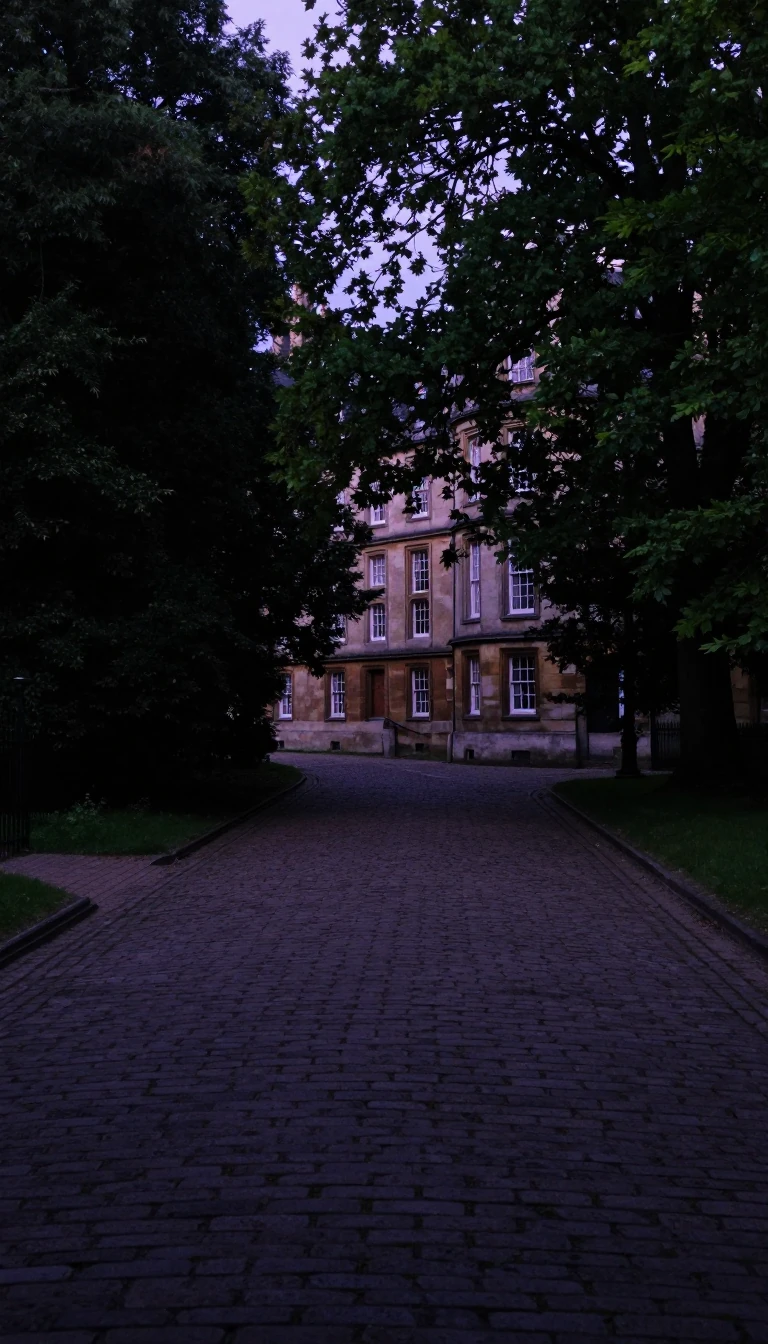
In short: Founded in 1636, Utrecht University evolved from a small theological institution into a top-tier research hub. Today, it balances a rich history in the Dutch Golden Age with cutting-edge work in artificial intelligence and life sciences, consistently ranking among the world's most influential academic and scientific institutions.
Utrecht University began as the Illustrious School of Utrecht in 1634 before gaining university status on March 26, 1636. Its early years were defined by the intellectual friction between the strict Reformed theologian Gisbertus Voetius and proponents of the new philosophy, including René Descartes, who resided in the city for several years. This period of intense debate helped establish the university as a significant contributor to the Dutch Golden Age, attracting scholars from across Europe.
The institution has weathered significant political shifts, including a temporary demotion to a secondary school by French occupying authorities in 1806. It regained its status in 1813, eventually becoming one of only three Dutch universities after the separation of Belgium in 1830. By the mid-nineteenth century, the 'Utrechtian School' of science emerged, led by figures like Franciscus Donders and Christophorus H. D. Buys Ballot. They pioneered the educational laboratory, transforming how students engaged with practical scientific learning.
Modern Utrecht University operates across seven faculties with a massive research portfolio. While it maintains a presence in the historic city centre, much of its activity has shifted to the Utrecht Science Park De Uithof since the 1960s. The university’s influence is reflected in its extensive list of laureates, including 12 Nobel Prize winners and 22 Spinoza Prize recipients. With a 2025 budget of 3 billion euros, the institution continues to lead in fields ranging from public administration to veterinary science, maintaining its status as a premier global research entity.
Opens the Intellect+ feed with this card first. Swipe up for the next one.
Sources
- Summary by Intellect · source: Utrecht University
To cite this card, link to https://intellectplus.co.uk/app/culture-utrecht-university.
How we source, check and correct cards: Editorial standards.
General information, not professional advice. Spotted an error? Flag the card or see corrections and complaints.
Intellect Plus is a visual educational discovery platform for exploring fascinating facts and ideas. Brain Food, Not Brain Rot. What is Intellect Plus?
Related
More in Education · More in Cultures · Latest · A–Z · All topics
