The Vatican Apostolic Archive is not a secret vault, but a private papal library
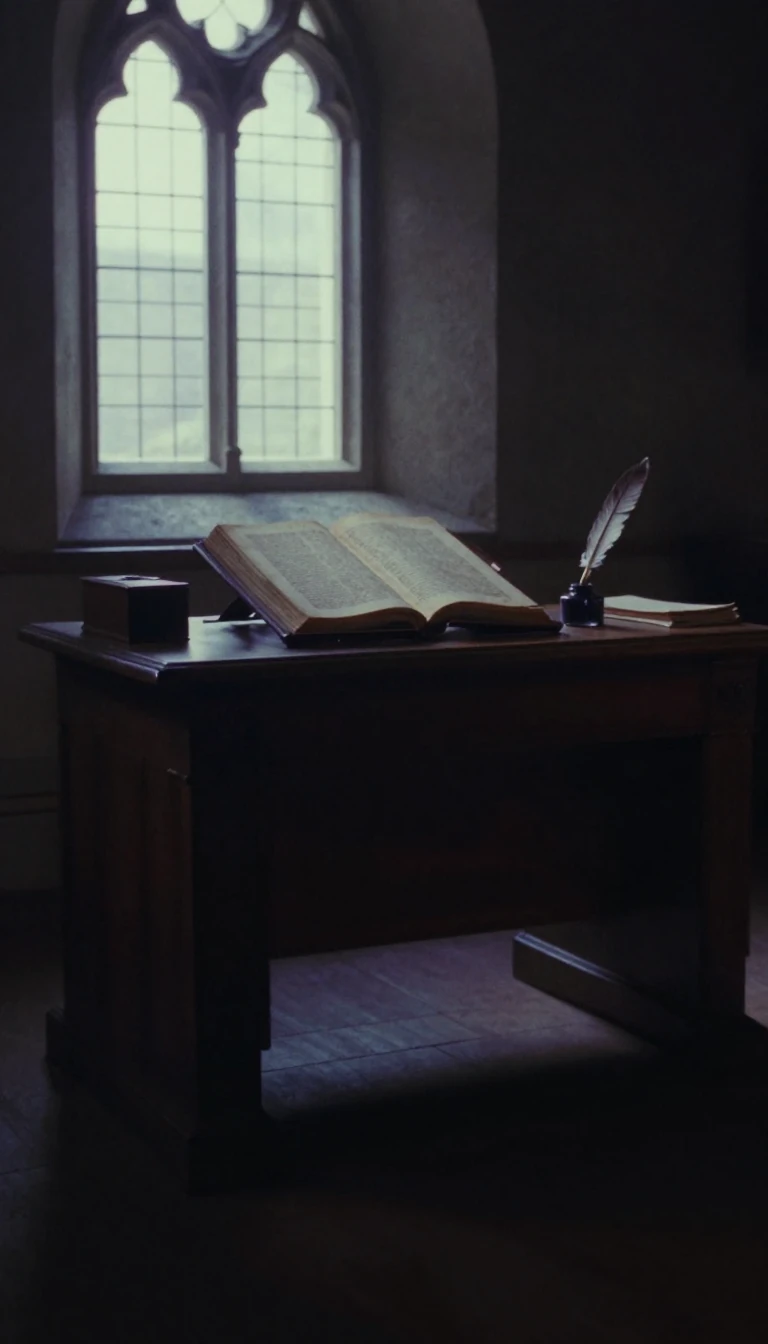
In short: For centuries, the Vatican Apostolic Archive was misidentified as a clandestine repository. In reality, the word secret historically denoted a private, esteemed position of honor. Today, this massive collection of 16 million pages serves as a critical window into global history, though strict access rules still govern its most sensitive records.
The Vatican Apostolic Archive, formerly known as the Vatican Secret Archive, houses the official acts and correspondence of the Holy See. Far from being a place of hidden conspiracies, the term secret originally referred to the archive as the personal property of the Pope, rather than the property of any specific church department. This distinction is vital for understanding its history; for much of its existence, the archive was a mobile collection that traveled with the Pope, often suffering losses during periods of upheaval, such as the 1405 sack of the Vatican or the 19th-century Napoleonic seizures.
The archive’s transition to a modern research institution began in the late 19th century under Pope Leo XIII, who opened the doors to scholars in 1881 to encourage critical, impartial historical inquiry. Today, the facility contains approximately 85 kilometers of shelving. While researchers can examine documents ranging from Michelangelo’s payment complaints to the trial records of Galileo, access remains highly regulated. Only 60 scholars are permitted entry per day, and they must adhere to strict rules, such as using only pencils and laptops while inside the reading room.
Modern access is generally restricted by pontificate, with materials typically becoming available 75 years after a reign ends. However, popes occasionally grant exceptions, such as when Pope John Paul II opened records regarding Germany to clarify the Church's relationship with the Nazi Party. In 2020, Pope Francis opened the archives of Pope Pius XII, aiming to address long-standing debates regarding his response to the Holocaust. Despite these openings, records concerning contemporary personalities and the private affairs of church figures after 1922 remain classified, ensuring that the archive continues to balance its role as a historical treasure trove with the privacy of the modern Church.
Opens the Intellect+ feed with this card first. Swipe up for the next one.
Sources
- Summary by Intellect · source: Vatican Apostolic Archive
To cite this card, link to https://intellectplus.co.uk/app/culture-vatican-apostolic-archive.
How we source, check and correct cards: Editorial standards.
General information, not professional advice. Spotted an error? Flag the card or see corrections and complaints.
Intellect Plus is a visual educational discovery platform for exploring fascinating facts and ideas. Brain Food, Not Brain Rot. What is Intellect Plus?
Related
More in Education · More in Cultures · Latest · A–Z · All topics
