How a sandy Surrey settlement became a landscape for literary giants
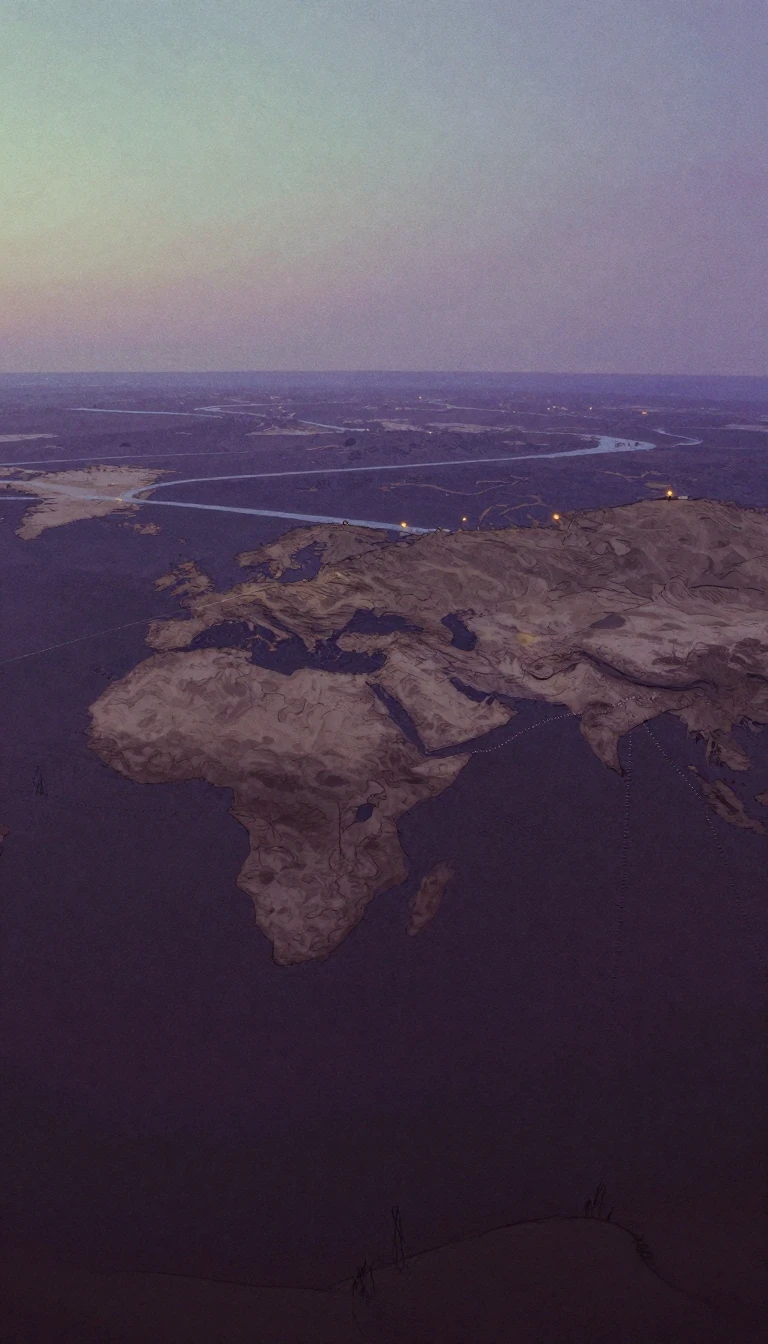
In short: From Palaeolithic flint tools to the birthplace of science fiction, Woking has evolved through centuries of shifting ownership. Once a sparsely populated region due to poor soil, it transformed from a Saxon settlement into a significant hub for transport, religion, and the imagination of H. G. Wells.
The history of Woking is etched into the very ground it sits upon. During the Palaeolithic era, humans were active in the area, leaving behind flint tools dating back roughly 13,000 years. Despite this ancient presence, the local sandy soils—specifically the Bagshot Beds—offered low fertility, making the region one of the least populated parts of Surrey as recorded in the 1086 Domesday Book. This landscape of heathland and woodland has remained a defining feature, with approximately 60% of the modern borough now protected by the Metropolitan Green Belt to prevent urban sprawl.
The town's identity has been shaped by a succession of powerful hands. For much of its history, the manor was tied to the Crown; it was inherited by Henry VIII in 1509 and later passed through various noble families like the Despensors and the Onslows. This royal connection is echoed in the ruins of Woking Palace, a former residence for Henry VII and Henry VIII. Religious history is equally prominent, evidenced by the Shah Jahan Mosque, which was completed in 1889 and stands as the first building in the United Kingdom specifically designed for Muslim worship.
In the modern era, Woking's growth was catalyzed by the mid-19th-century expansion of the railway and canal networks. The town centre we recognize today largely emerged in the 1860s after the London Necropolis Company began developing surplus land near the station. This development provided the backdrop for H. G. Wells, who lived on Maybury Road and wrote his seminal work, The War of the Worlds, in the area. Today, the borough is a diverse mix of urban centres and satellite villages like Brookwood and Mayford, maintaining a complex relationship between rapid development and environmental preservation.
Opens the Intellect+ feed with this card first. Swipe up for the next one.
Sources
- Summary by Intellect · source: Woking
To cite this card, link to https://intellectplus.co.uk/app/culture-woking.
How we source, check and correct cards: Editorial standards.
General information, not professional advice. Spotted an error? Flag the card or see corrections and complaints.
Intellect Plus is a visual educational discovery platform for exploring fascinating facts and ideas. Brain Food, Not Brain Rot. What is Intellect Plus?
Related
More in Journalism and mass media · More in Cultures · Latest · A–Z · All topics
