Wrigley Field is a living relic where ivy, wind, and history collide in Chicago.
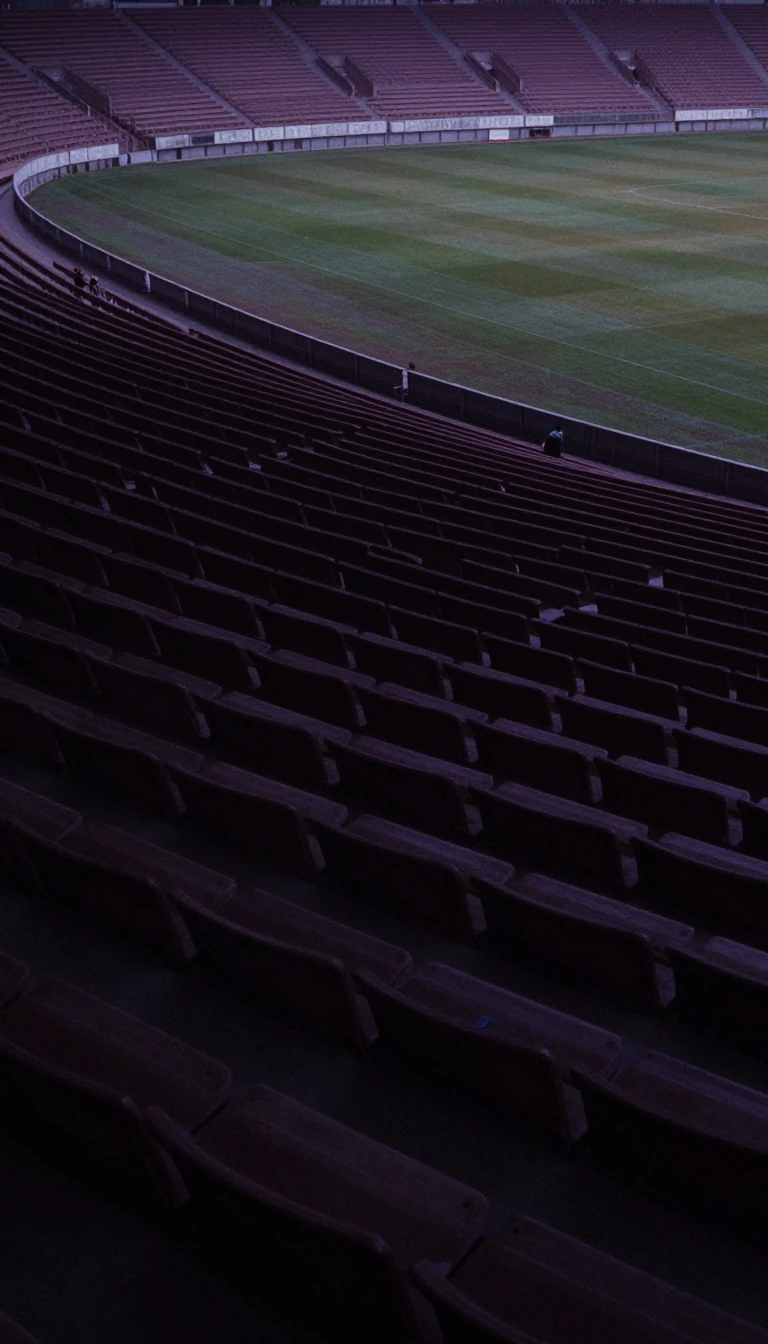
In short: Known as The Friendly Confines, this 1914 ballpark is the oldest in the National League. Beyond its iconic ivy-covered walls and hand-turned scoreboard, the stadium remains a battleground of urban development, legal disputes, and unpredictable weather that turns routine fly balls into legendary home runs or frustrating outs.
Originally built as Weeghman Park for the Federal League's Chicago Whales, the stadium became the home of the Chicago Cubs in 1916. Chewing gum magnate William Wrigley Jr. purchased the team in 1921, eventually renaming the park in 1927. The stadium is defined by its unique architectural quirks, including the 1937 addition of Boston ivy and the hand-turned steel scoreboard, which remains manually operated by staff who update scores from within the structure.
The park's character is heavily influenced by its environment. Located in a dense residential neighborhood, it famously lacks parking lots, leading to the rise of rooftop spectator clubs. These venues became a point of intense friction in the early 2000s, culminating in legal battles over sightlines and revenue sharing. The Ricketts family, who purchased the team in 2009, launched the massive $575-million '1060 Project' in 2013 to modernize the facility, moving bullpens, adding luxury clubs, and installing massive video boards, all while navigating landmark status requirements.
Wrigley Field is also a meteorological anomaly. Situated less than a mile from Lake Michigan, the stadium experiences erratic wind patterns. A 'blowing in' wind can turn home runs into outs, while a 'blowing out' wind has allowed legendary sluggers to hit balls onto distant residential rooftops. This unpredictability, combined with the 'Basket'—a chain-link fence installed in 1970 to prevent fan rushes—makes the field a unique challenge for players. Despite recent controversies, including a 2022 federal lawsuit regarding accessibility, the stadium remains a National Historic Landmark, interweaving its century-old history with the modern demands of professional baseball.
Opens the Intellect+ feed with this card first. Swipe up for the next one.
Sources
- Summary by Intellect · source: Wrigley Field
To cite this card, link to https://intellectplus.co.uk/app/culture-wrigley-field.
How we source, check and correct cards: Editorial standards.
General information, not professional advice. Spotted an error? Flag the card or see corrections and complaints.
Intellect Plus is a visual educational discovery platform for exploring fascinating facts and ideas. Brain Food, Not Brain Rot. What is Intellect Plus?
Related
More in US culture · More in Cultures · Latest · A–Z · All topics
