The deepest canyon on Earth hides secrets in the heart of the Himalayas
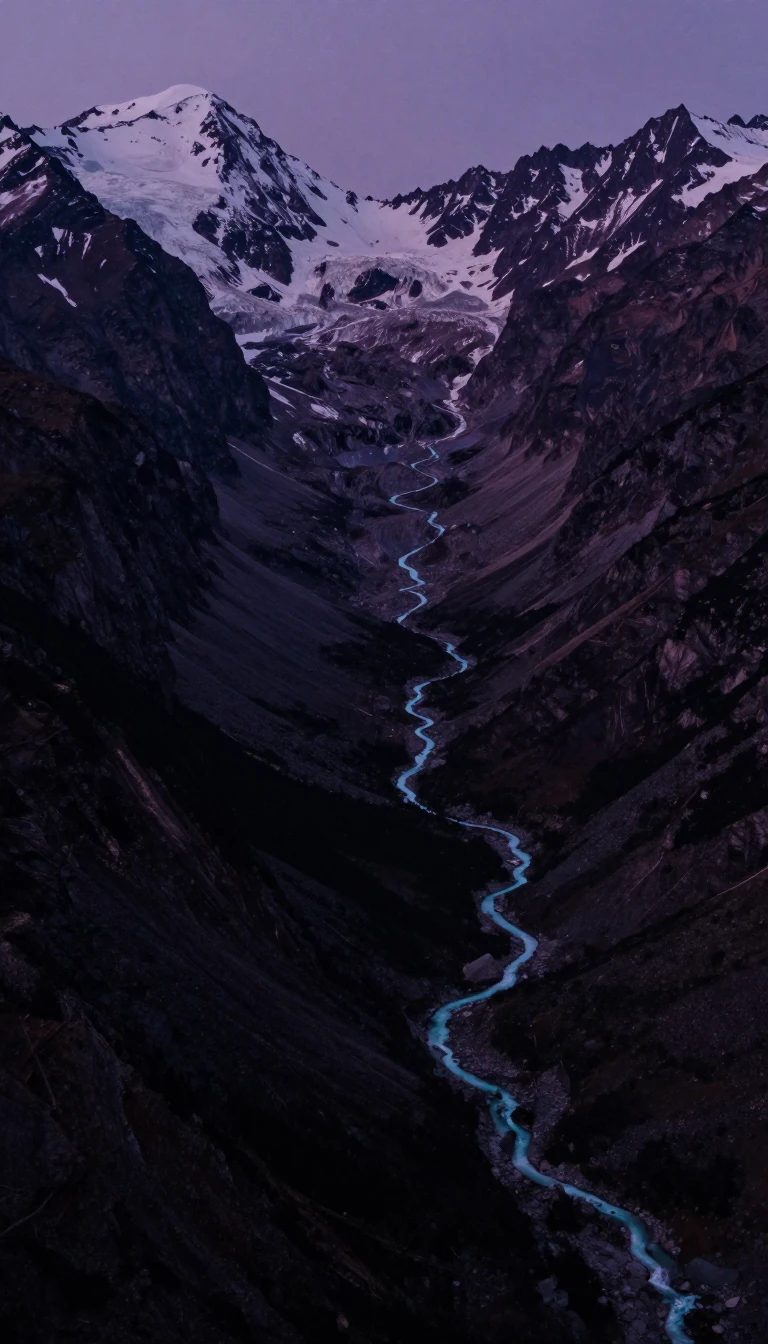
In short: The Yarlung Tsangpo Grand Canyon is a place of superlatives. It is the deepest canyon on land, reaching depths of over 6,000 meters, and its extreme, inaccessible terrain has earned it the nickname Everest of Rivers. This rugged gorge remains a frontier for explorers, scientists, and even myth-seekers.
Located in the Tibet Autonomous Region, the Yarlung Tsangpo Grand Canyon stretches over 500 kilometers, carving through the eastern Himalayas between the towering peaks of Namcha Barwa and Gyala Peri. Its unique geography creates a climate spectrum ranging from subtropical to Arctic, supporting diverse vegetation zones from tropical rainforests to alpine tundra. This isolation has preserved a largely untouched ecosystem, including rare species like the takin, and allowed for the growth of a South Tibetan cypress that, discovered in 2023, stands at 102.3 meters as Asia's tallest tree.
The canyon's history is marked by mystery and tragedy. In the 19th century, British explorers were so desperate to map the river's path that they recruited Indian pundits to navigate the impenetrable terrain. One such explorer, Kinthup, famously attempted to prove the river's connection to the Brahmaputra by releasing marked logs into the water, though his efforts were thwarted by slavery and miscommunication. It was not until 1913 that Frederick Marshman Bailey and Henry Morshead finally confirmed the river's true course. Later, in 1998, an expedition sponsored by the National Geographic Society ended in the tragic loss of kayaker Doug Gordon.
Today, the canyon is a site of both scientific wonder and geopolitical tension. While Tibetan Buddhists consider the Pemako area and its waterfalls sacred, the Chinese government has proposed the massive Medog Project. This hydroelectric plan aims to generate 50 gigawatts of electricity—more than double the output of the Three Gorges Dam—raising significant concerns about ecosystem destruction and the potential impact on water supplies for downstream nations like India and Bangladesh. Whether as a source of clean energy or a protected natural monument, the canyon remains a focal point of global interest.
Opens the Intellect+ feed with this card first. Swipe up for the next one.
Sources
- Summary by Intellect · source: Yarlung Tsangpo Grand Canyon
- Also: Yarlung Tsangpo: The Everest of Rivers - NASA Science
To cite this card, link to https://intellectplus.co.uk/app/culture-yarlung-tsangpo-grand-canyon.
How we source, check and correct cards: Editorial standards.
General information, not professional advice. Spotted an error? Flag the card or see corrections and complaints.
Intellect Plus is a visual educational discovery platform for exploring fascinating facts and ideas. Brain Food, Not Brain Rot. What is Intellect Plus?
Related
More in Languages · More in Cultures · Latest · A–Z · All topics
