A military garrison town transformed into a hub for innovation
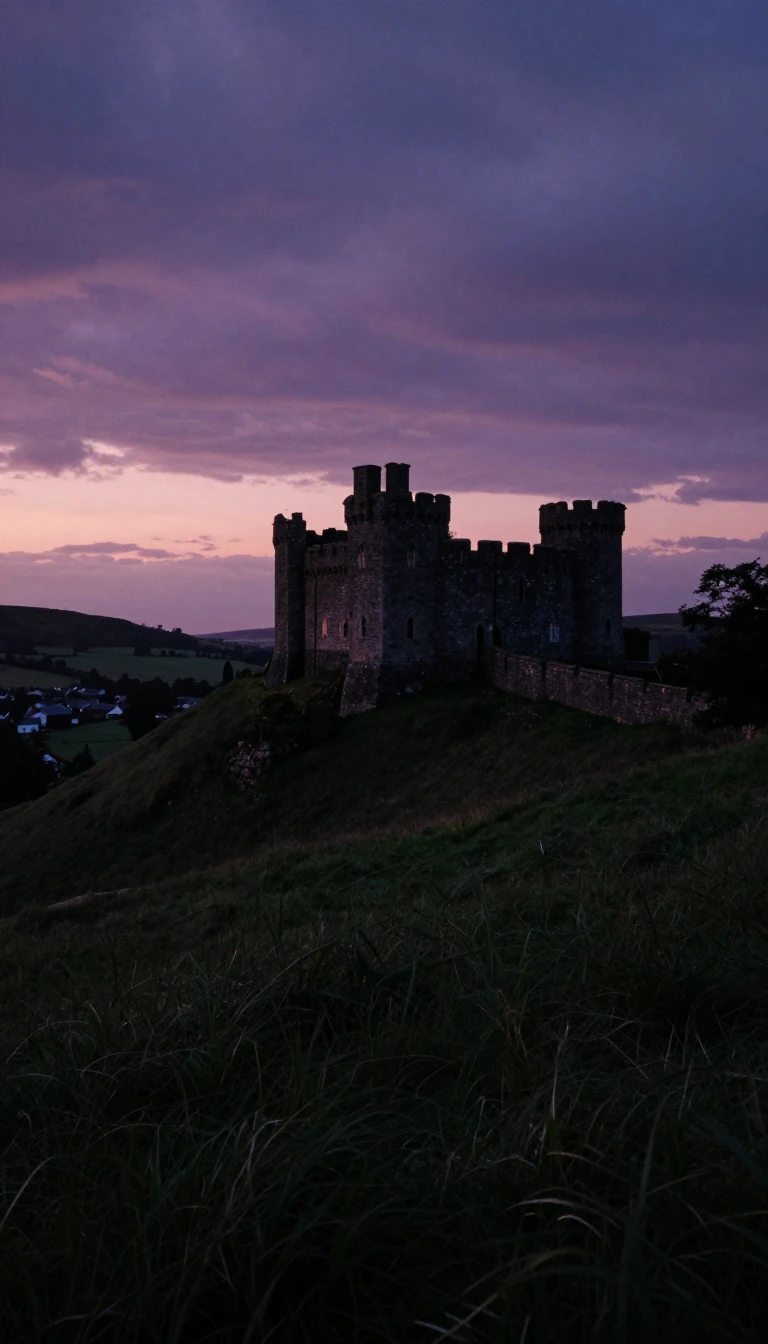
In short: Ballina, County Mayo, carries the weight of centuries—from Bronze Age megaliths to the violent echoes of revolutionary warfare. But its latest evolution is one of modern progress: a €7.5 million redevelopment project that has turned 18th-century military history into a contemporary engine for economic growth.
Ballina's identity is deeply rooted in its geography and early human activity. Situated at the mouth of the River Moy, it sits between the Ox and Nephin Mountains. The town’s earliest layers include the Dolmen of the Four Maols, a Bronze Age cist dated to approximately 2,000 BCE. Local folklore links this megalithic tomb to four brothers who murdered a 7th-century bishop, though its physical presence serves as a silent witness to millennia of settlement.
The town's formal structure was shaped by military and aristocratic interests. O'Hara, Lord Tyrawley established Ballina as a military outpost during 1723, which later saw major social unrest and land redistribution. The Belleek demesne, for instance, saw the construction of Belleek Manor between 1825 and 1831. However, the area also bore the scars of conflict; it was a focal point during the Irish Rebellion of 1798, notably where French soldiers traversed 'The Old French Road,' and later during the Irish War of Independence and Civil War, which saw targeted attacks on tax collectors and the burning of Castle Gore.
Today, Ballina is bridging its past with a high-tech future. In November 2024, the town completed a €7.5 million redevelopment of its historic military barracks, originally built in 1742. This project has created the Ballina Innovation Quarter, designed to support up to 260 total jobs (200 direct and 60 indirect). By repurposing a site once defined by colonial defense into a space for modern business, the town exemplifies a shift from military fortification to economic innovation.
The transition also reflects broader cultural shifts. While Irish was the primary language until the early 1900s, Ballina became one of the first urban areas in County Mayo to adopt English. This linguistic evolution mirrors the physical transformation of the town: moving from a site of rural potato-dependent survival and revolutionary violence toward an integrated, innovative hub.
Opens the Intellect+ feed with this card first. Swipe up for the next one.
Sources
- Summary by Intellect · source: Ballina, County Mayo
- Also: Art Institute of Chicago — Pilgrimage, Croagh Patrick County Mayo · CC0 (data); description CC BY 4.0
To cite this card, link to https://intellectplus.co.uk/app/design-ballina-county-mayo.
How we source, check and correct cards: Editorial standards.
General information, not professional advice. Spotted an error? Flag the card or see corrections and complaints.
Intellect Plus is a visual educational discovery platform for exploring fascinating facts and ideas. Brain Food, Not Brain Rot. What is Intellect Plus?
Related
More in Concrete · More in Design · Latest · A–Z · All topics
