Why was a massive European stone fortress built on the coast of West Africa?
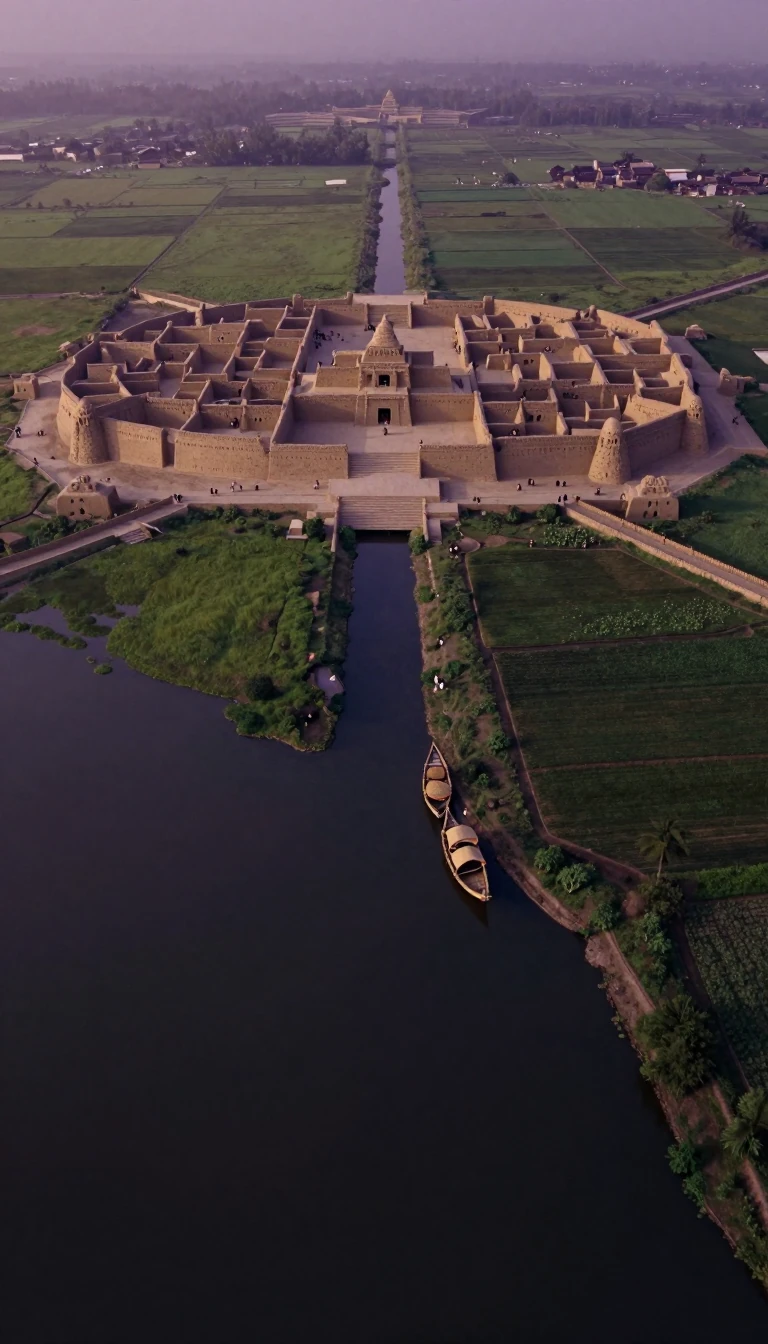
In short: In 1482, the Portuguese constructed Elmina Castle to dominate the regional gold trade. Yet, this architectural marvel—the oldest surviving European building in Sub-Saharan Africa—soon transformed into a central hub for the transatlantic slave trade, forever altering the course of global history and the lives of millions of enslaved Africans.
Elmina Castle, or Castelo de São Jorge da Mina, stands as a stark monument to the shifting priorities of European colonial powers. Initially established by the Portuguese under the command of Diogo de Azambuja, the site was chosen for its proximity to thriving gold markets. King John II of Portugal was so committed to the project that he dispatched a fleet of ten caravels and two transport ships, carrying pre-fitted materials ranging from foundation stones to roof tiles, to ensure the fort’s rapid construction.
The castle’s purpose evolved significantly over the centuries. While it began as a fortified trading post to protect gold interests, it eventually became a primary node in the triangular trade. By the 17th century, the Dutch West India Company seized the fort in 1637, continuing the trade of enslaved people until 1814. The structure reflects this dark history, serving as a holding point for captives before their forced transport across the Atlantic. The scale of this human tragedy was immense, with historians estimating that between 10 million and 12 million Africans were enslaved and transported during the era of the transatlantic trade.
Today, the castle is recognized by UNESCO as a World Heritage Site, serving as a somber reminder of the colonial era. Its history is deeply intertwined with the local Fante kingdoms, such as Fetu and Eguafo, who initially engaged in trade with the Portuguese. The site remains a powerful destination, illustrating the intersection of architectural ambition and the devastating human costs of the global slave trade that defined the 16th to 19th centuries.
The transition of control from the Portuguese to the Dutch in 1642, and eventually to the United Kingdom in 1872, highlights the competitive nature of European colonial expansion in West Africa. Following Ghana's independence in 1957, the castle transitioned from a colonial stronghold to a site of historical reflection, preserving the memory of those who passed through its gates.
Opens the Intellect+ feed with this card first. Swipe up for the next one.
Sources
- Summary by Intellect · source: Elmina Castle | History, Slavery, & Facts | Britannica
- Also: Elmina Castle
To cite this card, link to https://intellectplus.co.uk/app/design-elmina-castle.
How we source, check and correct cards: Editorial standards.
General information, not professional advice. Spotted an error? Flag the card or see corrections and complaints.
Intellect Plus is a visual educational discovery platform for exploring fascinating facts and ideas. Brain Food, Not Brain Rot. What is Intellect Plus?
Related
More in Architecture · More in Design · Latest · A–Z · All topics
