A fortress designed for luxury above and systematic terror below
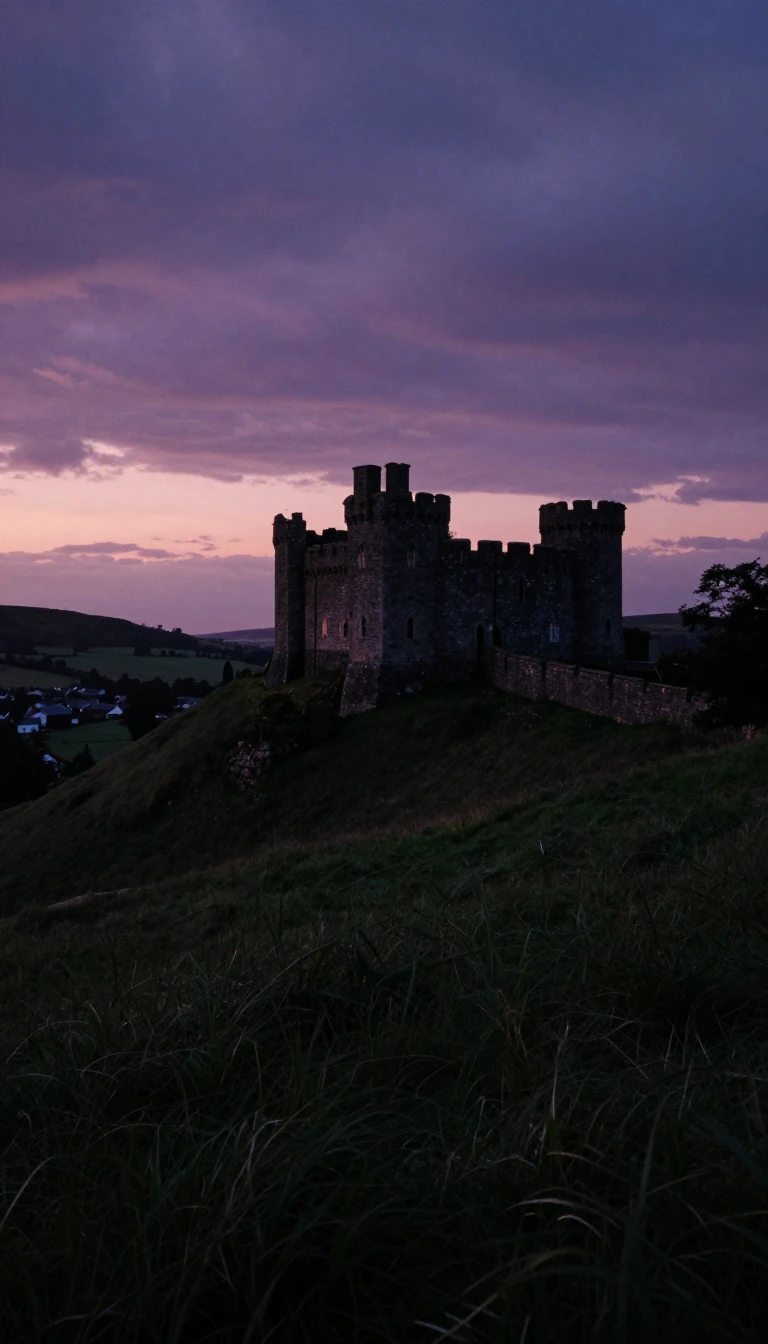
In short: Cape Coast Castle was more than a trading post; it was a machine of human commodification. While European administrators lived in relative luxury, thousands were held in subterranean dungeons cut into the very rock. It served as the final 'gate of no return' before the Atlantic crossing.
Originally established by the Portuguese in 1555 as a trading post named Cabo Corso, the site evolved through centuries of European competition. In 1653, the Swedish Africa Company constructed a timber fort named Carolusborg. The location became a strategic prize for gold, ivory, and mahogany, but its primary function shifted toward the Atlantic slave trade in the 18th century. By 1672, the Royal African Company of England secured a legal monopoly on the coast, expanding the castle into a massive commercial hub.
The architecture of the castle embodied a brutal social hierarchy. The administrative quarters provided comfortable living spaces for officials, while the basement featured large vaulted cellars cut directly into the rock foundation. Estimated to be completed by 1682, these dungeons could hold as many as one thousand enslaved people at once. French traveler Jean Barbot described this underground storage as a security measure against insurrection, highlighting how the design prioritized the safety of the garrison over the humanity of the captives.
The castle functioned as a complex economic site where 'castle slaves' (who lived and worked on-site) were distinguished from those destined for export. However, the human cost was staggering; records show that in 1683, prisoners faced starvation when local corn supplies failed. The fort also served as a judicial site of violence, where pirates like Bartholomew Roberts were condemned to death. Today, it stands as a UNESCO World Heritage site, testifying to the industrial scale of the gold and slave trades.
The history of the castle is marked by intense geopolitical rivalry. It changed hands multiple times between the Swedes, Danes, Dutch, and English. During the Second Anglo-Dutch War, the English fortifications were so formidable that Dutch Admiral Michiel de Ruyter abandoned plans to seize it, noting that a hundred men could successfully defend the position against a thousand.
Opens the Intellect+ feed with this card first. Swipe up for the next one.
Sources
- Summary by Intellect · source: Cape Coast Castle
To cite this card, link to https://intellectplus.co.uk/app/wars-cape-coast-castle.
How we source, check and correct cards: Editorial standards.
General information, not professional advice. Spotted an error? Flag the card or see corrections and complaints.
Intellect Plus is a visual educational discovery platform for exploring fascinating facts and ideas. Brain Food, Not Brain Rot. What is Intellect Plus?
Related
More in 19th-century wars · More in Wars & Conflicts · Latest · A–Z · All topics
