From Roman ruins to Manueline opulence, Portugal’s architecture tells a story of constant adaptation.
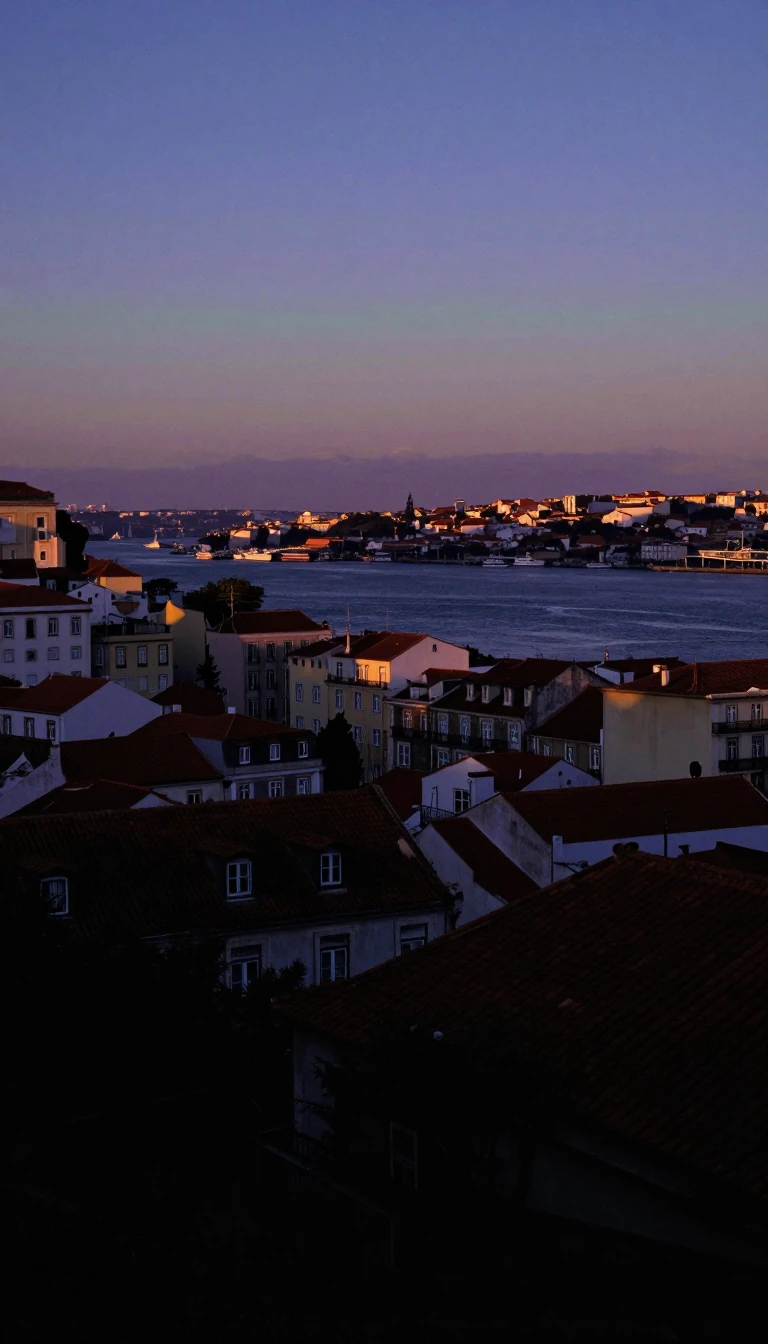
In short: Portugal’s built environment is a layered palimpsest, where ancient Roman foundations support medieval castles and the ornate, uniquely national Manueline style. Today, contemporary architects continue this dialogue, blending classical heritage with modern functionality to reshape historic urban centers like Lisbon after centuries of seismic and social transformation.
The architectural history of Portugal is defined by its ability to synthesize diverse influences into a cohesive national identity. Early Roman occupation left a lasting imprint, with remnants of villas, forts, and public infrastructure—such as the well-preserved temple in Évora and the village of Conimbriga—still visible today. These ancient foundations were later built upon by Romanesque and Gothic movements, which produced some of the country’s most significant cathedrals, including the Sé of Lisbon and the cathedral in Braga.
By the late 16th century, Portugal developed the Arte Manuelina, a luxuriantly ornamented national style that adapted various forms into a singular, decorative whole. The Jerónimos Monastery in Lisbon stands as the definitive example of this aesthetic. This penchant for ornamentation extended to the decorative arts, particularly the use of azulejos—glazed tiles—which have adorned the facades and interiors of palaces, mansions, and churches since the 16th century. Sites like the Fronteira Palace and the royal palace at Sintra showcase this mastery of blue-and-white tiled panels.
Modern Portuguese architecture has navigated the tension between preservation and progress. Following the devastating 1755 earthquake, Lisbon’s Baixa neighborhood was rebuilt in the Pombaline style, a testament to the city's resilience. In the 20th and 21st centuries, architects like Álvaro Siza Vieira have successfully integrated contemporary needs into historic fabrics, such as the reshaping of Lisbon’s Chiado area after a 1988 fire. While some modern projects, like the Expo ’98 site, have sparked controversy for their stark lines, the ongoing revival of traditional domestic architecture—from the stone dwellings of the Beiras to the low farms of the Alentejo—ensures that Portugal’s architectural evolution remains deeply rooted in its regional character.
Opens the Intellect+ feed with this card first. Swipe up for the next one.
Sources
- Summary by Intellect · source: Portugal - Architecture, Moorish, Gothic | Britannica
- Also: Portuguese architecture
To cite this card, link to https://intellectplus.co.uk/app/design-portuguese-architecture.
How we source, check and correct cards: Editorial standards.
General information, not professional advice. Spotted an error? Flag the card or see corrections and complaints.
Intellect Plus is a visual educational discovery platform for exploring fascinating facts and ideas. Brain Food, Not Brain Rot. What is Intellect Plus?
Related
More in Architecture · More in Design · Latest · A–Z · All topics
