Why Portugal's most famous tower was never meant to be on the shore
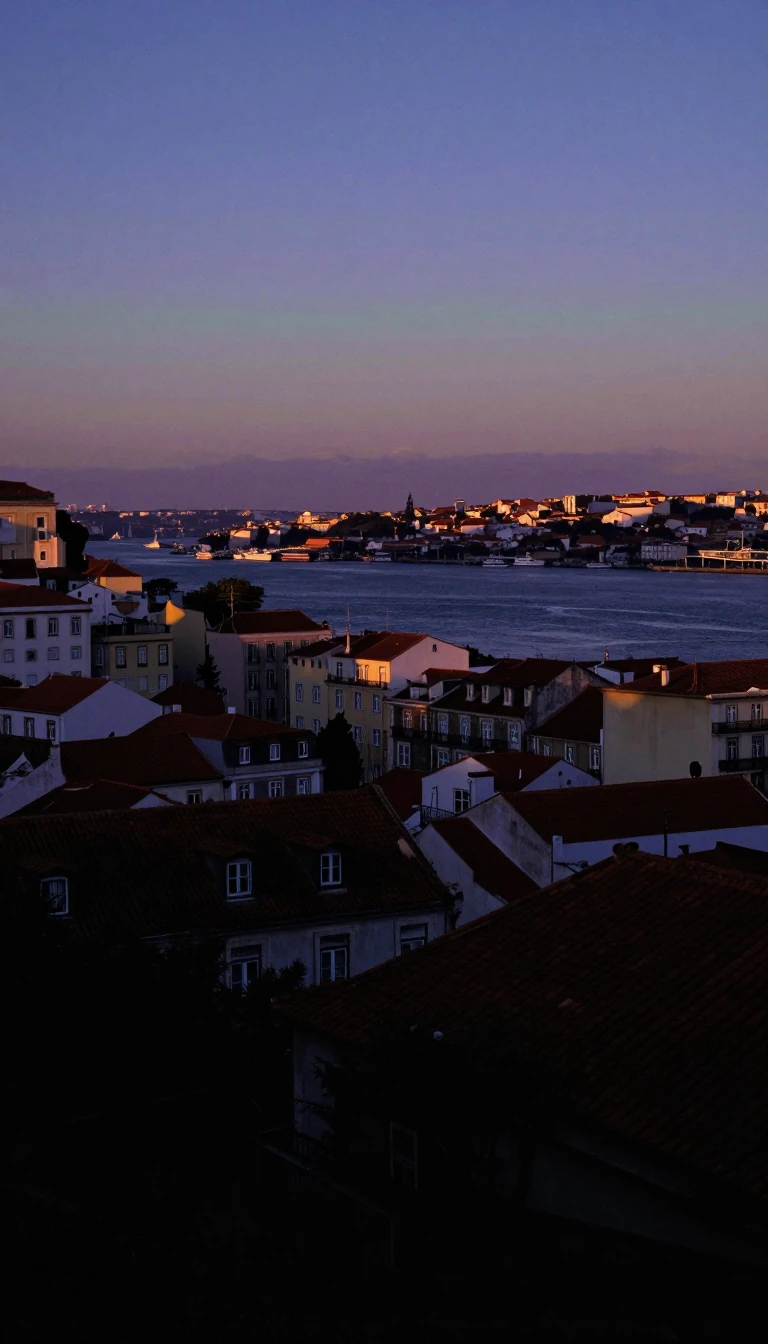
In short: The Belém Tower is an icon of Lisbon, but its location is a historical misunderstanding. While many believe the 1755 earthquake pushed it inland, the fortress was actually built on a small island in the Tagus River. Over centuries, shoreline development gradually integrated this maritime sentinel into the mainland.
Commissioned by King Manuel I to defend the mouth of the Tagus, the tower was a key component of a broader defensive system initiated by his predecessor, King John II. Construction began in the early 16th century on a basaltic rock outcrop, utilizing stone originally collected for the nearby Monastery of Santa Maria de Belém. The military architect Francisco de Arruda oversaw the project, which was completed in 1519. The structure served as a ceremonial gateway for explorers and a critical customs point, where passing vessels were required to pay taxes.
The tower is a quintessential example of the Manueline style, a Portuguese take on Late Gothic architecture defined by nautical motifs like armillary spheres, twisted ropes, and knots. These elements celebrated Portugal’s maritime power and the Age of Discoveries. The building also features Moorish-inspired watchtowers and delicate decorations, reflecting the architect's previous experience with fortresses in Morocco. Notably, the exterior includes a carved rhinoceros, widely considered the first representation of the animal in Western European art, likely inspired by a gift sent to Pope Leo X in 1515.
Beyond its aesthetic significance, the tower was a functional military asset. It was the first Portuguese fortification to feature a two-level gun emplacement, designed to protect the capital. However, its history is marked by periods of decline and repurposing. After surrendering to Spanish forces in 1580, the structure served as a prison for centuries. By the 19th century, it had fallen into such disrepair that it required extensive renovations, including the removal of later additions like the Philippine barracks. Today, it stands as a UNESCO World Heritage Site and a symbol of Portugal's early modern global reach.
Opens the Intellect+ feed with this card first. Swipe up for the next one.
Sources
- Summary by Intellect · source: Belém Tower
- Also: Wikidata — Belém Tower · CC0
To cite this card, link to https://intellectplus.co.uk/app/places-bel-m-tower.
How we source, check and correct cards: Editorial standards.
General information, not professional advice. Spotted an error? Flag the card or see corrections and complaints.
Intellect Plus is a visual educational discovery platform for exploring fascinating facts and ideas. Brain Food, Not Brain Rot. What is Intellect Plus?
Related
More in Famous landmarks · More in Countries & Cities · Latest · A–Z · All topics
