Portugal's grandest medieval church was a gift from a king to a saint
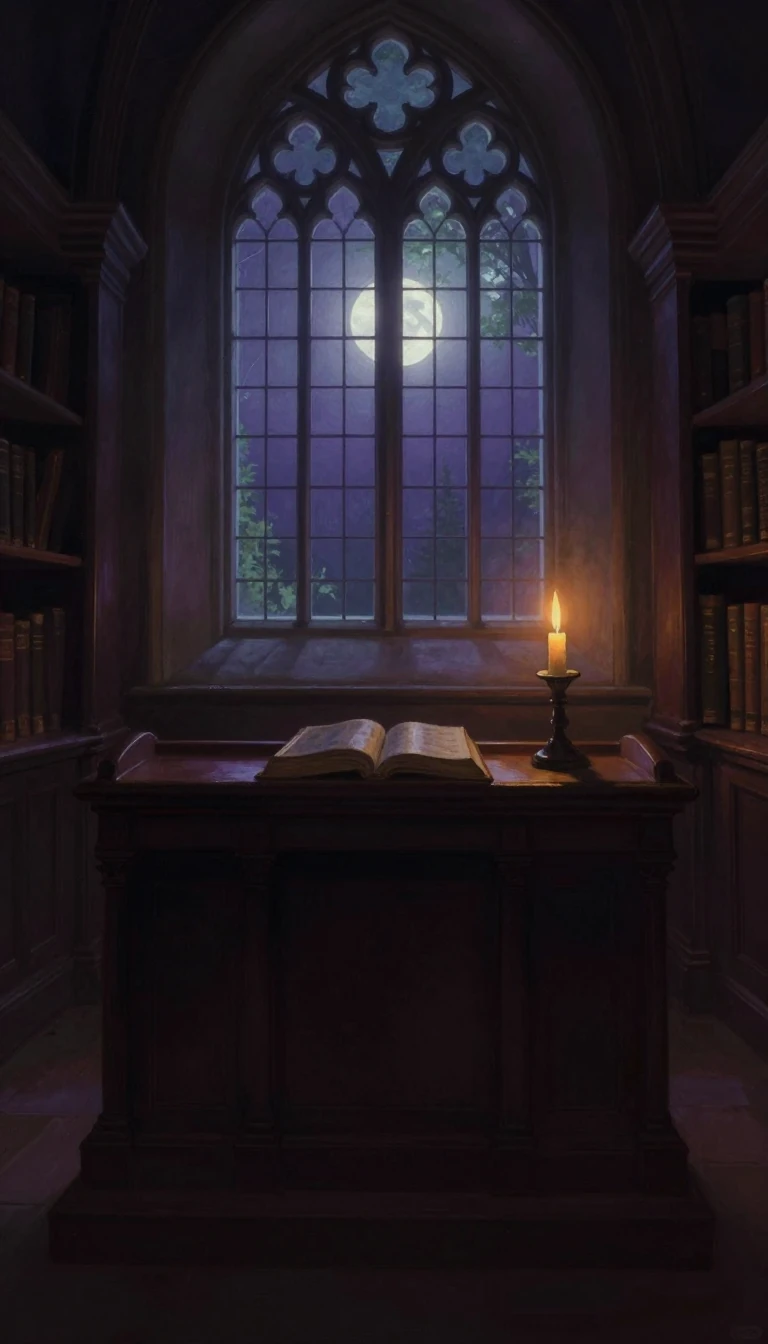
In short: Founded in 1153 by King Afonso Henriques, the Alcobaça Monastery stands as a testament to Cistercian austerity and royal ambition. This massive Gothic complex, which remains the largest church in Portugal, served as a spiritual powerhouse, a royal burial ground, and a center of medieval scholarship for seven centuries.
Established to celebrate the conquest of Santarém from the Moors, the monastery was a strategic tool for King Afonso I to consolidate his authority. By 1300, it had evolved into the most influential monastic site in the kingdom, housing nearly 1,000 monks who managed vast agricultural and commercial interests. Its architecture, heavily influenced by the Abbey of Clairvaux, introduced the Gothic style to Portugal, characterized by its verticality and light-filled, unadorned interiors that adhered to strict Cistercian principles.
The site is perhaps best known for the tragic romance of King Peter I and Inês de Castro. After his father, King Afonso IV, ordered her assassination in 1355, Peter later commissioned two elaborate Gothic tombs for them within the transept. These monuments, featuring intricate stone carvings of biblical scenes and the couple's own lives, remain among the finest examples of medieval sculpture in the country. The monastery also houses the Royal Pantheon, where earlier monarchs and their queens, such as Urraca of Castile, were laid to rest in Romanesque and neo-Gothic settings.
The monastery's history was marked by both creation and destruction. While it survived the 1755 Lisbon earthquake with minimal damage, it suffered significantly during the Peninsular War when French troops looted its legendary library and defaced its inner decorations. Following the dissolution of religious orders in 1834, the monks departed, leaving behind a legacy of craftsmanship, including 18th-century clay sculptures and azulejo tiles. Today, the site is recognized as a UNESCO World Heritage site, preserving a unique blend of Gothic, Manueline, and Baroque architectural layers that span eight centuries of Portuguese history.
Opens the Intellect+ feed with this card first. Swipe up for the next one.
Sources
- Summary by Intellect · source: Alcobaça Monastery
- Also: Wikidata — Alcobaça Monastery · CC0
- Also: Wikidata — Alcobaça Monastery [Num323661] · CC0
To cite this card, link to https://intellectplus.co.uk/app/places-alcoba-a-monastery.
How we source, check and correct cards: Editorial standards.
General information, not professional advice. Spotted an error? Flag the card or see corrections and complaints.
Intellect Plus is a visual educational discovery platform for exploring fascinating facts and ideas. Brain Food, Not Brain Rot. What is Intellect Plus?
Related
More in World Heritage Sites · More in Countries & Cities · Latest · A–Z · All topics
