How a Parisian flea became a musical sensation in a 28 million euro production
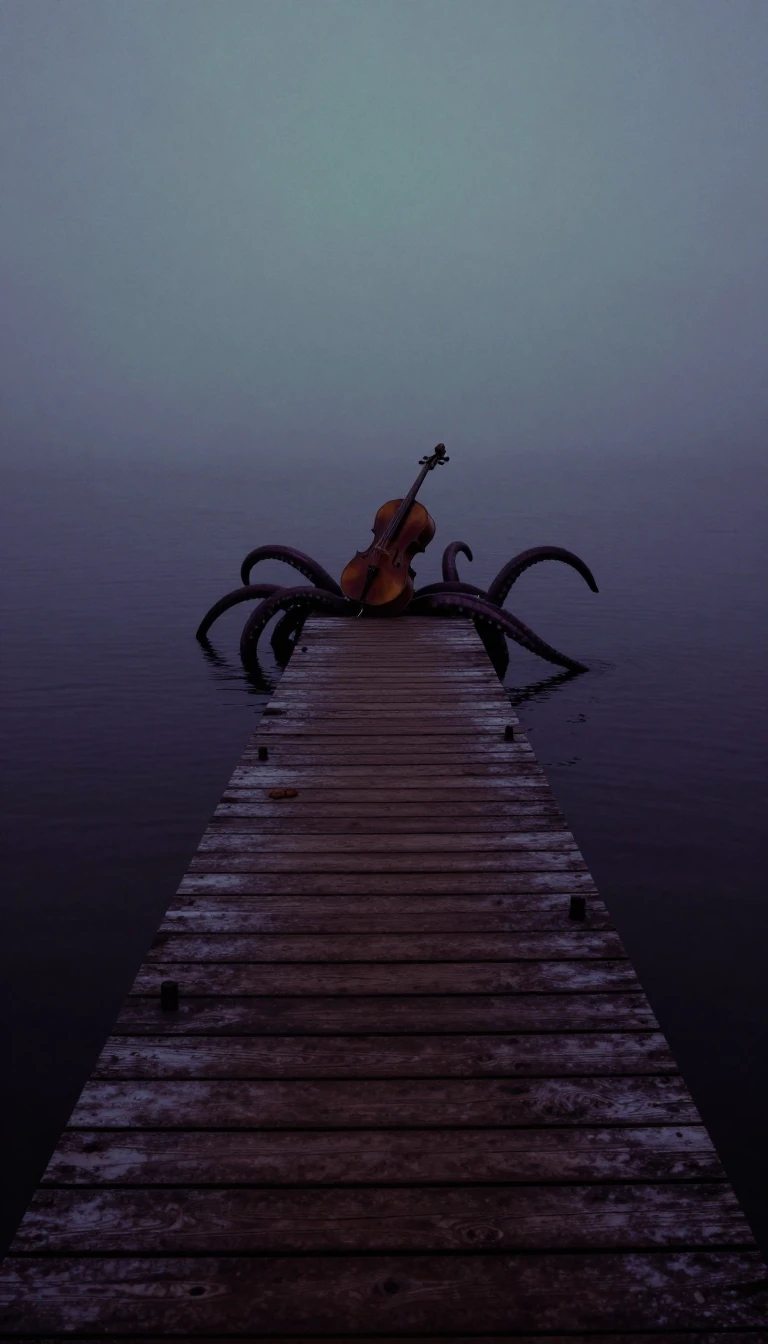
In short: Set against the 1910 Great Flood, A Monster in Paris reimagines the classic creature feature as a musical fantasy. When a clumsy experiment accidentally transforms a flea into a giant, melodious singer, the city of Paris must confront its own fears in a visually stunning, song-filled adventure of heart and identity.
Director Bibo Bergeron first conceived the project in 1993, but the film did not reach completion until 2011. Drawing inspiration from Gaston Leroux’s The Phantom of the Opera, the narrative follows two friends, Emile and Raoul, whose laboratory mishap creates a giant, singing flea named Francœur. The creature eventually finds sanctuary with Lucille, a cabaret singer at L'Oiseau Rare, who helps hide him from the ambitious and narcissistic Police Commissioner Victor Maynott. The film’s development was a long, arduous process; Bergeron, who spent years working at DreamWorks Animation, struggled for nine months to secure the necessary funding before production finally launched in 2009.
The production was a massive undertaking for the French film industry, requiring a budget of 28 million euros—making it the third most expensive French film produced in 2010. To achieve its distinct aesthetic, the team utilized XSI software and drew visual inspiration from impressionist painters like Alfred Sisley. The character designs were deeply personal, with the monster’s gestures and appearance modeled after musician Matthieu Chedid, who composed the soundtrack alongside Sean Lennon. Vanessa Paradis, who voiced Lucille in both the English and French versions, provided the vocal soul for the film’s musical numbers, which critics frequently cited as a highlight of the experience.
Critical reception was generally favorable, with reviewers praising the film’s poetic charm and original visual style, though some found the narrative structure conventional or occasionally thin. On Rotten Tomatoes, the film holds an 87% approval rating based on 23 reviews, with many critics noting its eccentric style that blends influences from King Kong and The Hunchback of Notre Dame. Despite its challenges, including a difficult fundraising period and a complex, multi-studio production process, the film earned nominations for both César and Annie Awards. It remains a notable example of a French production attempting to bridge the gap between big-budget American animation and arthouse sensibilities.
Opens the Intellect+ feed with this card first. Swipe up for the next one.
Sources
- Summary by Intellect · source: A Monster in Paris
- Also: Wikidata — A Monster in Paris · CC0
To cite this card, link to https://intellectplus.co.uk/app/entertainment-a-monster-in-paris.
How we source, check and correct cards: Editorial standards.
General information, not professional advice. Spotted an error? Flag the card or see corrections and complaints.
Intellect Plus is a visual educational discovery platform for exploring fascinating facts and ideas. Brain Food, Not Brain Rot. What is Intellect Plus?
Related
More in Animated series & cartoons · More in Entertainment · Latest · A–Z · All topics
