Can a mobster truly go straight? The messy, cinematic attempt to answer that question.
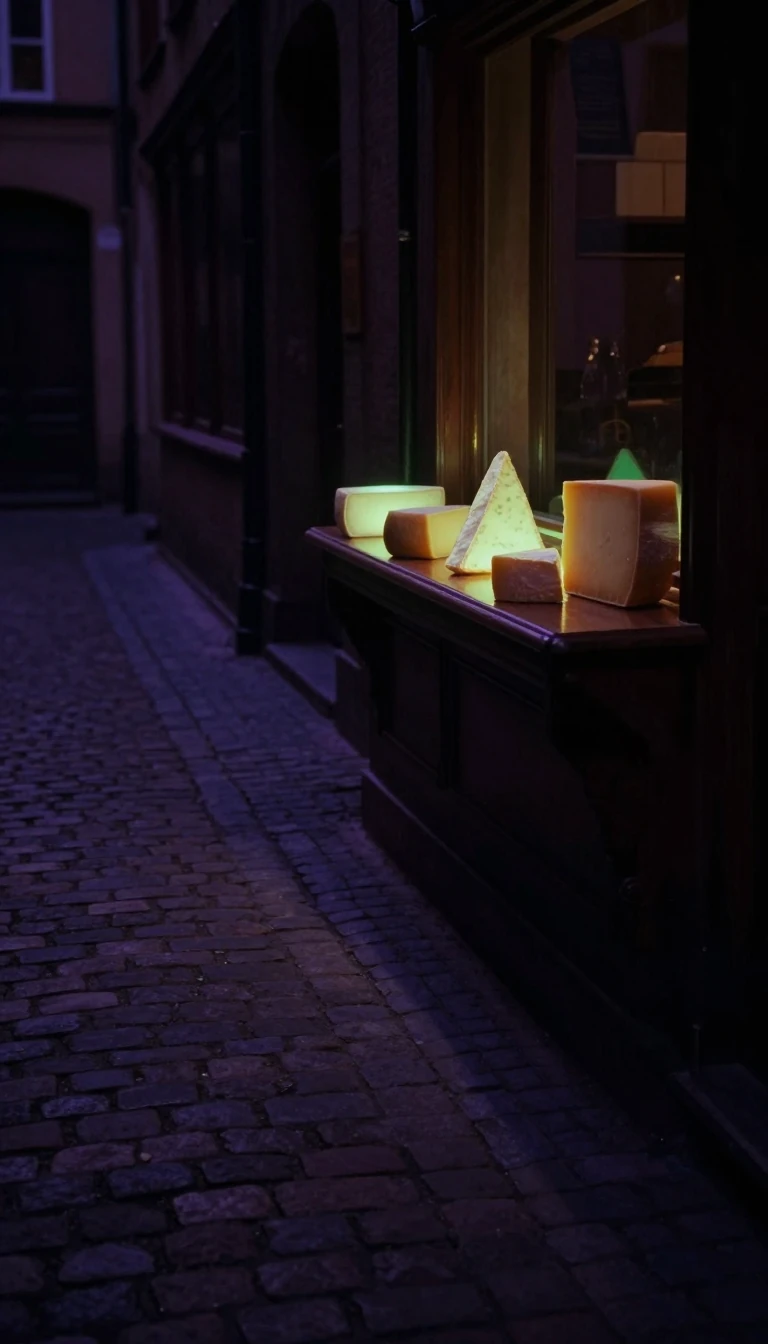
In short: When the 1999 hit Analyze This spawned a sequel, the creators aimed to explore whether a criminal could actually reform. The resulting film, Analyze That, placed a mob boss in the care of his psychiatrist, but struggled to capture the critical and commercial success of its predecessor.
The inspiration for the sequel stemmed from a New York Times piece discussing the psychological themes explored in the television series The Sopranos. Director Harold Ramis became intrigued by the moral implications of criminal rehabilitation, specifically wondering if a mobster like Paul Vitti could commit to a legitimate life after leaving prison. To ensure authenticity, the production hired Dr. Stephen A. Sands, a psychiatrist from Columbia University, as a technical adviser. Sands, who had studied the mental health case of Vincent 'The Chin' Gigante, facilitated visits for Robert De Niro to Bellevue Hospital, where the actor observed and interacted with patients in psychiatric units.
Production began in April 2002, a period marked by the city's recovery efforts following the September 11 attacks. Producer Jane Rosenthal emphasized that filming in New York was a deliberate choice to support the local economy and return to business as usual. The crew utilized various city locations, including Riker's Island for prison sequences and an Audi dealership on Park Avenue for scenes depicting Vitti's failed attempts at traditional employment. Cinematographer Ellen Kuras utilized distinct color palettes to differentiate the two leads: Vitti’s environment was rendered in cool blues and greens, while Sobel’s world featured warmer, neutral tones of yellow and orange.
Despite these efforts, the film faced significant criticism upon its December 2002 release. It earned $55 million globally against a $60 million budget, failing to match the performance of the original. Reviewers were largely unimpressed; Rotten Tomatoes reported a 26% approval rating, with critics describing the plot as a thin, formulaic recycling of the first film's premise. The Stinkers Bad Movie Awards even named it the Worst Sequel of 2002. While the film attempted to blend mob tropes with psychological inquiry, it ultimately struggled to find the same resonance as its predecessor.
Opens the Intellect+ feed with this card first. Swipe up for the next one.
Sources
- Summary by Intellect · source: Analyze That
- Also: Wikidata — Analyze That · CC0
To cite this card, link to https://intellectplus.co.uk/app/entertainment-analyze-that.
How we source, check and correct cards: Editorial standards.
General information, not professional advice. Spotted an error? Flag the card or see corrections and complaints.
Intellect Plus is a visual educational discovery platform for exploring fascinating facts and ideas. Brain Food, Not Brain Rot. What is Intellect Plus?
Related
More in Films · More in Entertainment · Latest · A–Z · All topics
