How a wartime tank invention created the cinematic widescreen look
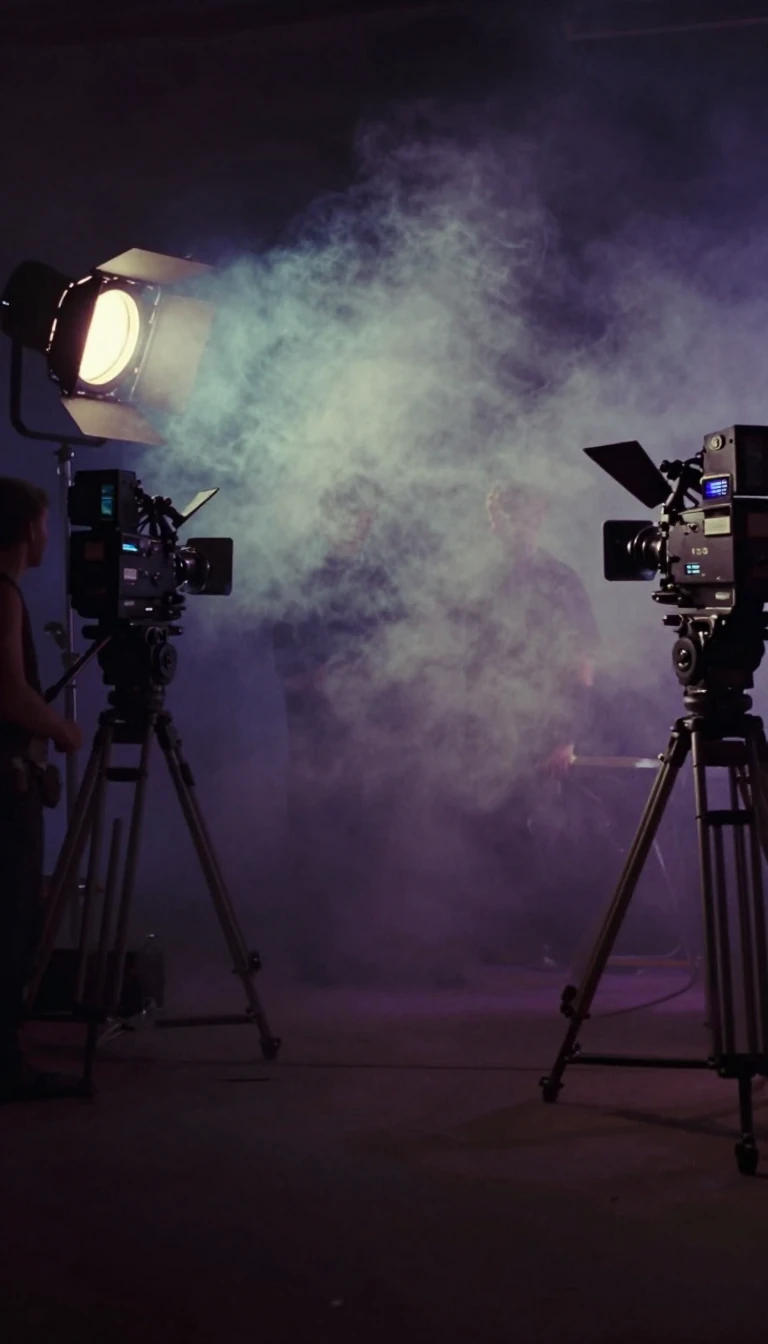
In short: Long before it defined the epic scale of Hollywood blockbusters, the anamorphic process was designed for a much more intense environment: the interior of a military tank. This technique uses specialized lenses to squeeze a wide field of view into a narrow frame, preserving detail that standard filming would simply discard.
The origins of anamorphic technology lie in the First World War. Engineer Henri Chrétien developed an optical process called Hypergonar to provide a 180-degree wide-angle view for military tanks. Following the war, this technology transitioned to the silver screen, appearing in the 1927 short film *To Build a Fire*. In the 1920s, pioneer Leon F. Douglass also experimented with similar anamorphic cameras and special effects.
The technique works by using cylindrical lenses to horizontally compress an image during recording. This 'squeeze' allows a wide field of view to fit onto standard 35 mm film without cropping the top or bottom of the frame. During projection, a complementary lens expands the image back to its intended proportions, such as the modern 2.39:1 ratio. This method is more efficient than 'flat' spherical filming, which requires masking parts of the frame and wasting valuable resolution. This efficiency is why the format is often called 'Scope,' a contraction of the early CinemaScope name. The modern standard is frequently approximated as 2.4:1.
While highly effective, the process introduces unique optical artifacts. These include oval-shaped bokeh, horizontal blue-tinted lens flares, and a phenomenon known as 'anamorphic mumps,' where faces appear distorted or swollen in close-ups. While early systems like CinemaScope struggled with these distortions, modern digital sensors with high ISO sensitivity have fueled a renaissance, allowing cinematographers to embrace these vintage aesthetic traits. To mitigate these issues, Panavision introduced an anti-mumps system in the late 1950s. Some directors, like Wes Anderson, even utilize wide-angle versions to create a specific cylindrical perspective.
The industry has seen various technical iterations, from the complex three-projector Cinerama system to the standardized SMPTE formats. Today, the term 'Scope' remains a common shorthand for this expansive, compressed style of storytelling. The technology was notably used by Twentieth Century-Fox starting in 1952, with the 1953 film *The Robe* being the first feature to utilize the anamorphic lens.
Opens the Intellect+ feed with this card first. Swipe up for the next one.
Sources
- Summary by Intellect · source: Anamorphic format
- Also: Wikidata — anamorphic format · CC0
To cite this card, link to https://intellectplus.co.uk/app/entertainment-anamorphic-format.
How we source, check and correct cards: Editorial standards.
General information, not professional advice. Spotted an error? Flag the card or see corrections and complaints.
Intellect Plus is a visual educational discovery platform for exploring fascinating facts and ideas. Brain Food, Not Brain Rot. What is Intellect Plus?
Related
More in Films · More in Entertainment · Latest · A–Z · All topics
