How a South Korean monster movie became a global box office curiosity
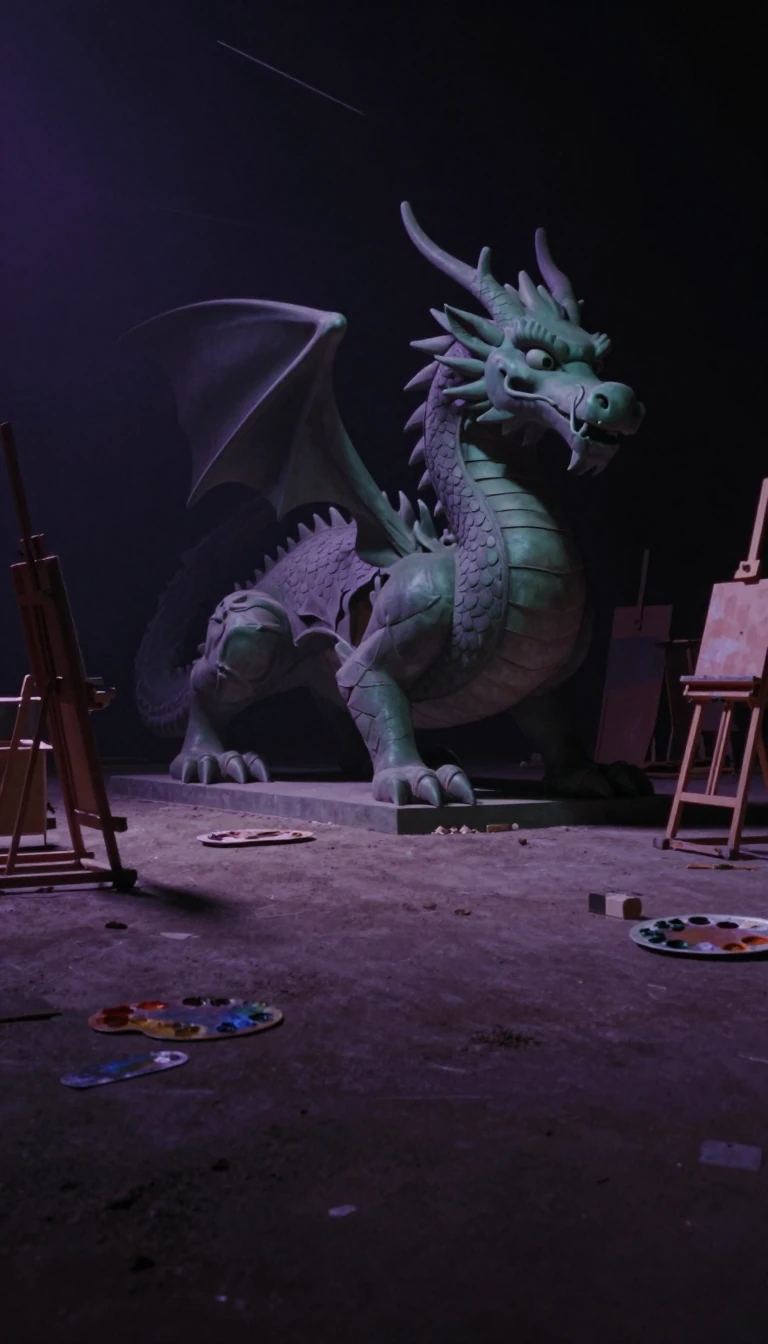
In short: In 2007, director Shim Hyung-rae unleashed D-War, a fantasy epic featuring ancient dragons battling in modern Los Angeles. Despite being the most expensive South Korean film ever produced at the time, it polarized audiences and critics, sparking intense debates about national pride, cinematic quality, and the limits of CGI spectacle.
D-War, also known as Dragon Wars, represents a unique chapter in international co-production. Directed by Shim Hyung-rae, the film was a massive undertaking that aimed to bridge South Korean mythology with a Hollywood-style blockbuster aesthetic. The plot centers on Ethan Kendrick, a news anchor who discovers that his childhood acquaintance, Sarah Daniels, is the reincarnation of a figure destined to transform a benevolent dragon into a celestial being. This destiny is threatened by Buraki, a corrupt serpent-like creature leading an army of fantasy warriors against the combined might of the United States military and police forces in Los Angeles.
The production history of the film was notably arduous. Initially announced in 2001, the project suffered from significant budget inflation. While the original estimate was 30 billion won, or approximately $35 million, the final cost reached $99 million, largely due to the in-house creation of complex creature effects by Shim's company, Younggu-Art Movies. Despite this massive investment, the film received harsh criticism. Reviewers frequently praised the visual effects while simultaneously deriding the script, acting, and dialogue. On Rotten Tomatoes, it holds a 28% approval rating, with critics labeling it as preposterous and poorly constructed.
The film's reception in South Korea was particularly complex. It set national box office records, attracting five million viewers in its first nine days. Many observers attributed this success to a surge of nationalistic sentiment, fueled by the director's explicit goal of succeeding in the global market, underscored by the use of the Korean folk anthem Arirang. However, this commercial success did not equate to critical acclaim; many local critics dismissed the film as immature. Ultimately, while D-War achieved a historic wide release in North America, its legacy remains that of a visually ambitious but narratively flawed experiment that struggled to reconcile its grand aspirations with the realities of global film criticism.
Opens the Intellect+ feed with this card first. Swipe up for the next one.
Sources
- Summary by Intellect · source: D-War
- Also: Wikidata — D-War · CC0
To cite this card, link to https://intellectplus.co.uk/app/entertainment-d-war.
How we source, check and correct cards: Editorial standards.
General information, not professional advice. Spotted an error? Flag the card or see corrections and complaints.
Intellect Plus is a visual educational discovery platform for exploring fascinating facts and ideas. Brain Food, Not Brain Rot. What is Intellect Plus?
Related
More in Films · More in Entertainment · Latest · A–Z · All topics
