How a botched Brooklyn bank robbery became a masterpiece of improvised cinema
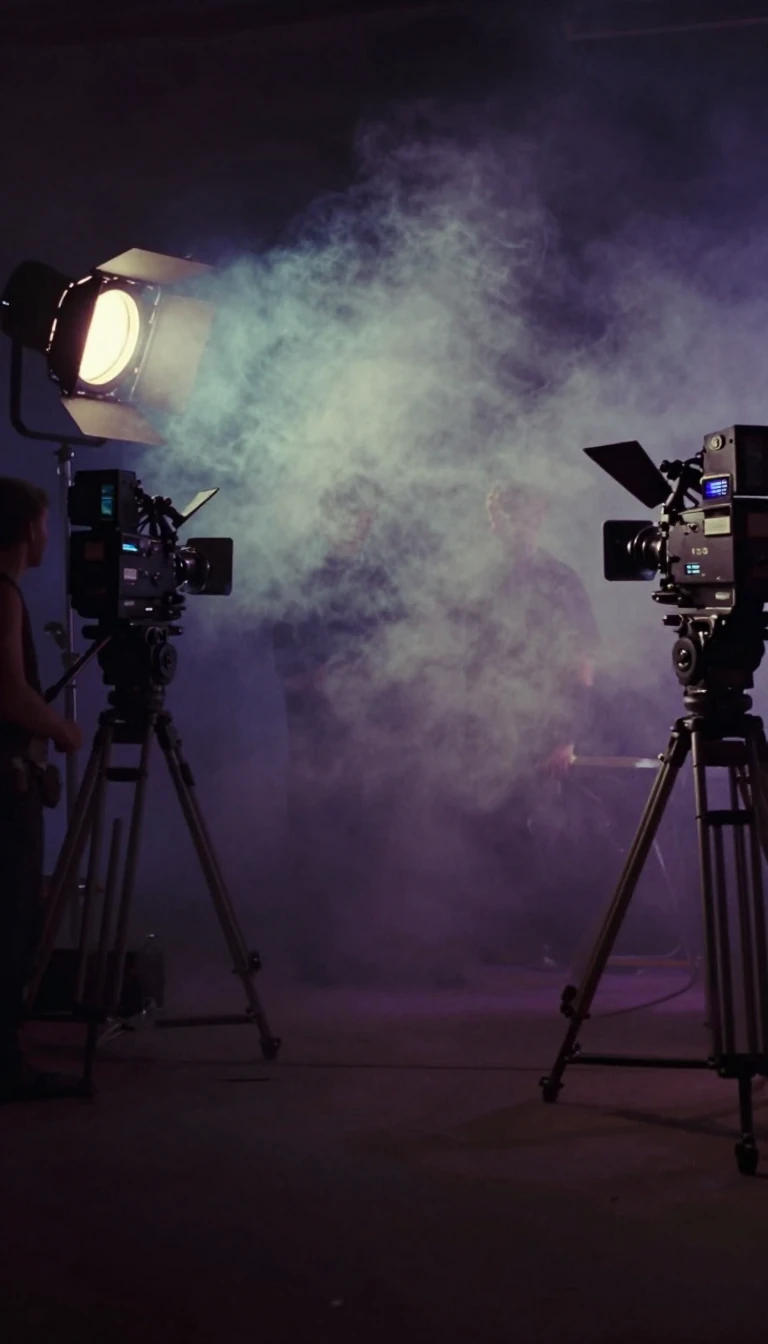
In short: When a 1972 heist went wrong, it birthed a chaotic hostage drama that Sidney Lumet transformed into a 1975 cinematic landmark. By prioritizing raw, unscripted emotion over traditional structure, the production captured a frantic, sweaty reality that remains one of the most authentic portrayals of human desperation ever filmed.
The 1975 film Dog Day Afternoon chronicles the real-life 1972 robbery of a Chase Manhattan branch in Brooklyn, led by John Wojtowicz and Salvatore Naturile. The heist, intended to fund a gender reassignment surgery for Wojtowicz's partner, Ernest Aron, quickly collapsed when the robbers arrived after an armored truck had already removed the bulk of the cash. What followed was a fourteen-hour standoff that captivated the public and eventually inspired a Life magazine feature, The Boys in the Bank, which served as the primary source for screenwriter Frank Pierson.
Director Sidney Lumet and star Al Pacino sought a gritty, newsreel-like aesthetic, eschewing a traditional musical score and encouraging actors to improvise dialogue. Lumet famously filmed on location in Brooklyn, using a warehouse set with movable walls to allow for fluid, long-lens camerawork. To maintain the illusion of a sweltering summer day during a fall shoot, the cast kept ice in their mouths to prevent their breath from showing on camera. The production was marked by intense method acting, with Pacino and Chris Sarandon improvising their pivotal phone conversation to avoid the cliches of the era.
The film’s success was both critical and commercial, earning an Academy Award for Best Original Screenplay and multiple nominations. Despite the chaotic nature of the real event, the film was praised for its sensitive handling of its subjects. In 2009, the Library of Congress selected it for preservation in the National Film Registry, cementing its status as a culturally significant work. While the real-life Wojtowicz served twenty years in prison, the film remains a testament to Lumet's ability to turn a failed crime into a profound exploration of human vulnerability.
The production process itself was a feat of coordination, finishing three weeks ahead of schedule despite the logistical challenges of filming on a busy street. Lumet’s decision to integrate the crowd into the film—often whipping them into a frenzy—added a layer of spontaneous tension that defined the movie's frantic energy. By focusing on the emotional failures of the characters rather than the mechanics of the crime, the film transcended its genre to become a character study that continues to resonate with audiences today.
Opens the Intellect+ feed with this card first. Swipe up for the next one.
Sources
- Summary by Intellect · source: Dog Day Afternoon
- Also: Wikidata — Dog Day Afternoon · CC0
- Also: Wikidata — Dog Day Afternoon · CC0
To cite this card, link to https://intellectplus.co.uk/app/entertainment-dog-day-afternoon.
How we source, check and correct cards: Editorial standards.
General information, not professional advice. Spotted an error? Flag the card or see corrections and complaints.
Intellect Plus is a visual educational discovery platform for exploring fascinating facts and ideas. Brain Food, Not Brain Rot. What is Intellect Plus?
Related
More in Films · More in Entertainment · Latest · A–Z · All topics
