Can an entire town be built with nothing more than chalk lines and imagination?
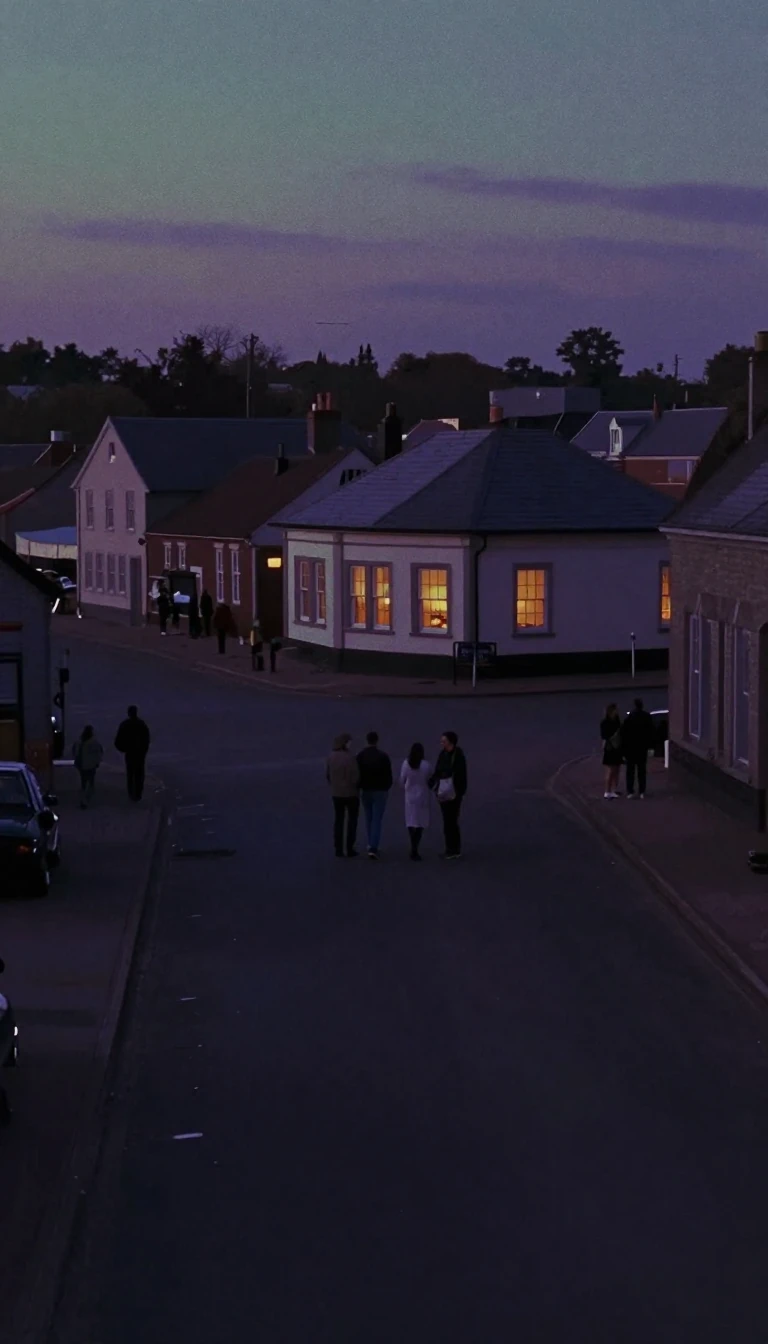
In short: Lars von Trier's 2003 drama Dogville strips cinema to its barest bones. By replacing traditional sets with white outlines on a black stage, the film forces viewers to confront a brutal, allegorical tale of human cruelty. It is a polarizing masterpiece that challenges the very nature of cinematic storytelling.
Dogville unfolds in an isolated Rocky Mountain town where the residents are depicted as quaint but deeply flawed. The story follows Grace Mulligan, a fugitive seeking refuge, who attempts to integrate into the community through physical labor. As she performs chores for the townsfolk, her presence acts as a moral test for the residents, eventually revealing the dark potential for evil that Trier argues can emerge anywhere given the right situation.
The film’s aesthetic is its most striking feature. Influenced by the theatre of Bertolt Brecht, the production uses minimal scenery, relying on chalk markings on the floor to define spaces like gooseberry bushes or houses. Sound effects replace physical objects, such as doors that are heard but never seen. This artificiality is intentional, designed to focus the audience entirely on the acting and the narrative arc, while constantly reminding them that they are watching a constructed performance.
Upon its release, the film sparked intense debate. Critics were sharply divided, with some hailing it as a brilliant, innovative work of art and others dismissing it as pretentious or misanthropic. Despite the controversy, its reputation has grown significantly over the decades. It has been recognized in major polls as one of the greatest films of the 21st century, and its influence has extended into other mediums, including a 2023 opera adaptation by Gordon Kampe.
The film’s conclusion is as stark as its set. After enduring systematic abuse and betrayal, Grace orchestrates a violent retribution against the town, leaving only the dog, Moses, alive. The credits roll over photos of American poverty set to David Bowie, a choice that led some reviewers to label the work as anti-American. Whether viewed as a parable of failed Christian charity or a cold exercise in cruelty, the film remains a landmark of experimental cinema.
Opens the Intellect+ feed with this card first. Swipe up for the next one.
Sources
- Summary by Intellect · source: Dogville
- Also: Wikidata — Dogville · CC0
- Also: Wikidata — Dogville · CC0
To cite this card, link to https://intellectplus.co.uk/app/entertainment-dogville.
How we source, check and correct cards: Editorial standards.
General information, not professional advice. Spotted an error? Flag the card or see corrections and complaints.
Intellect Plus is a visual educational discovery platform for exploring fascinating facts and ideas. Brain Food, Not Brain Rot. What is Intellect Plus?
Related
More in Films · More in Entertainment · Latest · A–Z · All topics
