How a post-war literary magazine became the intellectual battlefield of modern France
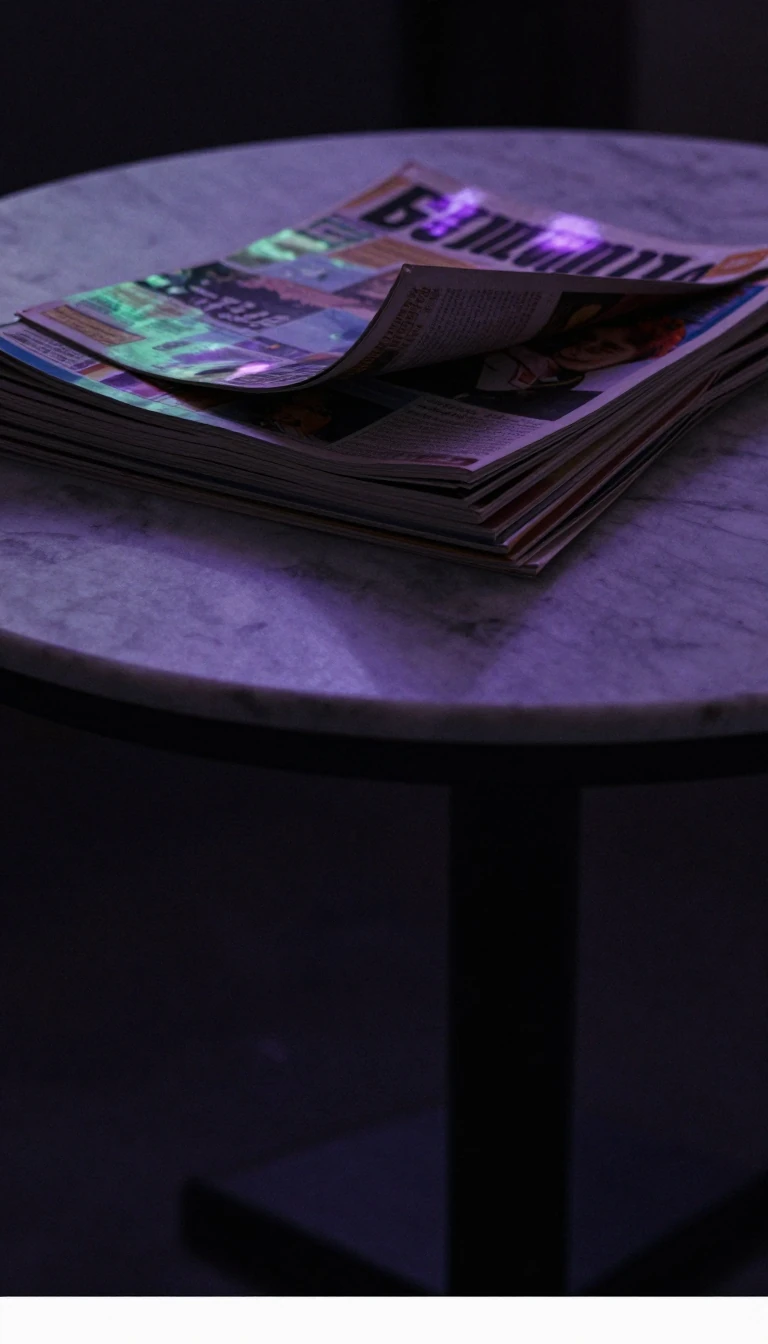
In short: Founded by Jean-Paul Sartre and Simone de Beauvoir in 1945, Les Temps modernes was more than a journal; it was a manifesto for committed literature. Over 74 years, it navigated existentialism, political scandal, and fierce ideological rifts, shaping the moral landscape of France until its final issue in 2019.
Born from the ashes of World War II, Les Temps modernes emerged in October 1945 as a successor to the collaborationist La Nouvelle Revue française. Jean-Paul Sartre, alongside Simone de Beauvoir, established the review to champion littérature engagée—the existentialist belief that writers must actively participate in social and political life rather than retreating into art for art's sake. This utilitarian approach, which famously dismissed Flaubert as a 'talented coupon clipper,' sparked immediate friction with the literary establishment, including André Gide and André Breton.
The magazine quickly became a crucible for the era's most volatile debates. Its editorial board, which initially included Raymond Aron and Maurice Merleau-Ponty, suffered from deep political fractures. Aron departed in 1945 over the magazine's pro-Communist leanings, while Merleau-Ponty resigned during the Korean War as his views diverged from Sartre's. The journal's influence peaked in the 1960s, boasting over 20,000 subscribers and taking a defiant stance against French colonial actions during the Algerian War, even as the government seized its premises and censured its content.
Beyond its political crusades, the review served as a vital platform for diverse voices, publishing works by Samuel Beckett, Richard Wright, and Jean Genet. It also utilized special issues to dissect global crises, from the Hungarian Rebellion to the Israeli-Arab conflict. Following the death of long-time editor Claude Lanzmann in 2018, the magazine ceased publication in 2019. Its legacy remains a testament to a time when intellectuals believed that literature could, and should, hold the power to change the world.
Opens the Intellect+ feed with this card first. Swipe up for the next one.
Sources
- Summary by Intellect · source: Les Temps modernes
- Also: Wikidata — Les Temps modernes · CC0
- Also: www.britannica.com — Les Temps Modernes | French review | Britannica
To cite this card, link to https://intellectplus.co.uk/app/entertainment-les-temps-modernes.
How we source, check and correct cards: Editorial standards.
General information, not professional advice. Spotted an error? Flag the card or see corrections and complaints.
Intellect Plus is a visual educational discovery platform for exploring fascinating facts and ideas. Brain Food, Not Brain Rot. What is Intellect Plus?
Related
More in Magazines · More in Entertainment · Latest · A–Z · All topics
