How a rejected shapeshifting concept created a feminist icon
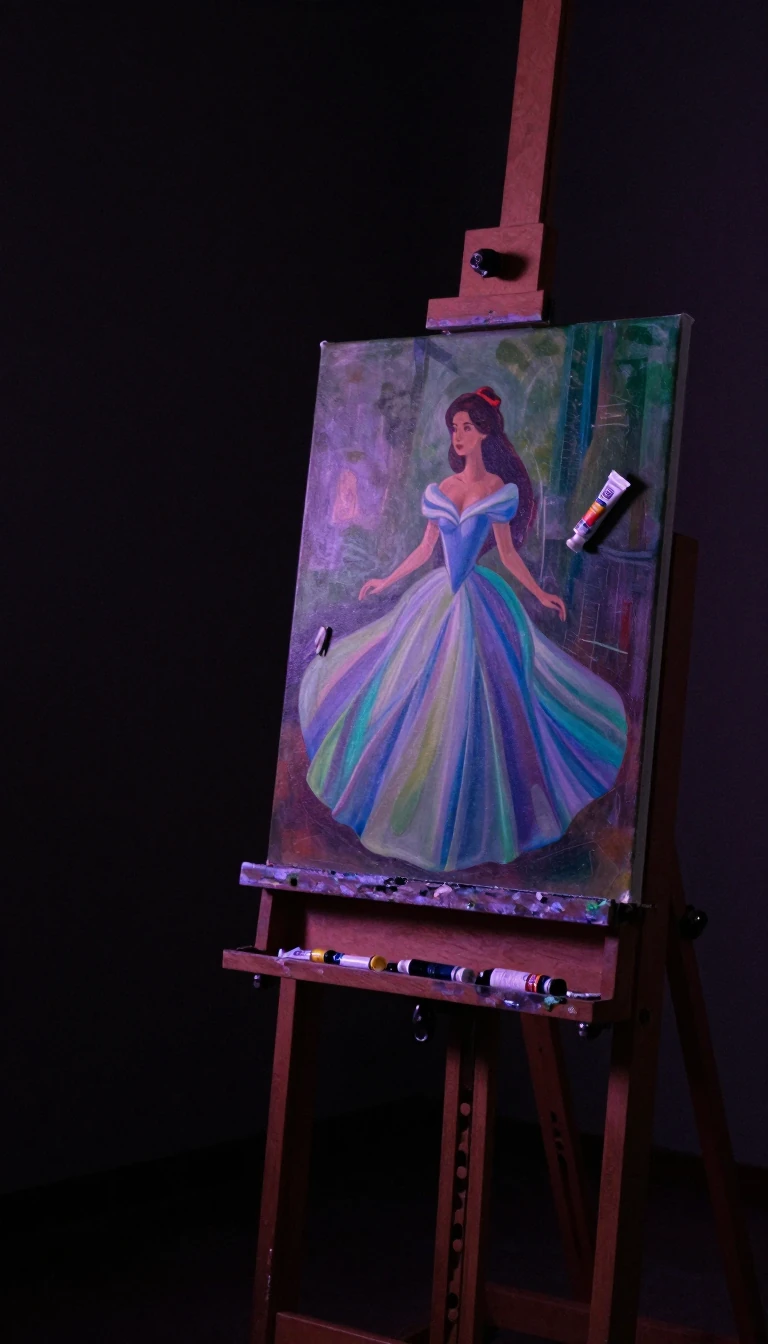
In short: Before she was a beloved princess, Fiona was a discarded script idea. Originally envisioned as a much uglier character from a children's book, her transformation into a beautiful woman with a nocturnal curse changed animation history and redefined what a fairy tale heroine could be.
The character of Princess Fiona, central to DreamWorks' Shrek franchise, underwent a radical evolution from her literary origins. In William Steig's 1990 book *Shrek!*, the protagonist's love interest was an 'unsightly' princess, described as the most stunningly ugly creature on the planet. However, screenwriters Ted Elliott and Terry Rossio significantly modified this for the 2001 film, introducing a beautiful princess burdened by a nocturnal curse that transforms her into an ogre. This concept was initially rejected by peers for six months due to its perceived complexity, but the writers defended it by citing existing tropes in Disney's *The Little Mermaid* and *Beauty and the Beast*.
The animation process itself faced significant hurdles. Early attempts to render Fiona with hyper-realistic human features led to 'uncanny' reactions from test audiences, forcing animators to adopt a more stylized, cartoonish design. Despite this, the production utilized revolutionary techniques to render convincing skin, hair, and lighting. The character's development also saw significant script changes; early drafts featured a backstory where Fiona was born an ogre to human parents and lived in a tower, but this was discarded after audiences found the sequence depressing.
Beyond the screen, the role transformed the career of actress Cameron Diaz. Originally, comedian Janeane Garofly was cast but was replaced—a move believed to be linked to the death of Shrek's original actor, Chris Farley. Diaz's performance helped her become one of Hollywood's highest-paid actresses, earning $3 million for the first film and upwards of $10 million for sequels. Today, Fiona is often celebrated as a feminist icon for subverting gender stereotypes by embracing her flaws and her ogre identity.
Opens the Intellect+ feed with this card first. Swipe up for the next one.
Sources
- Summary by Intellect · source: Princess Fiona
- Also: Wikidata — Princess Fiona · CC0
- Also: Wikidata — Princess Fiona · CC0
To cite this card, link to https://intellectplus.co.uk/app/entertainment-princess-fiona.
How we source, check and correct cards: Editorial standards.
General information, not professional advice. Spotted an error? Flag the card or see corrections and complaints.
Intellect Plus is a visual educational discovery platform for exploring fascinating facts and ideas. Brain Food, Not Brain Rot. What is Intellect Plus?
Related
More in Animated series & cartoons · More in Entertainment · Latest · A–Z · All topics
