Can a film about time inversion survive a global pandemic and a massive budget?
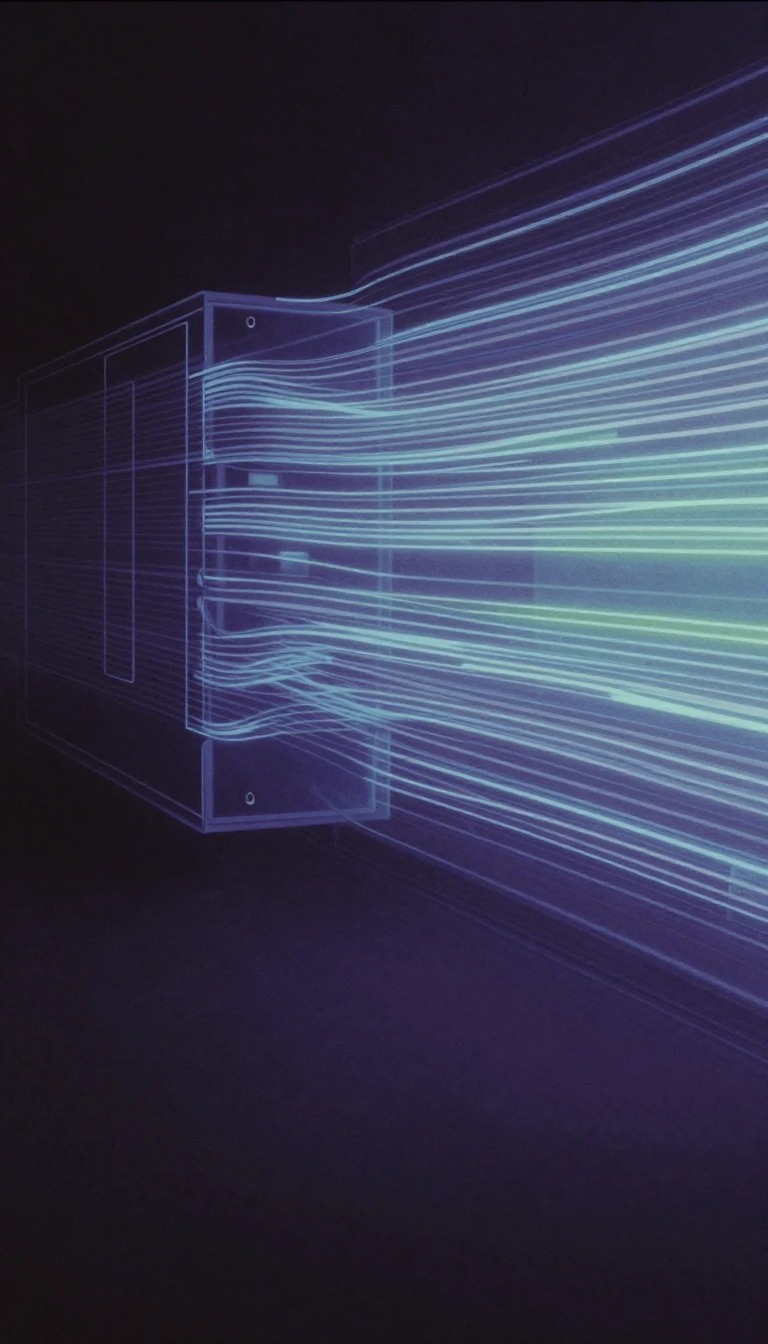
In short: Christopher Nolan’s 2020 science fiction thriller Tenet was the first major Hollywood blockbuster to brave theaters during the COVID-19 pandemic. With a $205 million budget and a complex plot centered on entropy, the film became a polarizing spectacle that challenged both audiences and the traditional economics of cinema.
Tenet follows a CIA operative recruited into a secret organization to prevent a future-led attack using objects with inverted entropy. The film’s core concept—time reversibility—draws on physics principles like the second law of thermodynamics and the grandfather paradox. Despite consulting with physicist Kip Thorne, Nolan explicitly stated he was not aiming for scientific accuracy, viewing the film as a distinct exploration of time rather than a factual representation of quantum mechanics.
The production was a logistical feat, filming in seven countries including Estonia, India, and Italy. Nolan avoided miniatures, famously purchasing a real Boeing 747 for a crash sequence. The film’s aesthetic was heavily influenced by Brutalist architecture, with the Linnahall in Tallinn serving as a stand-in for the Kyiv Opera House. The cast, including John David Washington and Robert Pattinson, were required to read the script in a locked room to maintain secrecy.
Commercially, the film faced immense pressure. It grossed $376.6 million worldwide, failing to break even against a $205 million production budget and significant marketing costs. Analysts estimated it needed $400–500 million to be profitable. The release strategy caused friction between Nolan and Warner Bros., particularly regarding the studio's decision to move other 2021 titles to HBO Max. This disagreement ultimately ended their long-standing partnership, leading Nolan to move his subsequent projects to Universal Pictures.
Critical reception was notably divided. While some praised the film as a visually dazzling puzzle, others found its metaphysical concepts confusing. Despite the mixed reviews, it secured the Academy Award for Best Visual Effects. The film’s legacy remains tied to its role as a test case for the theatrical industry during a period of unprecedented global disruption.
Opens the Intellect+ feed with this card first. Swipe up for the next one.
Sources
- Summary by Intellect · source: Tenet
- Also: Wikidata — Tenet · CC0
- Also: Wikidata — Tenet · CC0
To cite this card, link to https://intellectplus.co.uk/app/entertainment-tenet.
How we source, check and correct cards: Editorial standards.
General information, not professional advice. Spotted an error? Flag the card or see corrections and complaints.
Intellect Plus is a visual educational discovery platform for exploring fascinating facts and ideas. Brain Food, Not Brain Rot. What is Intellect Plus?
Related
More in Films · More in Entertainment · Latest · A–Z · All topics
