A surreal steampunk masterpiece that explores the dark, mechanical cost of stolen childhood dreams
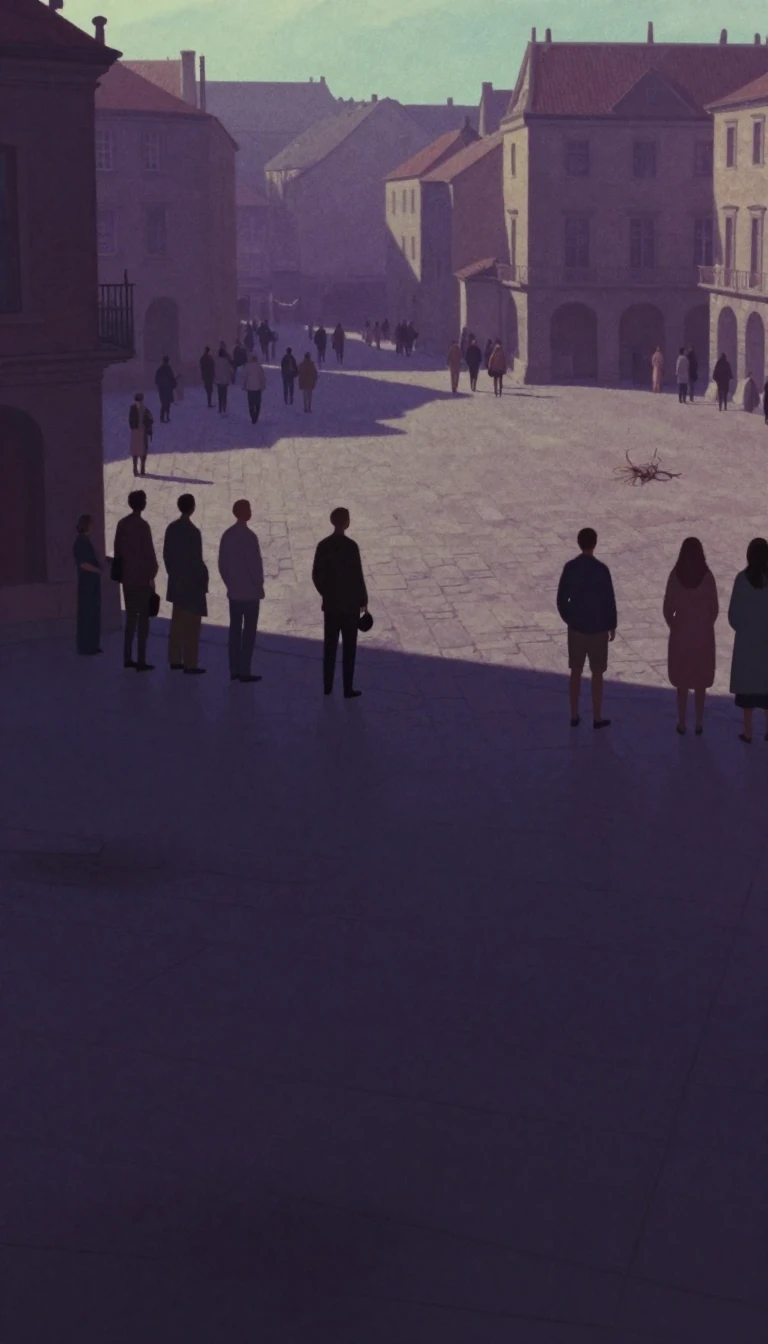
In short: In this 1995 fantasy, a malicious being named Krank kidnaps children to harvest their dreams because he cannot dream himself. This visually stunning film, directed by Marc Caro and Jean-Pierre Jeunet, blends dark industrial aesthetics with a profound meditation on the human cost of unchecked ambition and capitalist exploitation.
The City of Lost Children follows the journey of One, a carnival strongman, and Miette, a young orphan, as they attempt to rescue One's kidnapped brother, Denrée. Their antagonist, Krank, is a creation of a vanished scientist who resides on an abandoned oil rig. Because Krank is unable to dream, he ages prematurely, forcing him to rely on a dream-extracting machine and a cult of cyborgs known as the Cyclops to kidnap children from a nearby port city. The film’s intricate visual design, featuring costumes by Jean Paul Gaultier and a score by Angelo Badalamenti, creates a unique steampunk atmosphere that has influenced iconic works like the original Fallout video game.
Beyond its striking visuals, the film serves as a critique of capitalist structures. Scholars Jen Webb and Tony Schirato argue that the narrative highlights the tension between the freedom to pursue scientific and financial gain and the resulting exploitation of innocence and tenderness. The characters represent various facets of this struggle: the Octopus gang seeks wealth, the Cyclops pursue religious fervor, and Krank embodies the destructive potential of scientific development. The film suggests that such systems leave little room for authentic human qualities like duty or self-reflection.
Ultimately, the story centers on the search for genuine connection. Characters like Miette and One form a makeshift family, contrasting with the technologically produced group of clones and the brain-in-a-vat, Irvin. As the film concludes, these two distinct families row toward uncertain futures, leaving viewers to contemplate what remains of humanity in a world dominated by artifice. While some critics, including Roger Ebert, found the plot occasionally difficult to follow, the film remains a memorable, disturbing, and profoundly influential piece of cinema that grossed over $11 million worldwide.
Opens the Intellect+ feed with this card first. Swipe up for the next one.
Sources
- Summary by Intellect · source: The City of Lost Children
- Also: The City of Lost Children
- Also: Wikidata — The City of Lost Children · CC0
To cite this card, link to https://intellectplus.co.uk/app/entertainment-the-city-of-lost-children.
How we source, check and correct cards: Editorial standards.
General information, not professional advice. Spotted an error? Flag the card or see corrections and complaints.
Intellect Plus is a visual educational discovery platform for exploring fascinating facts and ideas. Brain Food, Not Brain Rot. What is Intellect Plus?
Related
More in Films · More in Entertainment · Latest · A–Z · All topics
