Can a single film capture the terrifying psychology of a mob in the American West?
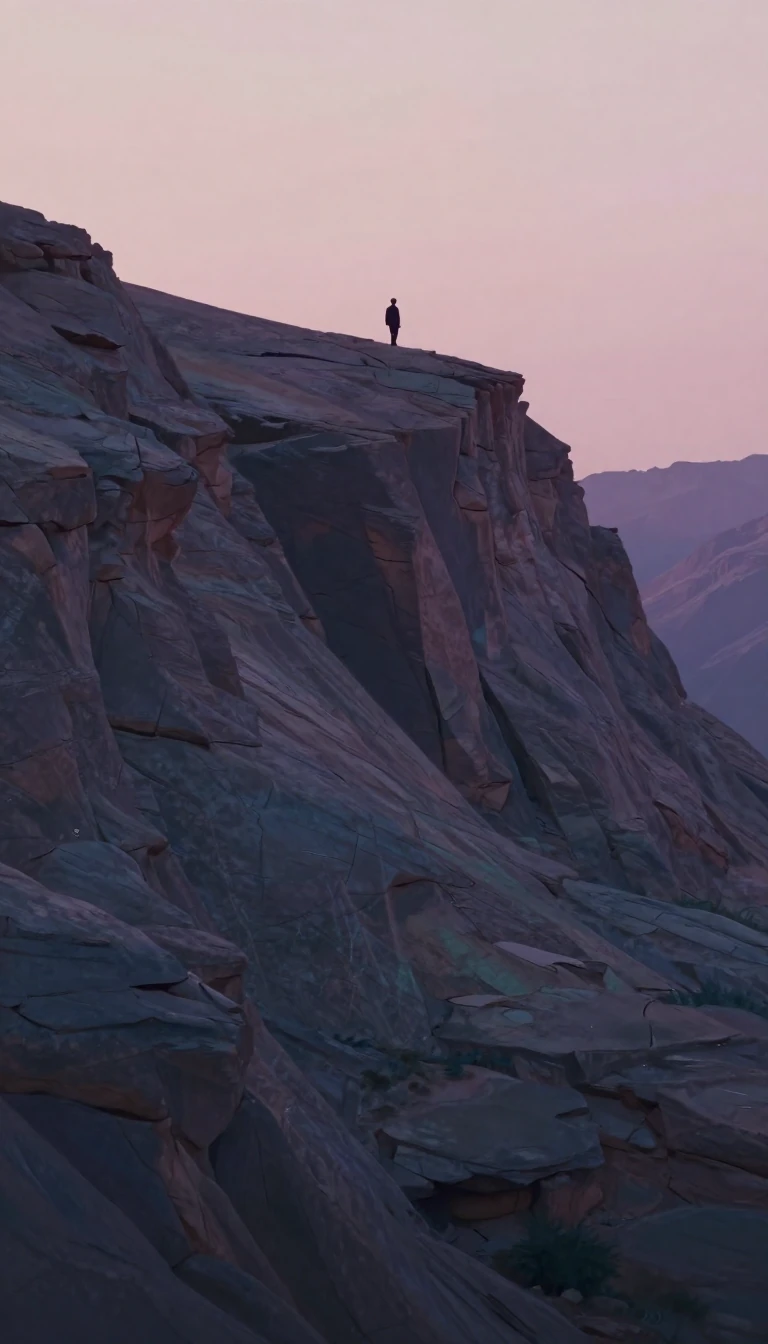
In short: The Ox-Bow Incident, both a 1940 novel and a 1943 film, serves as a chilling examination of mob rule. Set in 1885 Nevada, it depicts a posse that executes three men without trial, only to discover their victims were innocent. It remains a haunting parable about the fragility of justice.
The story, written by Walter Van Tilburg Clark and adapted for the screen by director William A. Wellman, explores the dark reality of lynch law. In the American West, frontier conditions often led settlers to bypass legal institutions in favor of immediate, personal retribution. This practice, while often associated with the South, was a pervasive feature of the developing frontier, where vigilante groups frequently took the law into their own hands to punish suspected horse thieves or murderers.
In the narrative, a posse forms in Bridger's Wells to hunt the killers of a local rancher. Despite the efforts of a few dissenters, the group hangs three men—Donald Martin, Juan Martínez, and Alva Hardwicke—only to learn later that the rancher was alive and the men were innocent. The film highlights the terrifying ease with which a crowd can abandon due process. The mob’s decision to hang the trio, despite a vote where seven members dissented, underscores the psychological pressure of collective violence.
Historically, lynching in the United States was a widespread phenomenon, with 4,730 recorded deaths between 1882 and 1951. While the South used lynching as a tool of social control, the West saw similar extralegal violence born from the absence of formal civil institutions. The film, which was selected for the National Film Registry in 1998, remains a sobering critique of how quickly societies can descend into lawlessness. It stands as a unique piece of cinema, being the last film to receive a sole Oscar nomination in the Best Picture category.
The production itself faced wartime constraints, including a $5,000 limit on new construction materials, forcing the studio to recycle sets to build the massive Ox-Bow Valley location. Henry Fonda, who starred as Gil Carter, considered this one of his favorite roles. By stripping away the romanticism of the Western genre, the story forces the audience to confront the moral failure of a community that chooses vengeance over the rule of law.
Opens the Intellect+ feed with this card first. Swipe up for the next one.
Sources
- Summary by Intellect · source: The Ox-Bow Incident | Western, 1940s, Mystery | Britannica
- Also: The Ox-Bow Incident
To cite this card, link to https://intellectplus.co.uk/app/entertainment-the-ox-bow-incident.
How we source, check and correct cards: Editorial standards.
General information, not professional advice. Spotted an error? Flag the card or see corrections and complaints.
Intellect Plus is a visual educational discovery platform for exploring fascinating facts and ideas. Brain Food, Not Brain Rot. What is Intellect Plus?
Related
More in Films · More in Entertainment · Latest · A–Z · All topics
