What happened to the horse that allegedly broke Friedrich Nietzsche's mind in 1889?
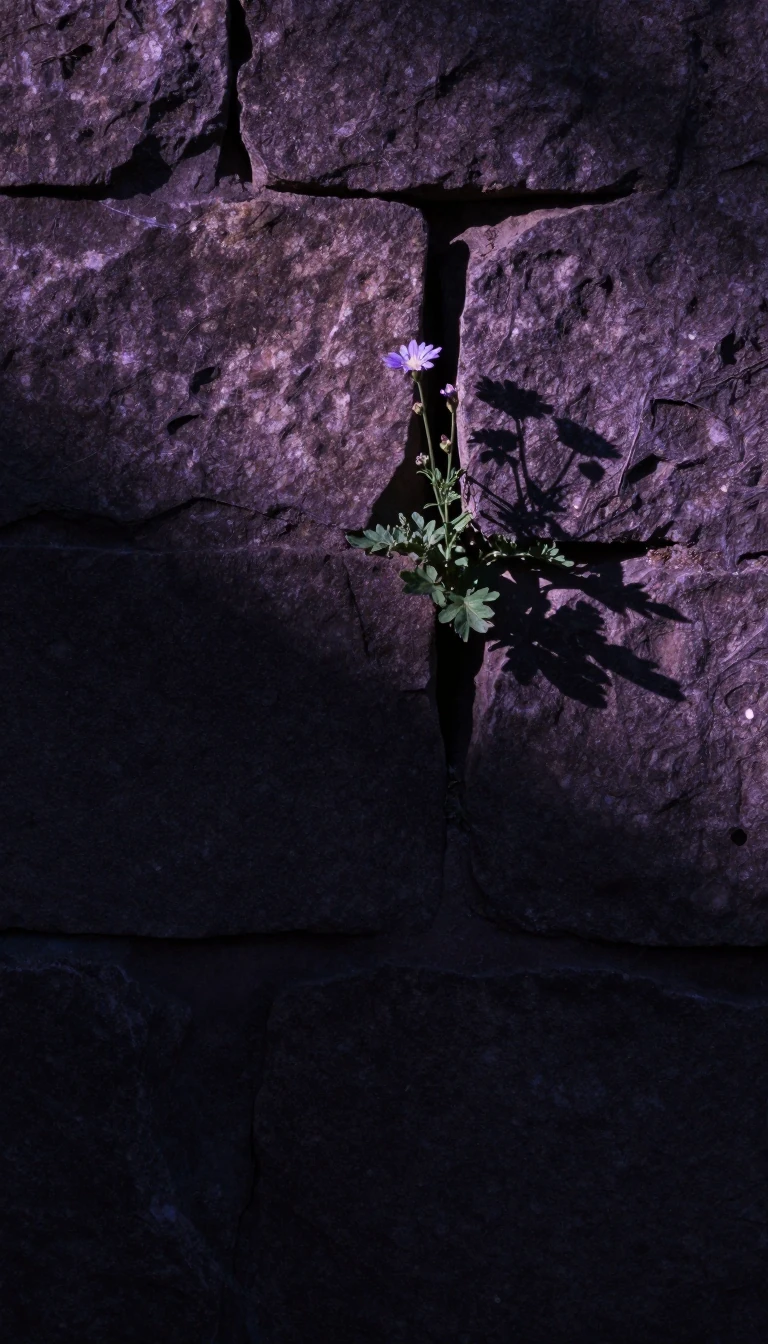
In short: In 1889, philosopher Friedrich Nietzsche reportedly collapsed after witnessing a coachman whip his horse in Turin. While history moved on, filmmaker Béla Tarr spent decades wondering about the animal's fate. The result is a haunting, minimalist masterpiece that strips human existence down to its most grueling, repetitive, and apocalyptic essentials.
The Turin Horse, directed by Béla Tarr and Ágnes Hranitzky, originated from a simple question posed by writer László Krasznahorkai in the mid-1980s: what became of the horse? The film, which Tarr declared his final work, premiered at the 61st Berlin International Film Festival in 2011, where it won the Jury Grand Prix. It depicts six days in the lives of a coachman and his daughter on the Great Hungarian Plain, a period defined by howling winds, raw potatoes, and a horse that refuses to work or eat.
The narrative is intentionally sparse, focusing on the 'heaviness of human existence' through repetitive daily routines. As the daughter and father struggle to survive, their world slowly disintegrates. A neighbor, Bernhard, visits to blame both humanity and a higher force for the destruction of the nearby town. The film’s atmosphere is further darkened by an 'anti-Bible' given to the daughter by a group of Romani travelers, which contains references to Nietzsche. Eventually, the sunlight vanishes, and the characters are left in total darkness, signaling a bleak, existential end.
Technically, the film is a feat of discipline, shot in only 30 long takes by cinematographer Fred Kelemen. Production was arduous, with principal photography spanning from November 2008 to 2010 due to extreme weather. The structures used—a hut, a well, and a stable—were built as real stone and wood buildings rather than sets. Despite its challenging, unyielding nature, the film received widespread critical acclaim, with critics like A. O. Scott noting that its formal rigor produces a rare experience of exaltation. It remains a profound meditation on the daily struggle of life, standing as a testament to Tarr’s career-long evolution from social commentary to a broader, more cosmic vision of the end.
Opens the Intellect+ feed with this card first. Swipe up for the next one.
Sources
- Summary by Intellect · source: The Turin Horse
- Also: Wikidata — The Turin Horse · CC0
To cite this card, link to https://intellectplus.co.uk/app/entertainment-the-turin-horse.
How we source, check and correct cards: Editorial standards.
General information, not professional advice. Spotted an error? Flag the card or see corrections and complaints.
Intellect Plus is a visual educational discovery platform for exploring fascinating facts and ideas. Brain Food, Not Brain Rot. What is Intellect Plus?
Related
More in Films · More in Entertainment · Latest · A–Z · All topics
