A Yugoslav masterpiece blends magical realism with the harsh realities of the criminal underworld
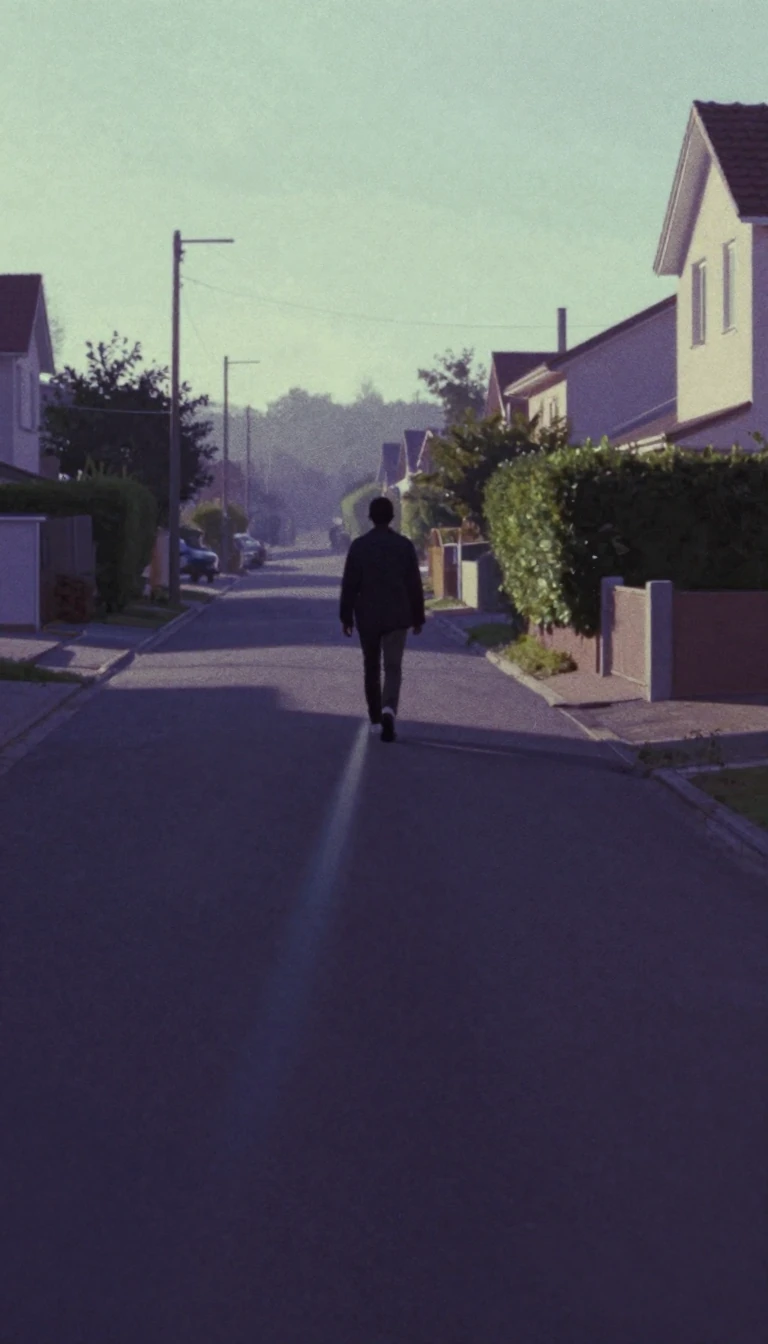
In short: Emir Kusturica’s 1988 film Time of the Gypsies follows a young Romani man gifted with telekinetic powers. As he transitions from a quiet village life to the brutal criminal networks of Milan, the film explores themes of exploitation, family loyalty, and the inescapable weight of one’s own heritage.
Released in 1988, Time of the Gypsies—or Dom za vešanje—is a landmark of Yugoslav cinema. Directed by Emir Kusturica, the film is celebrated for its authentic use of the Balkan Romani dialect and its daring integration of magical realism. The story centers on Perhan, a teenager living with his grandmother Khatidža, who possesses supernatural healing abilities. Perhan himself inherits minor telekinetic powers, a trait that becomes central to the film’s tragic trajectory as he is lured away from his village by a manipulative figure known as the Gypsy sheikh, Ahmed.
The narrative follows Perhan’s descent into a criminal underworld where he is forced to abandon his moral compass to survive. While he initially seeks honest work, he is eventually coerced into theft and exploitation. The film’s emotional core is strained by broken promises: his sister Danira is forced into begging rather than receiving medical care, and his marriage to Azra is marred by betrayal and deception. The film’s visual language is as surreal as its plot, featuring moments like a house suspended in mid-air and a climactic confrontation where Perhan uses his telekinetic abilities to exact revenge on Ahmed.
The production was as dramatic as the film itself. During filming, lead actor Davor Dujmović and Jadranka, the daughter of actress Ljubica Adžović, ran away together, forcing a police search. Kusturica eventually located them with the help of Adžović, who played the grandmother. The film’s critical reception was stellar, earning Kusturica the Best Director Award at the 1989 Cannes Film Festival and maintaining a 100% positive rating on Rotten Tomatoes. With a haunting soundtrack by Goran Bregović, the film remains a profound exploration of the struggle between supernatural potential and the crushing gravity of poverty and crime.
Opens the Intellect+ feed with this card first. Swipe up for the next one.
Sources
- Summary by Intellect · source: Time of the Gypsies
- Also: Time of the Gypsies
- Also: Le Temps des Gitans / Kuduz
To cite this card, link to https://intellectplus.co.uk/app/entertainment-time-of-the-gypsies.
How we source, check and correct cards: Editorial standards.
General information, not professional advice. Spotted an error? Flag the card or see corrections and complaints.
Intellect Plus is a visual educational discovery platform for exploring fascinating facts and ideas. Brain Food, Not Brain Rot. What is Intellect Plus?
Related
More in Films · More in Entertainment · Latest · A–Z · All topics
