How a royal craving for spicy rice transformed a humble Korean condiment into legend
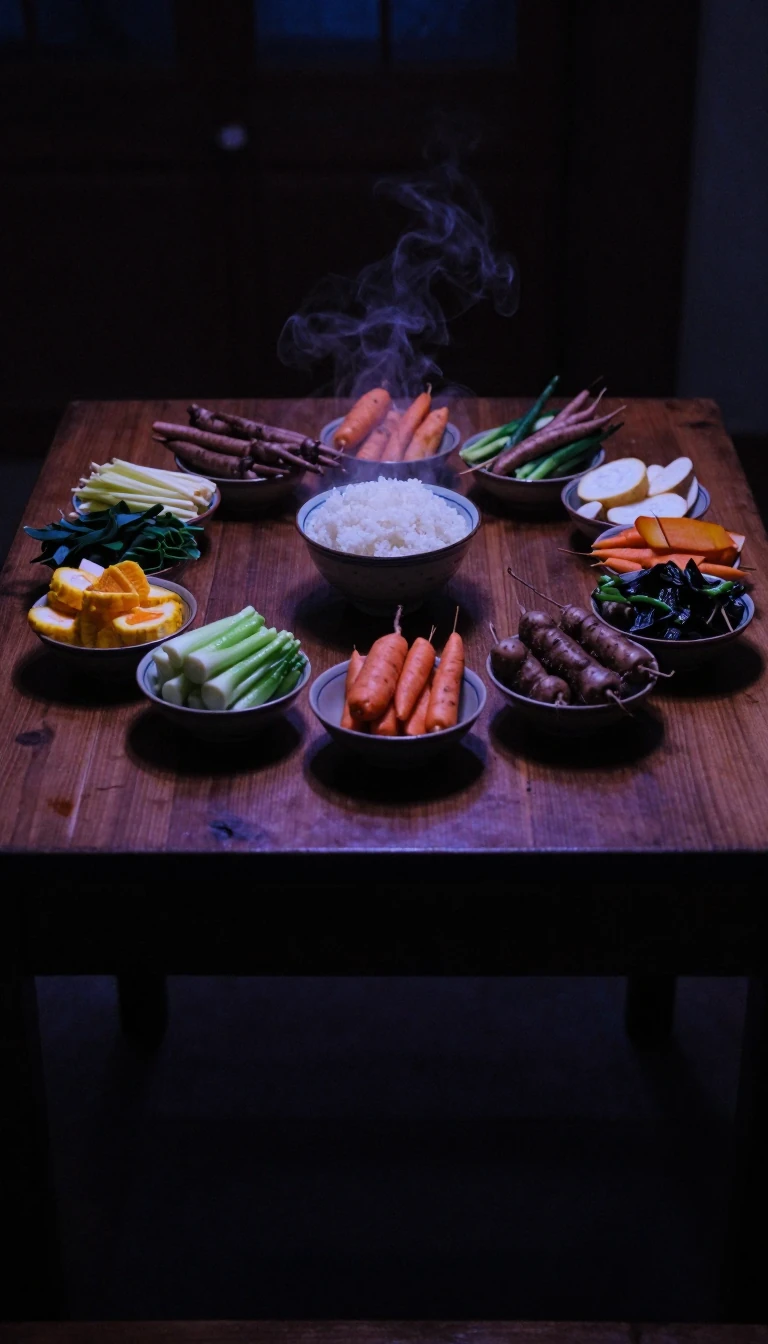
In short: Gochujang is the savory, sweet, and spicy backbone of Korean cuisine. While it is now a global staple, its status as a regional specialty began in the 14th century when King Taejo of Joseon fell in love with a bowl of bibimbab. Today, it remains an essential culinary icon.
The origins of gochujang are layered in history. Before the arrival of chili peppers in East Asia via Portuguese traders in the 16th century, Korean documents from the 9th, 15th, and 17th centuries recorded a pepper paste, though these predecessors lacked the signature heat of modern versions. By the 18th century, Sunchang County had cemented its reputation as the premier region for production, a status bolstered by the royal endorsement of King Taejo, who famously discovered the paste during a trip to Manilsa Temple.
Traditionally, this complex condiment was fermented for years in earthenware jars known as jangdok, kept on elevated platforms called jangdokdae. The process relies on a precise balance of ingredients: red chili powder, glutinous rice, fermented soybean powder, barley malt, and salt. The sweetness is derived from the starch of the rice, which is broken down by enzymes during the long fermentation. While home production was once universal, the early 1970s saw a shift toward commercial manufacturing, which now dominates the market.
Modern science has brought new scrutiny to this ancient craft. Because gochujang is a fermented product, it is susceptible to microbial activity. Research from 2015 and 2024 has investigated the presence of Bacillus cereus and aflatoxins in various samples. While traditional cottage industry products occasionally show higher levels of contamination or alcohol content—the latter being a concern for those adhering to halal guidelines—commercially produced gochujang generally adheres to stricter safety standards. Today, the heat of the paste is even quantified using the Gochujang Hot-taste Unit, which measures capsaicin concentrations to categorize products into five distinct levels of spiciness, ranging from mild to extreme.
Opens the Intellect+ feed with this card first. Swipe up for the next one.
Sources
- Summary by Intellect · source: Gochujang
- Also: Wikidata — gochujang · CC0
To cite this card, link to https://intellectplus.co.uk/app/places-gochujang.
How we source, check and correct cards: Editorial standards.
General information, not professional advice. Spotted an error? Flag the card or see corrections and complaints.
Intellect Plus is a visual educational discovery platform for exploring fascinating facts and ideas. Brain Food, Not Brain Rot. What is Intellect Plus?
Related
More in Countries and other regions · More in Countries & Cities · Latest · A–Z · All topics
