Why the humble clam is a global culinary powerhouse and a sacred artifact
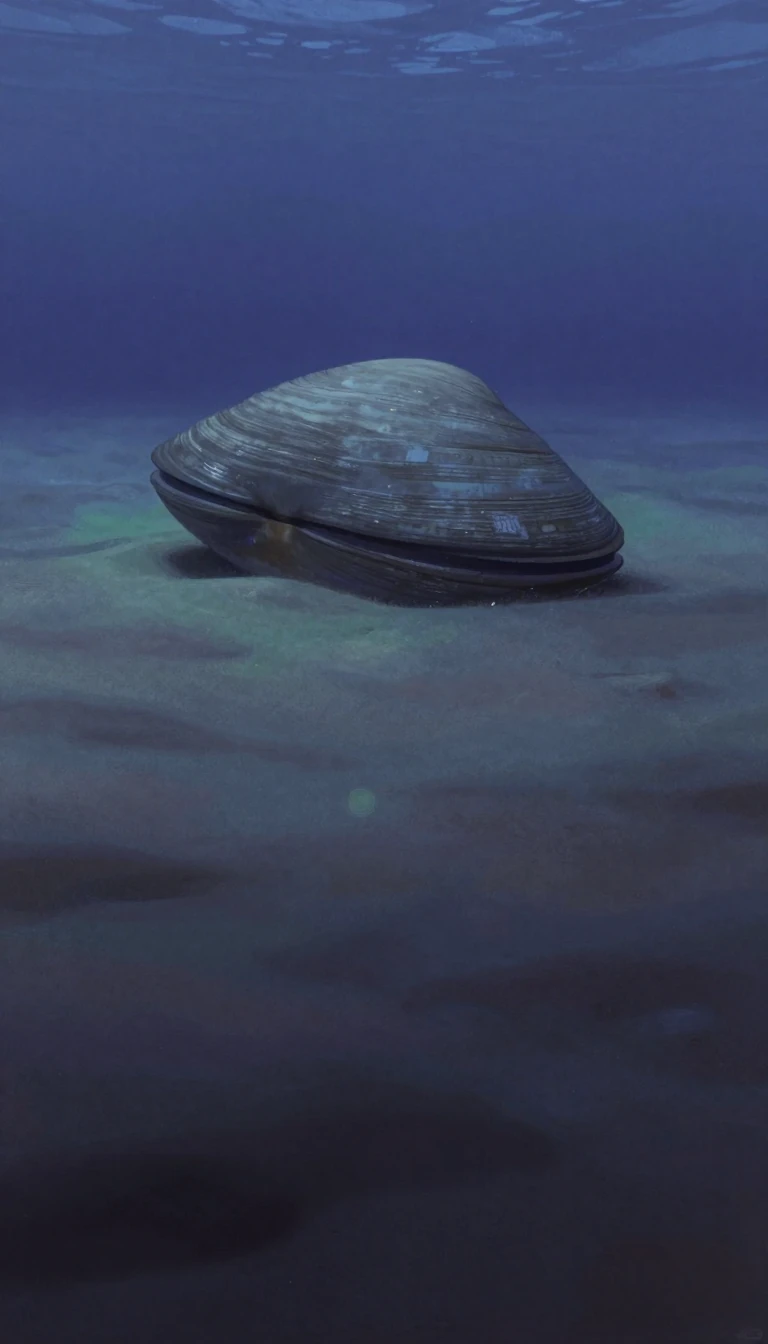
In short: Clams are more than just beach-dwelling bivalves. From the sacred wampum of North America to the diverse curries of India and the pasta dishes of Italy, these filter-feeding molluscs have shaped human diets and cultures for millennia. Discover the surprising biology and deep history of the world's most versatile shellfish.
Clams are bivalve molluscs defined by their two equal shells, connected by a hinge and adductor muscles. Unlike oysters or mussels, which attach to substrates, or scallops, which reside near the bottom, clams are infauna. They spend their lives partially buried in sand or mud, using a powerful foot to burrow. As filter feeders, they play a critical role in marine ecosystems, serving as a vital food source for diverse species ranging from walruses and sea lions to birds like the Eurasian oystercatcher and the whooping crane.
Human interaction with clams spans thousands of years. Archaeological evidence, such as shell middens, confirms their consumption by groups like the Chumash, Nisqually, and Tsawwassen. Beyond sustenance, species like the hard clam, Mercenaria mercenaria, held spiritual significance for the Algonquians, who used them to craft wampum, a sacred jewellery and form of currency. Culinary applications are equally varied: from the New England clam bake and Japanese miso soup to the coconut-infused curries of Kerala and the pasta-paired vongola of Italy.
The diversity of the clam is vast, with lifespans ranging from a single year to over 500 years. While they are a staple in many global cuisines, religious and cultural practices vary significantly. Clams are considered halal in three Sunni madhhabs but are excluded in Hanafi jurisprudence, and they are not kosher in Judaism. Conversely, Orthodox Christianity permits their consumption during the Great Lent. Today, the industry faces challenges, such as the slow reproduction of the giant clam, Tridacna gigas, which experts advise avoiding, even as interest grows in sustainable aquaculture for species like the British Spisula solida.
Opens the Intellect+ feed with this card first. Swipe up for the next one.
Sources
- Summary by Intellect · source: Clam
To cite this card, link to https://intellectplus.co.uk/app/food-clam.
How we source, check and correct cards: Editorial standards.
General information, not professional advice. Spotted an error? Flag the card or see corrections and complaints.
Intellect Plus is a visual educational discovery platform for exploring fascinating facts and ideas. Brain Food, Not Brain Rot. What is Intellect Plus?
Related
More in UK & Ireland: food · More in Food & Drink · Latest · A–Z · All topics
