The fragile sea clam that once clothed the ancients in golden silk
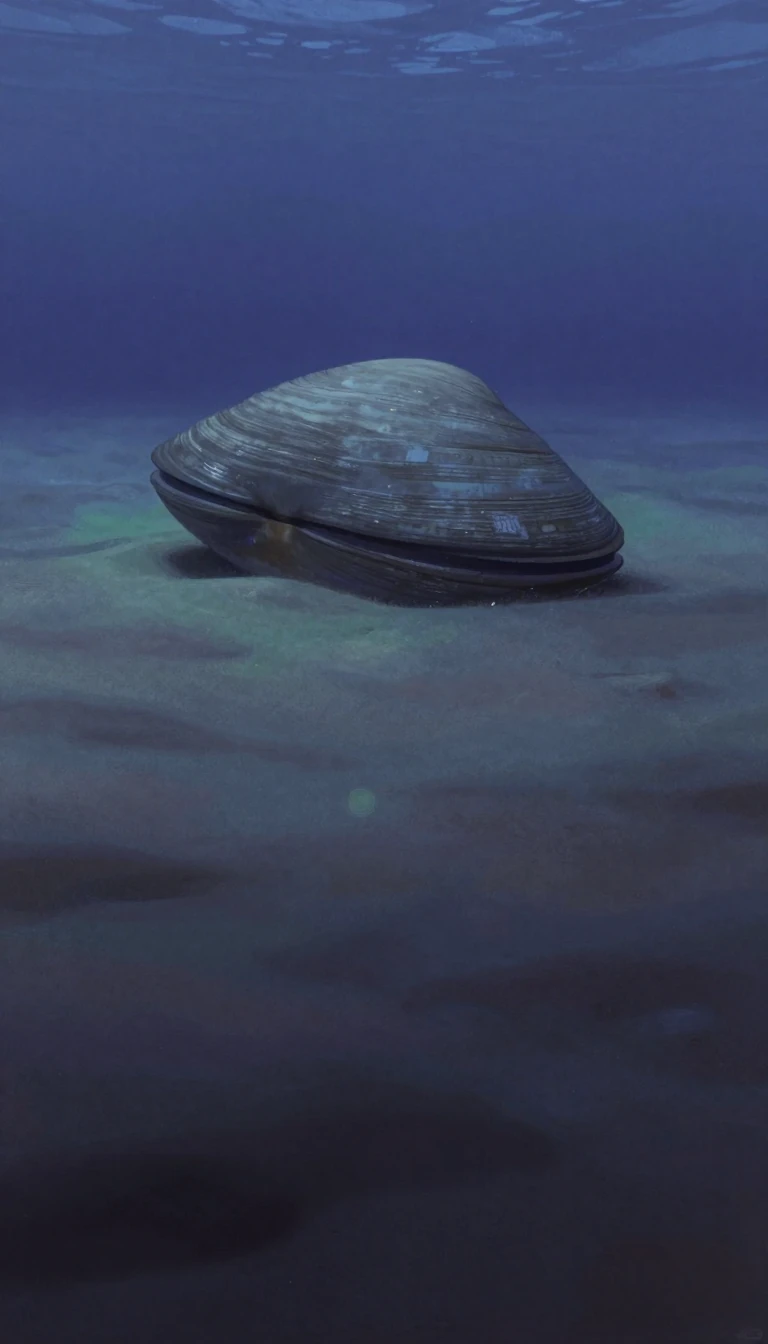
In short: Known as pen shells, the Pinnidae family of saltwater bivalves are far more than mere seafood. These triangular mollusks anchor themselves into the seafloor, producing a unique byssus that has been woven into luxurious, golden-hued garments for centuries, while their shells offer iridescent nacre and decorative utility.
The Pinnidae family, belonging to the order Pteriida, consists of large marine bivalves characterized by their elongated, triangular, and notably fragile shells. In their natural habitat, these clams secure themselves to sediment using a structure called a byssus. Near the umbos, or pointed ends of their shells, they possess a thin, highly iridescent layer of nacre that has long captured human interest.
Beyond their biological structure, these mollusks have held significant economic value for centuries. Most famously, the species Pinna nobilis produces a byssus that can be processed into a rare, golden-colored textile. Historically, this material was used to manufacture high-status apparel, including gloves, shawls, stockings, and cloaks, which were highly prized by ancient civilizations. This tradition of utilizing the holdfast for clothing highlights a unique intersection between marine biology and ancient craftsmanship.
In modern times, the economic importance of Pinnidae has shifted toward food production. They are considered a delicacy across the Indo-Pacific, Japan, Polynesia, and the west coast of Mexico, supporting both wild fisheries and aquaculture. While the adductor muscle is a primary edible component, research indicates that the total edible tissue in species like Pinna bicolor accounts for roughly 27.5% of their total wet weight. However, commercial consumption requires caution; for instance, studies on Atrina maura emphasize the necessity of monitoring for parasitic nematodes to ensure food safety.
The utility of these creatures extends to the decorative arts as well. In Polynesia, the valves of Atrina vexillum are frequently carved into ornamental objects, and larger specimens are occasionally repurposed as functional plates. Whether through the production of pearls, the creation of rare textiles, or their role as a global culinary staple, the Pinnidae remain a fascinating example of how a single taxonomic family can influence diverse human industries across different eras and geographies.
Opens the Intellect+ feed with this card first. Swipe up for the next one.
Sources
- Summary by Intellect · source: Pinnidae
To cite this card, link to https://intellectplus.co.uk/app/nature-pinnidae.
How we source, check and correct cards: Editorial standards.
General information, not professional advice. Spotted an error? Flag the card or see corrections and complaints.
Intellect Plus is a visual educational discovery platform for exploring fascinating facts and ideas. Brain Food, Not Brain Rot. What is Intellect Plus?
Related
More in Mollusks · More in Nature · Latest · A–Z · All topics
