Modern dairy cows are biological machines engineered for maximum milk output and efficiency
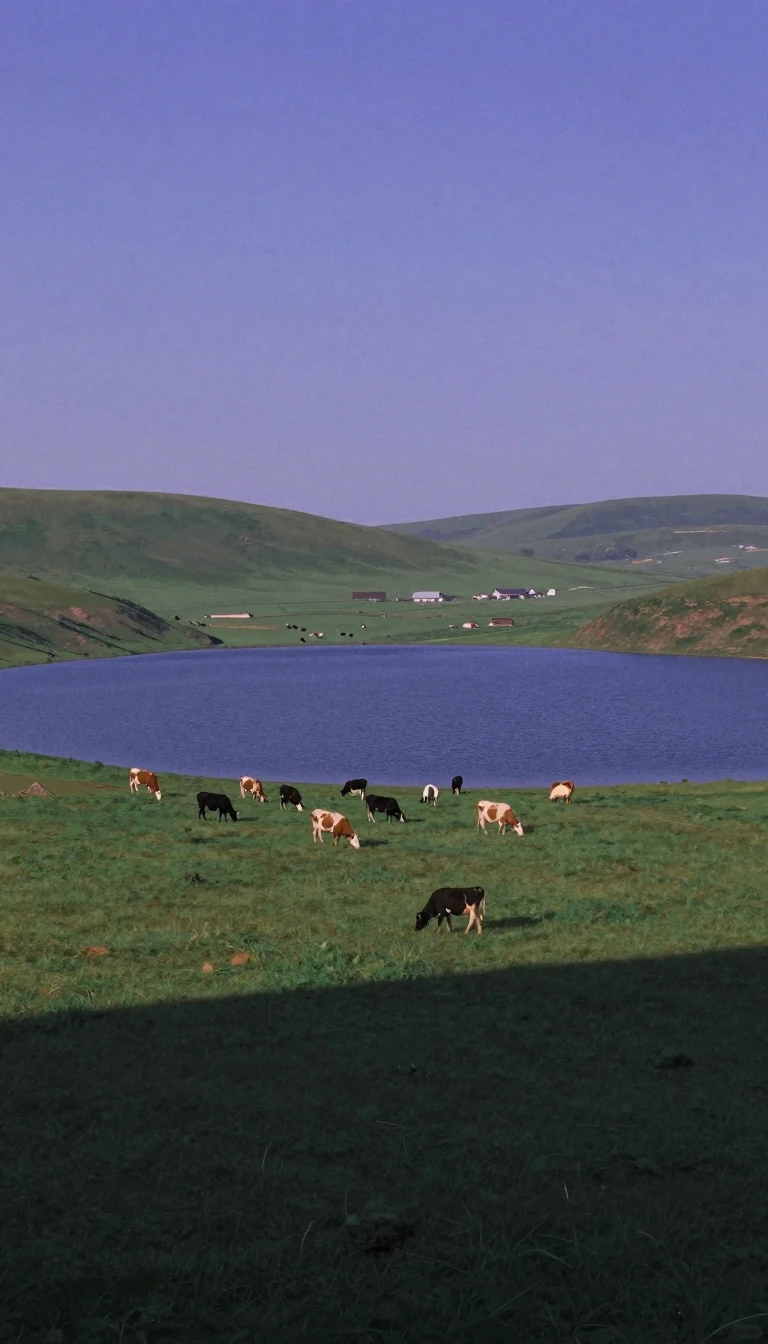
In short: The days of the multi-purpose farm cow are long gone. Today, dairy cattle are specialized athletes, bred for extreme productivity. Through artificial insemination, precise hormonal control, and optimized housing, the industry has transformed how we produce milk, turning the humble cow into a high-output component of a global supply chain.
Before the 1930s, cattle were versatile assets, serving as sources for meat, milk, and labor. The 20th century marked a pivot toward specialization, with breeds like the Holstein Friesian becoming the industry standard. This shift was driven by a desire for efficiency, leading to the widespread adoption of artificial insemination. By the 1990s, most farms had abandoned keeping bulls, which were dangerous and inefficient, in favor of semen from elite sires. This transition allowed a single bull to service far more cows, creating massive economies of scale.
Modern dairy production is a feat of biological management. Cows are kept in intensive systems designed to maximize milk yield, with production peaking 40 to 60 days after calving. Because high-producing cows are more difficult to breed, many farms now manage their herds on 24- or 36-month cycles rather than the traditional annual schedule. To maintain this output, farmers monitor everything from light exposure—16 hours of light for lactating cows—to the comfort of their bedding. Even the timing of feeding is strategic; delivering fresh feed after milking encourages cows to stand, which helps prevent mastitis by allowing udder sphincters to close.
The industry is currently undergoing another technological shift with the rise of sex-selected semen. By filtering spermatozoa, farmers can now ensure that approximately 90% of calves are female, streamlining the replacement of the herd. Despite these advancements, the life of a dairy cow remains short. While domestic cattle can live over 20 years, the average Holstein in the United States is typically removed from the herd after fewer than three lactation cycles. Cows are culled for various reasons, including infertility, lameness, or mastitis, as farmers prioritize profitability over longevity. When a cow can no longer meet production targets, she is sent to market, often for processed beef, completing a cycle that balances biological potential with industrial demand.
Opens the Intellect+ feed with this card first. Swipe up for the next one.
Sources
- Summary by Intellect · source: Dairy cattle
To cite this card, link to https://intellectplus.co.uk/app/food-dairy-cattle.
How we source, check and correct cards: Editorial standards.
General information, not professional advice. Spotted an error? Flag the card or see corrections and complaints.
Intellect Plus is a visual educational discovery platform for exploring fascinating facts and ideas. Brain Food, Not Brain Rot. What is Intellect Plus?
Related
More in UK & Ireland: food · More in Food & Drink · Latest · A–Z · All topics
