Why the smallest dairy cow produces the world's richest milk
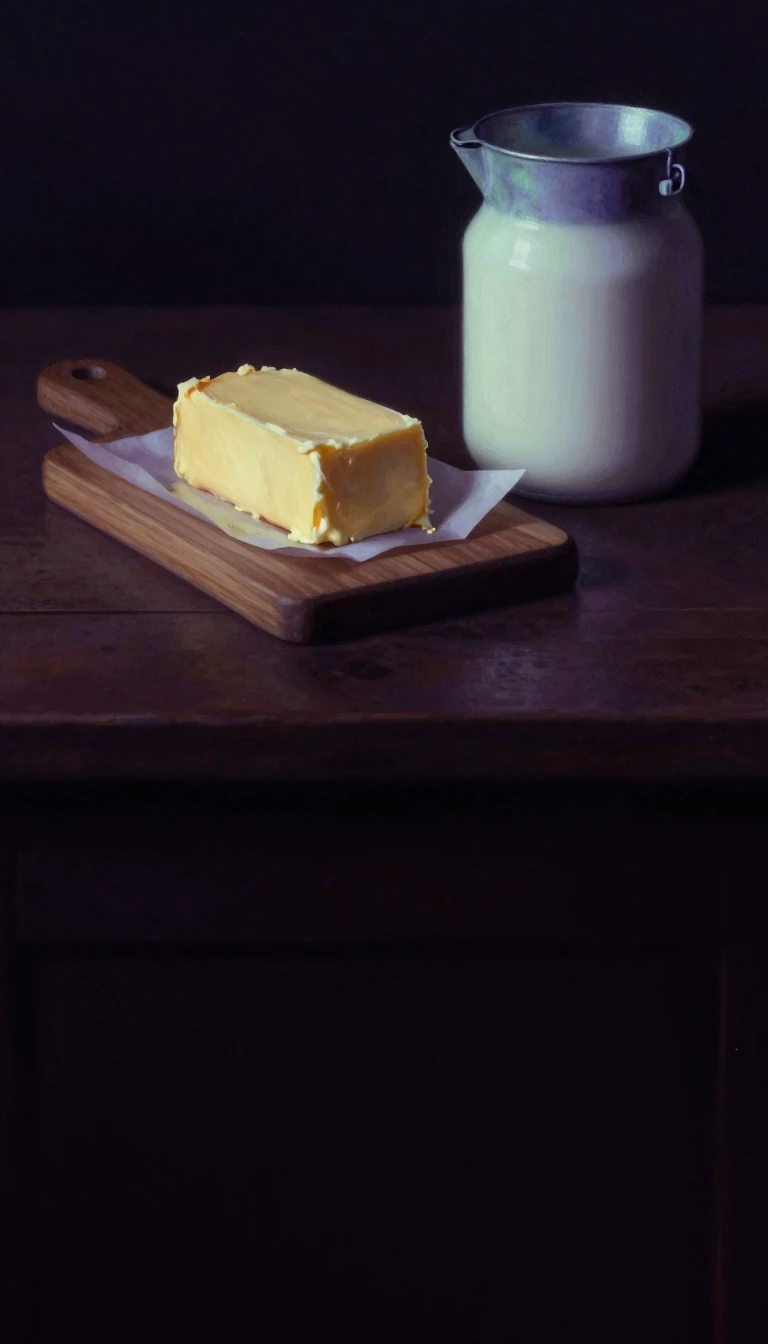
In short: The Jersey cow is a masterclass in efficiency. Despite being the smallest of the major dairy breeds, these fawn-colored animals produce milk with the highest butterfat and protein content. Their unique biology allows them to thrive on local feed, making them a global favorite for sustainable, high-quality dairy production.
Originating on the British Channel Island of Jersey, this breed was historically isolated for over two centuries. A legal ban on cattle imports, enacted in 1789 to protect the breed's purity and stabilize export prices, remained in effect until 2008. This isolation allowed for a controlled breeding program that prioritized the honey-brown cows that were most popular in international markets. Today, the breed is recognized for its compact size, with cows typically weighing between 350 and 400 kilograms.
The Jersey's economic advantage lies in its efficiency. Because they are smaller than breeds like the Holstein-Friesian, farmers can maintain a higher number of cows per unit of land. They possess superior grazing ability and lower maintenance requirements, which translates to lower production costs. Furthermore, their reputation for calving ease makes them a preferred choice for crossbreeding programs aimed at reducing birth-related injuries in dairy and beef herds.
Beyond their physical traits, the quality of their output is unmatched. Jersey milk averages 5.2 percent butterfat, significantly higher than the 3.7 percent found in Holsteins. They also lead in protein content at 3.92 percent. While they are generally docile, they do require attentive management; their smaller body size results in a higher surface area-to-mass ratio, making their calves more susceptible to cold weather. Additionally, the breed shows a higher tendency toward postparturient hypocalcaemia, or milk fever, requiring careful nutritional oversight.
The global reach of the Jersey is a testament to its adaptability. Since their initial export to the United States around 1850, they have been integrated into diverse climates worldwide. Whether in the lush pastures of New Zealand or the varied environments of the United States and France, the Jersey remains a cornerstone of modern dairying, balancing high-value milk production with a remarkably efficient, low-impact physical profile.
Opens the Intellect+ feed with this card first. Swipe up for the next one.
Sources
- Summary by Intellect · source: Jersey | Milk Production, Dairy Farming & Livestock | Britannica
- Also: Jersey cattle
To cite this card, link to https://intellectplus.co.uk/app/nature-jersey-cattle.
How we source, check and correct cards: Editorial standards.
General information, not professional advice. Spotted an error? Flag the card or see corrections and complaints.
Intellect Plus is a visual educational discovery platform for exploring fascinating facts and ideas. Brain Food, Not Brain Rot. What is Intellect Plus?
Related
More in Animal breeds and hybrids · More in Nature · Latest · A–Z · All topics
