The nostalgic jumble of Korea's humble, shaken lunchbox
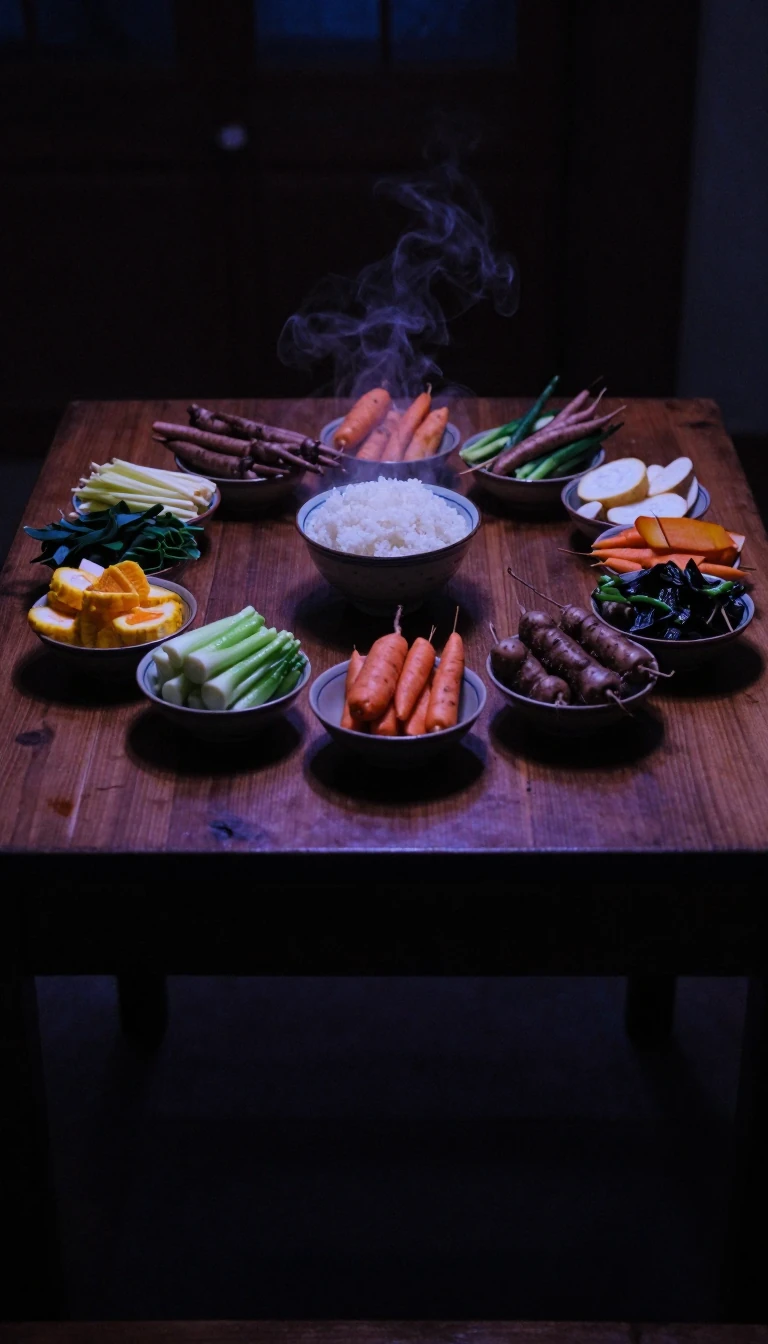
In short: Before the era of perfectly partitioned bento boxes and Michelin-starred meals, Korean lunch was a chaotic, portable affair. From scrap metal tins to radiator-warmed rice, the history of dosirak reveals how a simple meal evolved from a necessity of poverty into a deliberate act of culinary nostalgia.
The origins of dosirak trace back to 18th-century records using terms like doseok and bapgori. While packing food is a universal practice, the Korean form developed distinct identities based on social class. During the Joseon era, while nobility enjoyed formal chanhap, peasants and soldiers relied on simple woven bamboo or wood tumak boxes for meals taken outside the home. This transition toward portability set the stage for the modern lunchbox as an industrial staple.
The contemporary dosirak was significantly shaped during the Japanese occupation (1910-1945), a period when Korean cuisine integrated Western and Japanese influences, including bento and norimaki sushi. However, it was the post-Korean War era that defined the 'humble' dosirak. Due to severe raw material shortages, families used cheap tin boxes made from scrap metal. These lacked dividers, meaning rice and side dishes would inevitably mix as children carried them to school—a process often aided by placing the boxes on radiators during winter to maintain warmth.
As Korea’s economy boomed, dosirak briefly fell out of favor, viewed as a symbol of poverty compared to dining out. When it returned to the mainstream, it initially appeared in high-end, divided Japanese-style containers. Recently, however, there has been a cultural shift toward 'yennal-dosirak' (old-style dosirak). This nostalgic comfort food intentionally mimics the jumbled flavors of the past by using tinplate or German silver boxes and shaking them before eating to mix stir-fried kimchi, sausages, eggs, and seaweed.
Today, the dish serves as a culinary contrast to sterile modern dining. While home-made versions often use tiered thermo-steel containers to keep soup warm and ingredients separate, the 'shaken' dosirak remains a deliberate tribute to a shared history of scarcity and innocence.
Opens the Intellect+ feed with this card first. Swipe up for the next one.
Sources
- Summary by Intellect · source: Dosirak
To cite this card, link to https://intellectplus.co.uk/app/food-dosirak.
How we source, check and correct cards: Editorial standards.
General information, not professional advice. Spotted an error? Flag the card or see corrections and complaints.
Intellect Plus is a visual educational discovery platform for exploring fascinating facts and ideas. Brain Food, Not Brain Rot. What is Intellect Plus?
Related
More in Korean cuisine · More in Food & Drink · Latest · A–Z · All topics
