From Royal Court Delicacy to Global Street Food: The Evolution of Tteokbokki
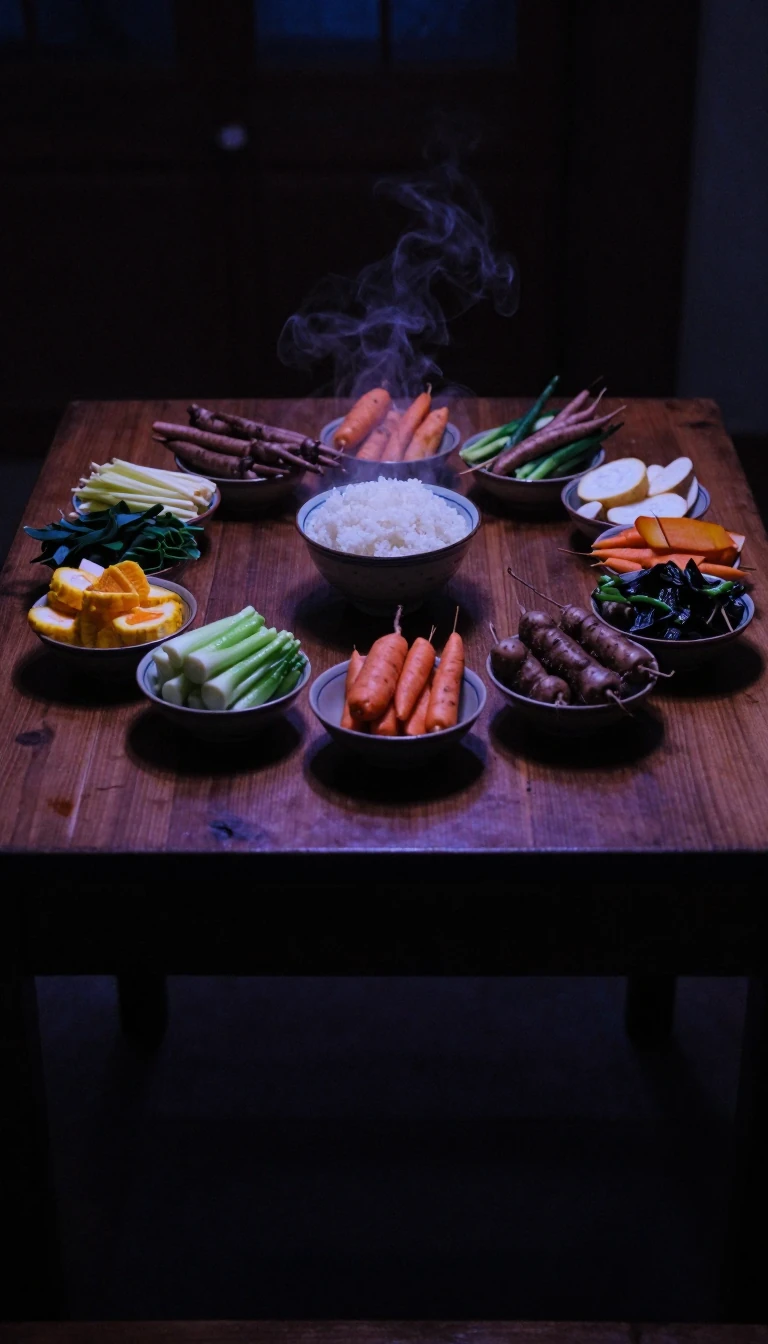
In short: Tteokbokki is a quintessential Korean comfort food, but its origins are far from the spicy street stalls we recognize today. Once a sophisticated, soy-based dish served to royalty, this versatile rice cake staple has transformed over centuries into a global phenomenon, adapting to every palate from cream to curry.
The earliest iteration of tteokbokki, documented in the 19th-century cookbook Siuijeonseo, was a savory, non-spicy dish known as gungjung-tteokbokki. Served in the royal court, this version relied on high-quality soy sauce, sirloin, pine nuts, and sesame oil. It was a refined banchan, or side dish, far removed from the fiery, gochujang-drenched snacks that dominate modern street food culture. The transition to the spicy red variant we know today is often attributed to a 1953 accident, where a restaurateur named Ma Bok-rim reportedly dropped rice cakes into a jajangmyeon sauce, sparking the idea to season them with chili paste.
Economic shifts in South Korea played a pivotal role in the dish's democratization. During the 1950s, the influx of imported wheat flour led to the creation of inexpensive, flour-based rice cakes, making the snack accessible to the masses. By the 1970s, the spicy version had cemented its status as a popular, budget-friendly street food. Today, the dish is incredibly malleable; variations range from the soup-heavy gungmul-tteokbokki to the oil-stir-fried gireum-tteokbokki, and even fusion styles incorporating cheese, carbonara-inspired cream sauces, or Chinese mala spices.
The dish's cultural footprint has expanded well beyond the Korean peninsula. It has become a symbol of South Korean identity, so much so that in 2024, North Korean authorities banned its sale in restaurants due to its South Korean origins. Meanwhile, global awareness has surged, bolstered by pop culture, including the 2022 English translation of a best-selling memoir by Baek Se-hee that features the dish in its title. Whether enjoyed at a traditional pojangmacha street stall or as a specialized meal in a jeukseok-tteokbokki restaurant, this humble rice cake remains a central pillar of Korean culinary life.
Opens the Intellect+ feed with this card first. Swipe up for the next one.
Sources
- Summary by Intellect · source: Tteokbokki
- Also: Wikidata — tteokbokki · CC0
To cite this card, link to https://intellectplus.co.uk/app/places-tteokbokki.
How we source, check and correct cards: Editorial standards.
General information, not professional advice. Spotted an error? Flag the card or see corrections and complaints.
Intellect Plus is a visual educational discovery platform for exploring fascinating facts and ideas. Brain Food, Not Brain Rot. What is Intellect Plus?
Related
More in Countries and other regions · More in Countries & Cities · Latest · A–Z · All topics
