The Three Sisters and other ancient agricultural secrets of the Americas
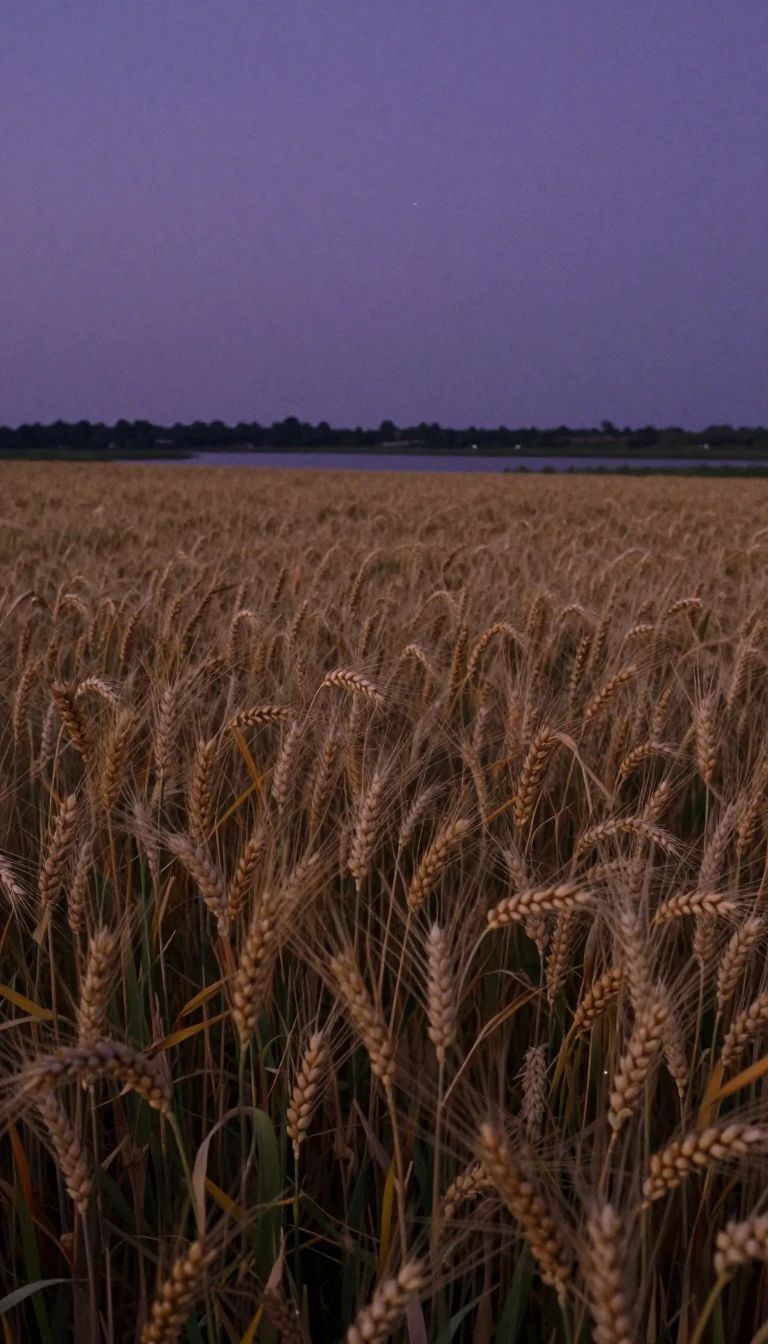
In short: Indigenous cuisine across the Americas is not a monolith, but a vast, regional tapestry of wild and domesticated ingredients. From the symbiotic Three Sisters planting method of the Eastern Woodlands to the bison-based survival diets of the Great Plains, these ancient foodways continue to shape modern culinary landscapes today.
Indigenous food practices are defined by deep regional diversity, shaped by the vast range of biomes across the Americas. In the Eastern Woodlands, agriculture was anchored by the Three Sisters—corn, beans, and squash—which were planted together for mutual support. The beans climbed the corn stalks, while the squash provided ground cover to protect root systems. This agricultural sophistication extended to the processing of staples, such as the nixtamalization of corn with alkaline salts to create hominy, a technique that remains foundational to Southern cuisine.
In contrast, the Great Plains and Canadian Prairies relied heavily on the American bison. This diet was remarkably efficient, utilizing nearly every part of the animal. Meat was often dried to create long-lasting provisions or combined with fat and berries to form pemmican, a nutrient-dense staple. Because these animals were grazers, the meat was naturally high in omega-3 fatty acids. In the Pacific Northwest and California, the economy shifted toward hunter-gatherer traditions, where seasonal abundance dictated food storage. In California, acorns were so vital that they served as the primary food source for roughly 75 percent of the population, requiring communal labor to harvest and process using mortars and pestles.
Today, the legacy of these practices is both celebrated and contested. While many Indigenous foods like cranberries, turkey, and maple syrup have been fully integrated into broader North American diets, others remain tied to specific cultural identities. In Northern Canada, 'country food'—hunted and gathered items like seal, caribou, and wild berries—remains a critical source of nutrition, especially in remote communities where imported Western food is prohibitively expensive. However, this reliance faces modern challenges, including the spread of industrial chemical contaminants through the food web and strict government regulations that often restrict the sale of wild game in urban restaurants, highlighting a persistent divide between traditional foodways and modern administrative systems.
Opens the Intellect+ feed with this card first. Swipe up for the next one.
Sources
- Summary by Intellect · source: Indigenous cuisine of the Americas
To cite this card, link to https://intellectplus.co.uk/app/food-indigenous-cuisine-of-the-americas.
How we source, check and correct cards: Editorial standards.
General information, not professional advice. Spotted an error? Flag the card or see corrections and complaints.
Intellect Plus is a visual educational discovery platform for exploring fascinating facts and ideas. Brain Food, Not Brain Rot. What is Intellect Plus?
Related
More in Cooking, food and drink · More in Food & Drink · Latest · A–Z · All topics
