Beyond the Kebab: The Ancient Art and Sophisticated Flavors of Iranian Cuisine
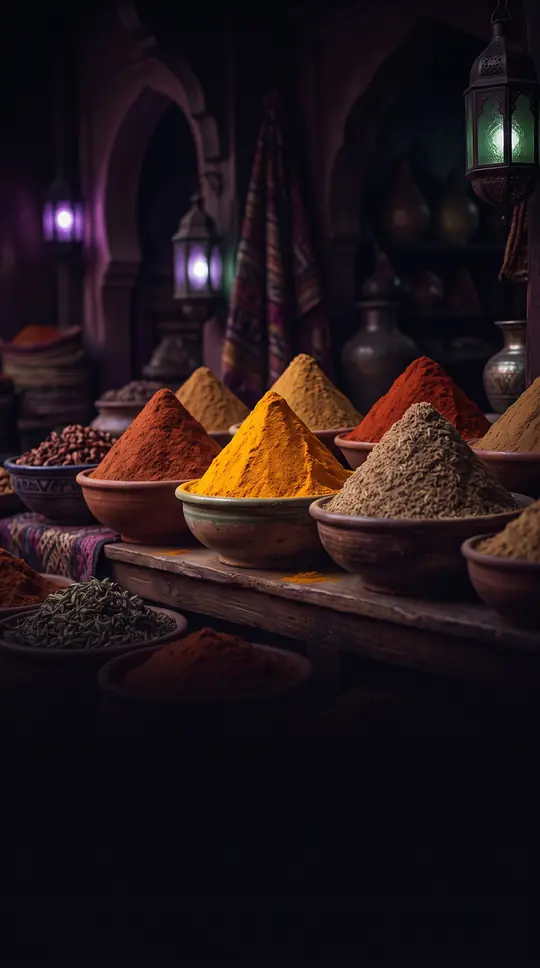
In short: Iranian cuisine is a complex tapestry of rice, herbs, fruits, and nuts, shaped by centuries of royal patronage and traditional medicine. From the cooling desserts of the Sassanid era to the refined stews of the Safavid court, this culinary tradition offers a sophisticated balance of sweet, sour, and savory notes.
The culinary traditions of Iran, often referred to as Persian cuisine, reflect the contributions of a multitude of ethnic groups rather than a single identity. Central to this tradition is the artful combination of rice with meat, vegetables, and nuts. Herbs like parsley, fenugreek, and mint are staples, while the abundant use of fruits—such as pomegranates, barberries, and quince—adds a signature depth. These flavors are often balanced by sour agents like verjuice, a highly acidic liquid pressed from unripe grapes, which is a hallmark of Iranian stews and soups.
The historical development of this cuisine is well-documented in early texts. The Sassanid-era treatise of Khosrow and Ridag provides early glimpses into food culture, while the Safavid period produced the first surviving classical cookbooks. The 1521 'Manual on cooking and its craft' reveals that aristocratic households favored luxury ingredients like saffron, mirroring the lavish standards of the royal court. By the 16th century, rice evolved from a regional specialty into a national staple, eventually cementing 'chelow kabab'—white rice served with kebab—as the country's national dish.
Beyond the plate, Iranian food is deeply intertwined with cultural and medicinal practices. Ancient philosophers influenced preparation methods to align with traditional medicine, focusing on the strengthening or weakening characteristics of ingredients. This philosophy extends to beverages and social rituals; tea is a ubiquitous cultural cornerstone, while coffeehouses historically served as centers for poetry and social gathering. Even the prohibition of alcohol following the 1979 Revolution did not erase the cultural presence of traditional spirits like 'araq sagi', which persists in underground markets.
Today, the cuisine remains vibrant, with regional variations like those of the Iranian Azerbaijani people, who favor unique applications of lemon juice and butter. Whether through the elaborate preparation of fruit-stuffed dolma or the enduring popularity of saffron-infused ice cream, Iranian cooking continues to balance ancient techniques with a sophisticated, flavor-forward approach that has influenced culinary traditions from the Caucasus to the Indian subcontinent.
Opens the Intellect+ feed with this card first. Swipe up for the next one.
Sources
- Summary by Intellect · source: Iranian cuisine
To cite this card, link to https://intellectplus.co.uk/app/food-iranian-cuisine.
How we source, check and correct cards: Editorial standards.
General information, not professional advice. Spotted an error? Flag the card or see corrections and complaints.
Intellect Plus is a visual educational discovery platform for exploring fascinating facts and ideas. Brain Food, Not Brain Rot. What is Intellect Plus?
Related
More in Cooking, food and drink · More in Food & Drink · Latest · A–Z · All topics
