Why the world's most popular convenience food is a marvel of engineering
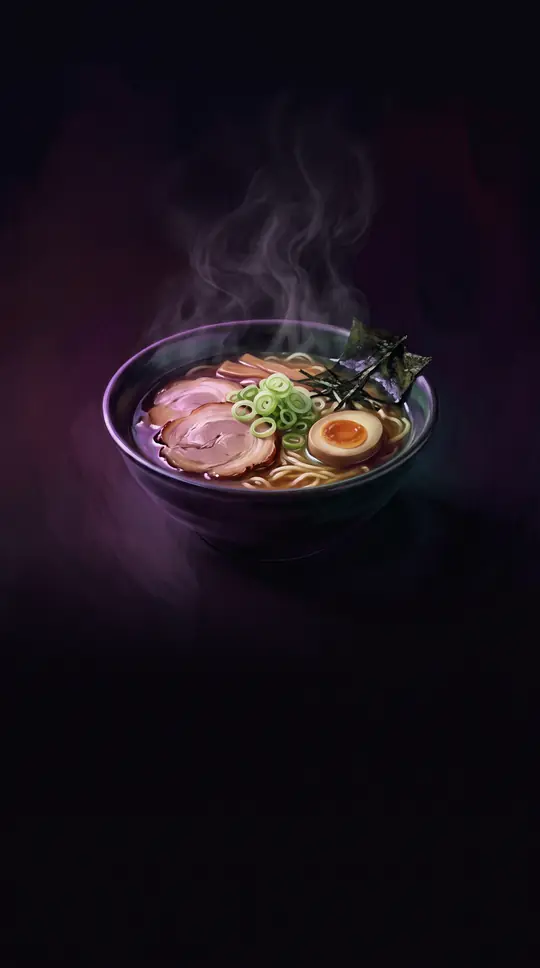
In short: Instant noodles are more than just a quick meal. Invented in 1958, they rely on complex food science—from wavy-shape mechanics to porous sponge structures—to achieve perfect texture in minutes. While they have become a global staple, their rise has also sparked intense debates about nutrition and food safety.
The modern instant noodle was pioneered by Momofuku Ando of Nissin Foods, who launched Chikin Ramen on 25 August 1958. Ando developed a comprehensive production method involving steaming, seasoning, and flash-frying. This process dehydrates the noodles, creating a porous sponge structure that allows for rapid rehydration in boiling water. Before this, Yoshio Murata had invented a mechanical process in 1953 to curve noodles into a wavy shape, which improved packing efficiency, prevented sticking, and ensured even cooking.
The science behind the noodle's signature texture involves precise ingredient ratios. Flour with 8.5–12.5% protein is optimal for forming a viscoelastic gluten structure. Manufacturers often add kansui—an alkaline solution of sodium and potassium carbonates—to enhance the yellow color and promote starch gelatinization, which contributes to the characteristic chewiness. Potato starches and hydrocolloids like guar gum are also used to improve water-binding capacity and shorten cooking times, while salt strengthens the gluten network.
Despite their convenience, instant noodles are often criticized for their nutritional profile, which is typically high in carbohydrates, sodium, and fat but low in essential nutrients. Research has linked frequent consumption to cardiometabolic risks. For instance, a study of 3,397 college students in South Korea found positive associations between noodle intake and markers like diastolic blood pressure and plasma triglyceride levels. Another study of 10,711 adults by Harvard researchers suggested a higher risk of metabolic syndrome in women who consumed them more than twice weekly.
Global consumption remains massive, with approximately 103 billion servings eaten annually as of 2018. South Korea leads in per-capita consumption, with 74.6 servings per person. While the product has faced regulatory challenges—such as a 2015 ban on Maggi noodles in India due to lead concerns, which was later struck down by the Bombay High Court—the industry continues to evolve, with many manufacturers now introducing low-sodium, low-calorie, and fiber-enriched recipes to address modern health consciousness.
Opens the Intellect+ feed with this card first. Swipe up for the next one.
Sources
- Summary by Intellect · source: Instant noodles
To cite this card, link to https://intellectplus.co.uk/app/food-instant-noodles.
How we source, check and correct cards: Editorial standards.
General information, not professional advice. Spotted an error? Flag the card or see corrections and complaints.
Intellect Plus is a visual educational discovery platform for exploring fascinating facts and ideas. Brain Food, Not Brain Rot. What is Intellect Plus?
Related
More in Cooking, food and drink · More in Food & Drink · Latest · A–Z · All topics
