Why lacto-vegetarians avoid eggs but embrace dairy in their pursuit of non-violence
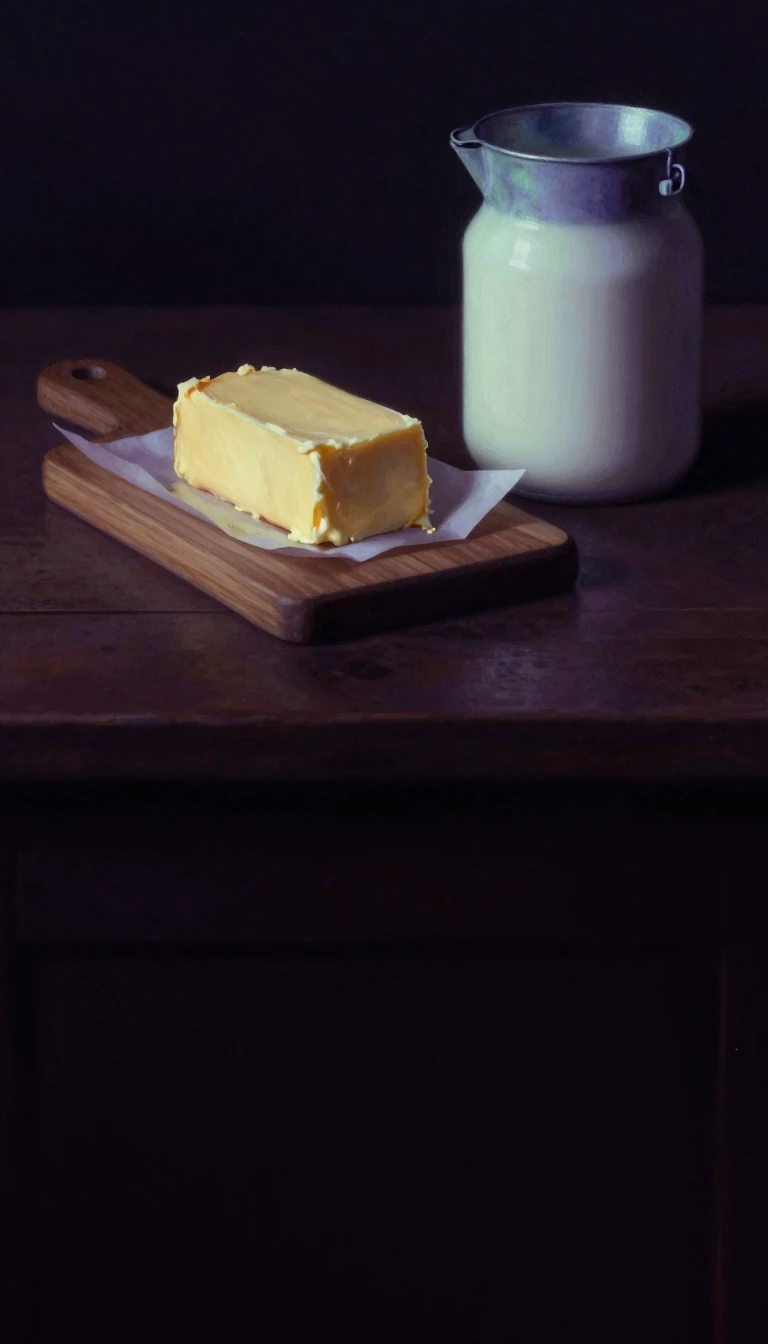
In short: Lacto-vegetarianism is a diet that excludes meat and eggs while welcoming dairy and honey. Rooted in ancient Indian traditions and the principle of ahimsa, or non-violence, this practice has evolved from a spiritual necessity to a health-focused lifestyle, even influencing government policy and the history of modern nutrition.
At its core, lacto-vegetarianism is defined by the consumption of dairy products—milk, cheese, yogurt, and ghee—while strictly abstaining from meat and eggs. In many parts of the world, particularly India, eggs are classified as meat products, distinguishing this diet from the more common ovo-lacto vegetarianism found elsewhere. The practice is deeply intertwined with Dharmic traditions like Hinduism, Jainism, and Buddhism, where the law of ahimsa dictates that humans should minimize suffering for all living beings. For followers, this is not merely a dietary choice but a path toward spiritual progress and karmic balance.
The historical reach of this diet extends far beyond religious practice. In the 18th century, Scottish physician George Cheyne promoted milk and vegetable diets to treat obesity. By the 20th century, figures like Elmer McCollum and Mikkel Hindhede championed the diet as a highly satisfactory nutritional plan. During World War I, Hindhede’s influence on Danish food rationing—shifting the population toward milk and vegetables—coincided with a 34% drop in mortality, the lowest ever recorded in Denmark. However, these ideas were complex; they were later adopted by various groups, including German life reformers and even some exponents of the National Socialist movement.
Modern adherence to the diet requires navigating specific challenges, particularly regarding cheese production. Historically, commercial cheese relied on calf rennet, a byproduct of slaughter. While ancient methods used plant-based rennets from figs or thistles, these were unsuitable for long-ripened varieties. Today, most commercial cheese in the United States uses microbial chymosin. While some vegetarians accept this, others object because the gene used to produce it originated from calves. For Jains, the standard is even stricter, excluding root vegetables to avoid killing plants and rejecting honey to prevent the destruction of bee hives, reflecting a profound commitment to non-violence.
Opens the Intellect+ feed with this card first. Swipe up for the next one.
Sources
- Summary by Intellect · source: Lacto vegetarianism
To cite this card, link to https://intellectplus.co.uk/app/food-lacto-vegetarianism.
How we source, check and correct cards: Editorial standards.
General information, not professional advice. Spotted an error? Flag the card or see corrections and complaints.
Intellect Plus is a visual educational discovery platform for exploring fascinating facts and ideas. Brain Food, Not Brain Rot. What is Intellect Plus?
Related
More in Cooking, food and drink · More in Food & Drink · Latest · A–Z · All topics
