The science of the perfect lollipop relies on preventing sugar from turning into crystals.
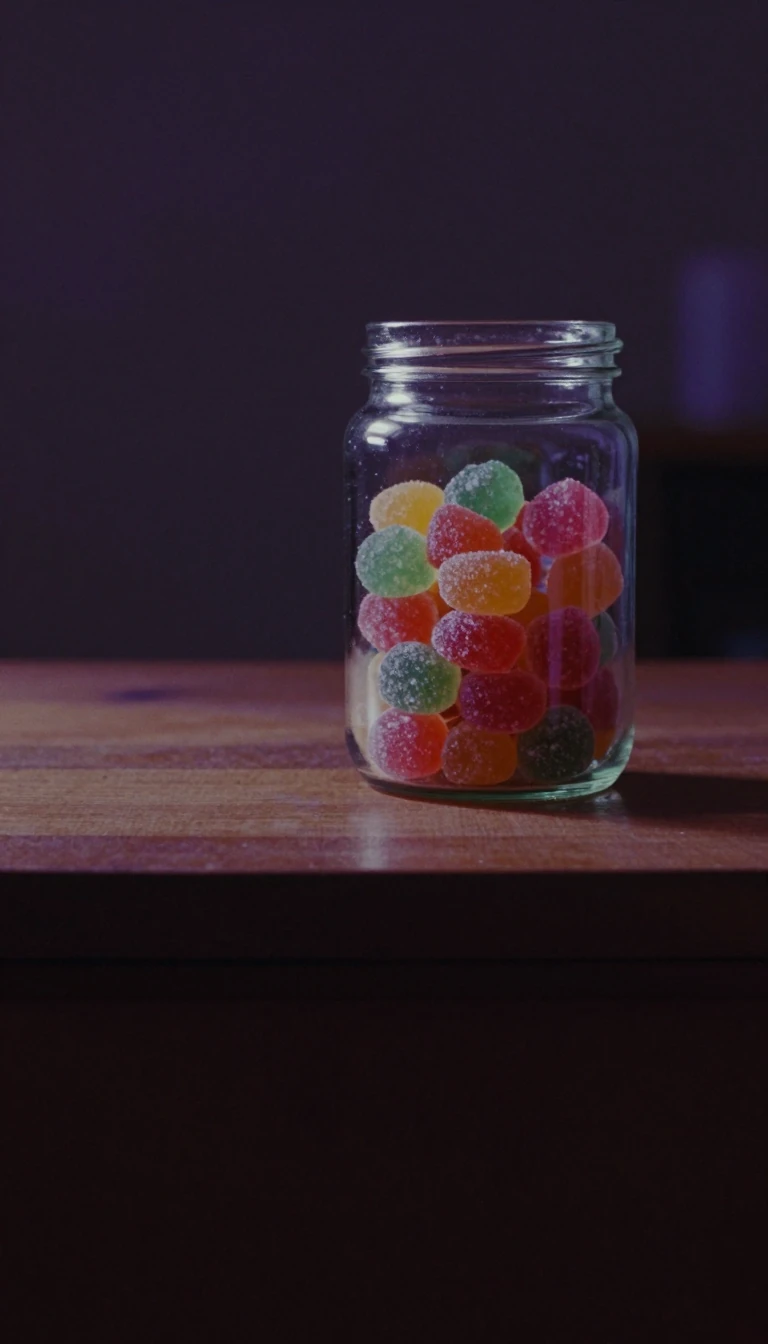
In short: A lollipop is more than just candy on a stick; it is a masterclass in chemistry. By manipulating sugar into a glassy amorphous solid, manufacturers create a stable, long-lasting treat. Discover how heat, moisture control, and clever inhibitors transform simple ingredients into the iconic confection we know today.
At its core, a lollipop is a glassy amorphous solid. Unlike crystalline candies, which maintain a moisture content of 8–12%, a lollipop is crafted by heating a sugar solution until its moisture drops to less than 2%. This specific state is achieved through a precise heating process, often reaching temperatures around 310 °F (154 °C), which increases the translational mobility of sugar molecules until they behave like liquids.
The challenge in production is preventing the sugar from reverting to its natural crystalline form as it cools. Because the solution is highly concentrated, crystallization would occur spontaneously without intervention. Manufacturers solve this by adding inhibitors—such as corn syrup, honey, cream of tartar, or butter—which disrupt the process. This creates a supersaturated, supercooled liquid that remains stable enough to hold its shape. The transition from a liquid-like state to this rigid, glassy structure is the defining physicochemical moment in the creation of a lollipop.
While the modern lollipop as we know it likely emerged in the early 20th century, the concept of eating boiled sugar from a stick dates back to the Middle Ages. The name itself remains a subject of debate; it may stem from the words 'lolly' and 'pop', or potentially from the Romani phrase 'loli phaba', meaning red apple. Today, the lollipop has evolved far beyond simple sugar, serving as a delivery mechanism for everything from bubble gum and novelty items like mealworm larvae to potent analgesics like fentanyl for cancer patients.
Opens the Intellect+ feed with this card first. Swipe up for the next one.
Sources
- Summary by Intellect · source: Lollipop
To cite this card, link to https://intellectplus.co.uk/app/food-lollipop.
How we source, check and correct cards: Editorial standards.
General information, not professional advice. Spotted an error? Flag the card or see corrections and complaints.
Intellect Plus is a visual educational discovery platform for exploring fascinating facts and ideas. Brain Food, Not Brain Rot. What is Intellect Plus?
Related
More in Cooking, food and drink · More in Food & Drink · Latest · A–Z · All topics
