The chemistry of sweets: Why some candies are 'grained' while others aren't
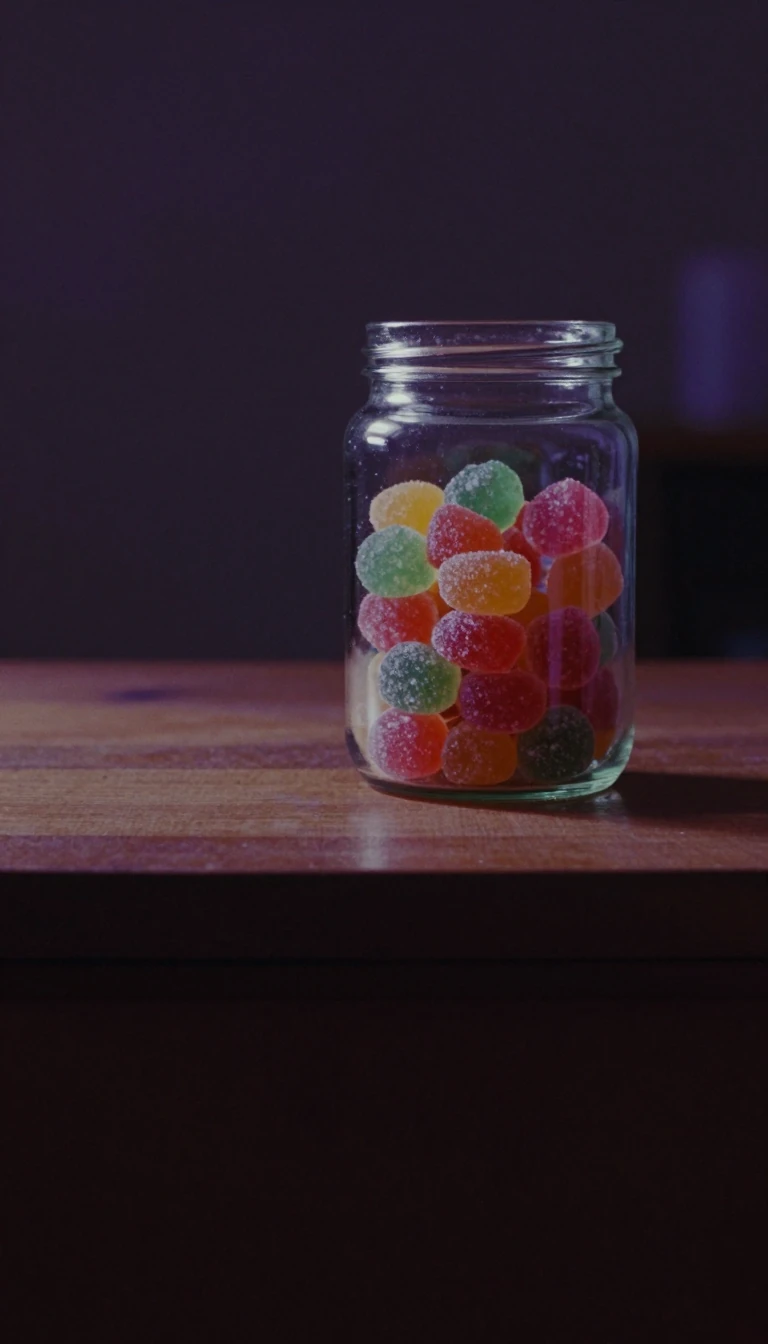
In short: Not all sugar candies are created equal. From the glassy snap of a lollipop to the grainy bite of fudge, the difference lies in microscopic architecture. Understanding these chemical phases reveals how heat, moisture, and proteins transform simple sucrose into diverse textures.
Sugar candy is chemically categorized into two primary groups: crystalline (grained) and amorphous (ungrained). Crystalline candies, such as fudge, creams, and fondant, derive their texture from a microscopically organized sugar structure formed through crystallization. These are often described as having two phases because tiny solid crystals are suspended in a thick liquid solution. In contrast, amorphous candies like lollipops or caramels have a disorganized structure with only one phase—either solid or liquid.
The distinction between these textures is governed by specific ingredients and cooking methods. For instance, milk protein plays a crucial role in creating emulsified sugar candies like caramel and toffee; it prevents the sugars from crystallizing while causing a brown color through the Maillard reaction. Conversely, fudge is essentially a crystallized caramel where crystals are intentionally formed through agitation or the addition of 'seeds' like powdered sugar.
Moisture content also dictates the structural integrity and shelf life of these sweets. Jellies and gums have the highest water content (about 20 to 25%) because they are cooked at the lowest temperatures with gelling agents like gelatin, agar-agar, or pectin. High-sugar candies like hard candies can last years in dry environments because their low moisture levels prevent microbial growth, though they remain susceptible to 'water activity'—the transfer of moisture between different parts of a candy or from the environment.
Historically, these chemical properties were leveraged for more than just flavor. During the Middle Ages, Thomas Aquinas authorized sugar candy during Lent because it was viewed as a medicinal digestive aid rather than food. This pharmaceutical heritage persists today in cough drops and panned coatings used to mask the taste of unpalatable drugs.
Opens the Intellect+ feed with this card first. Swipe up for the next one.
Sources
- Summary by Intellect · source: Sugar candy
To cite this card, link to https://intellectplus.co.uk/app/food-sugar-candy.
How we source, check and correct cards: Editorial standards.
General information, not professional advice. Spotted an error? Flag the card or see corrections and complaints.
Intellect Plus is a visual educational discovery platform for exploring fascinating facts and ideas. Brain Food, Not Brain Rot. What is Intellect Plus?
Related
More in Chocolate & sweets · More in Food & Drink · Latest · A–Z · All topics
